
Curriculum at WSP

Learning that grows with each child.
At Waldorf School of the Peninsula, curriculum is not a list of subjects.
It is a living journey—rooted in child development, guided by wonder, and infused with purpose.
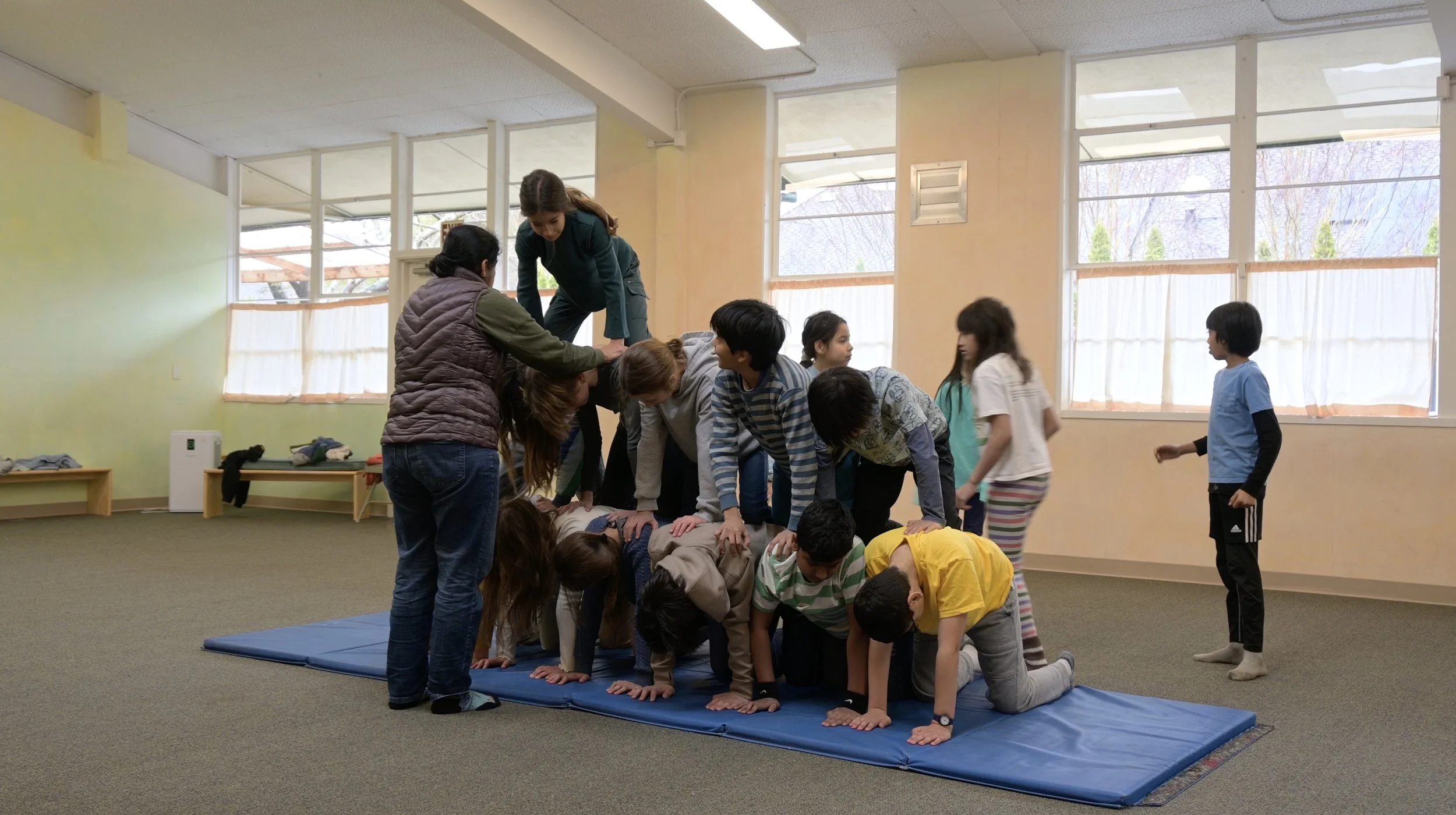
From the soft rhythms of early childhood to the rigor of high school seminars, learning unfolds in harmony with the child’s inner growth. Each stage brings its own questions, capacities, and transformations. We meet them all—head, heart, and hands.
This is not a race.
It is an education designed to unfold at the speed of human becoming.
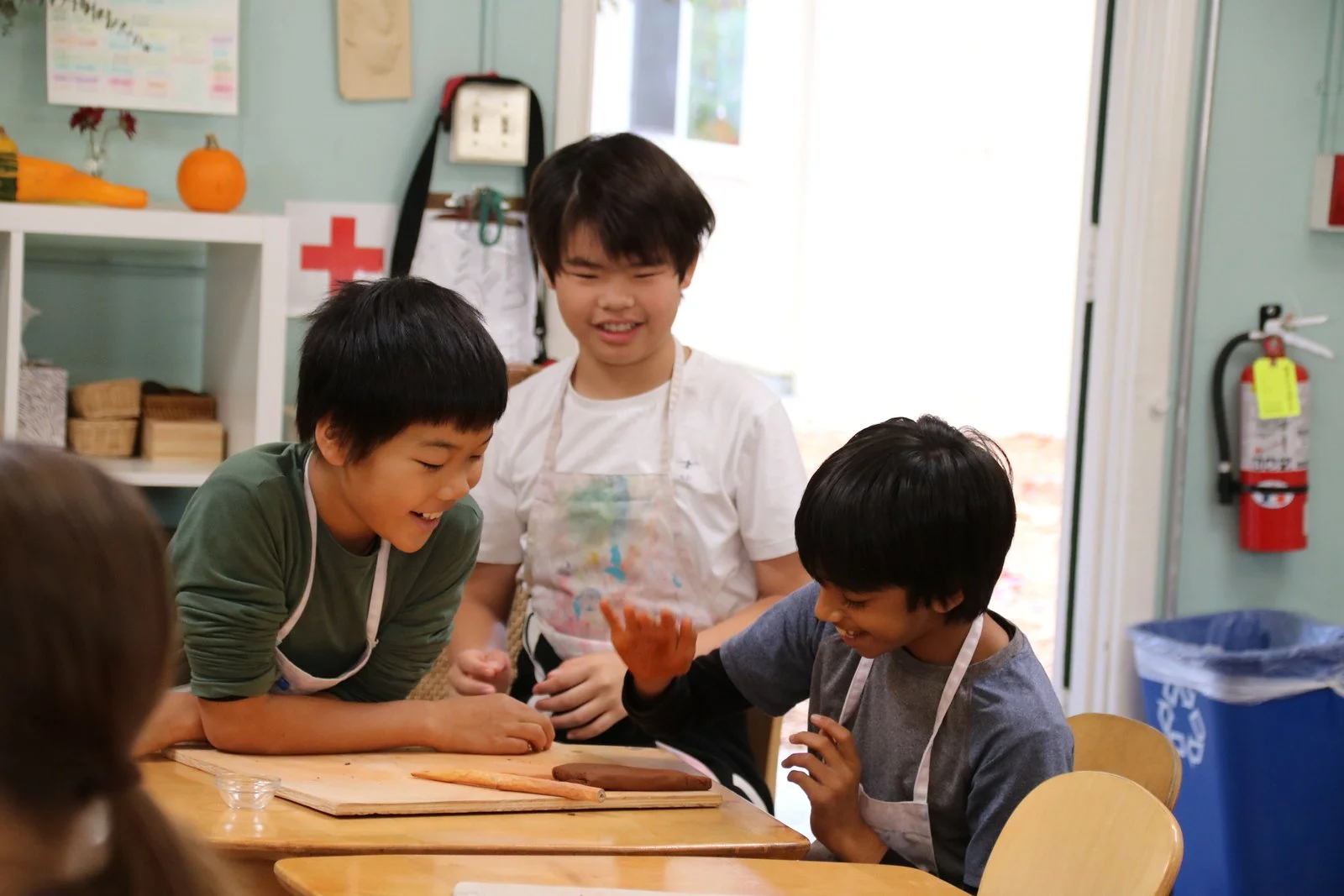
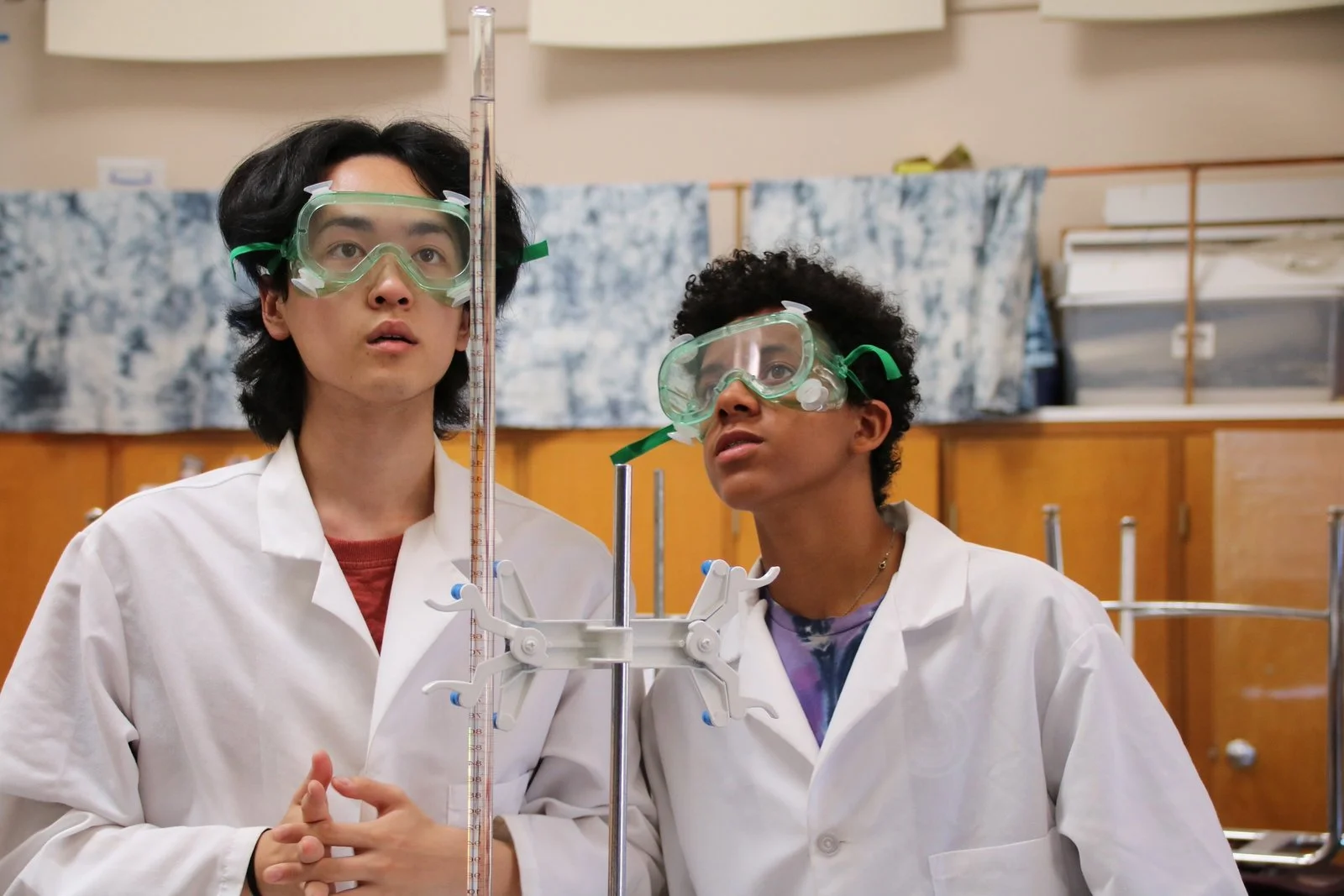
The Arc of a Waldorf Education
-
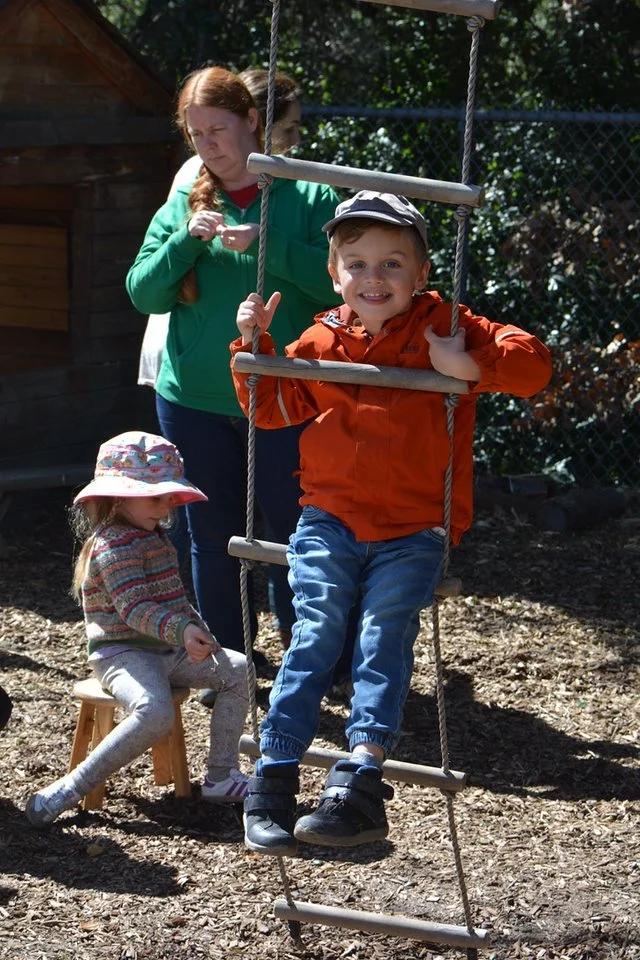
Early Childhood
(Parent-Child • Nursery • Kindergarten)
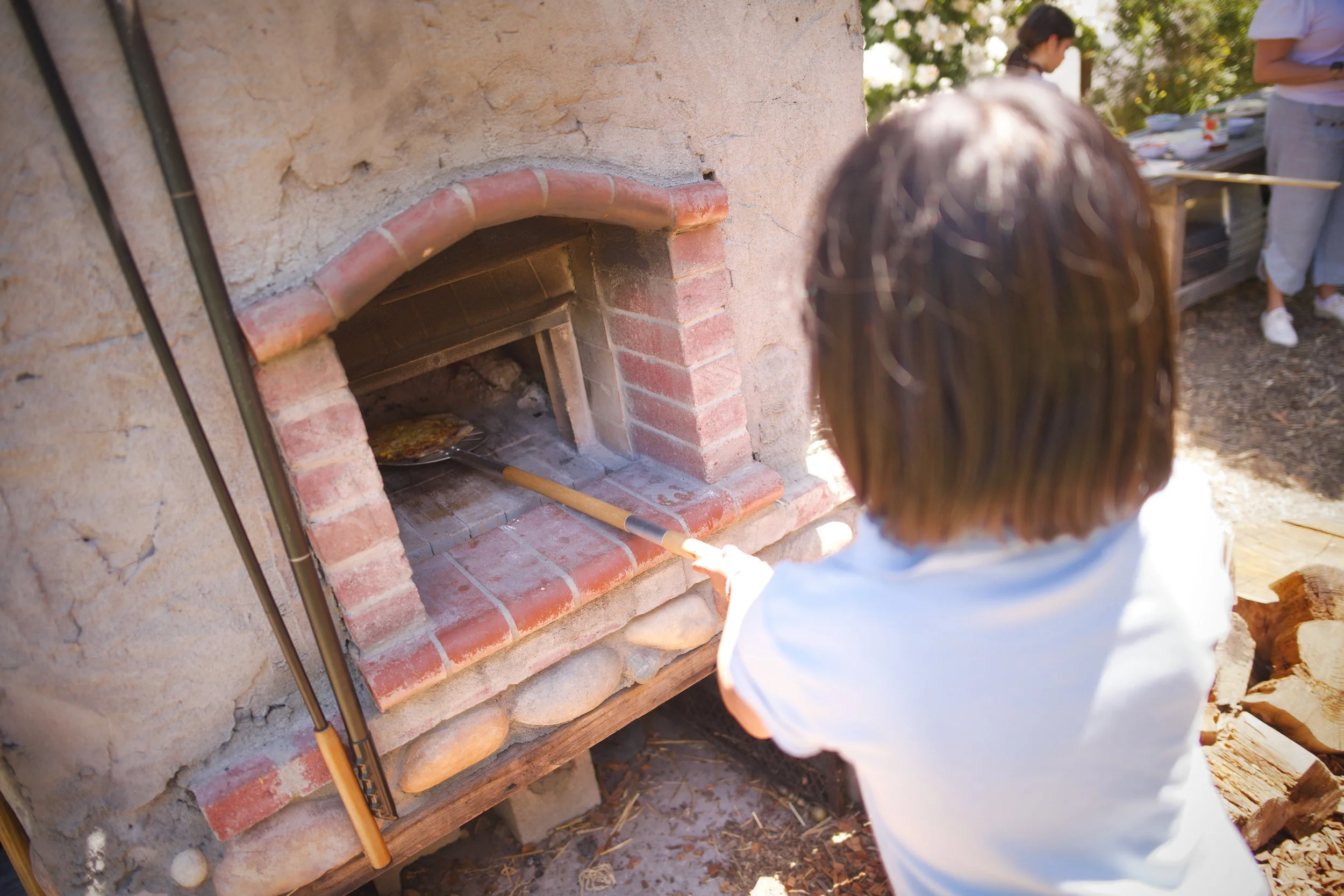
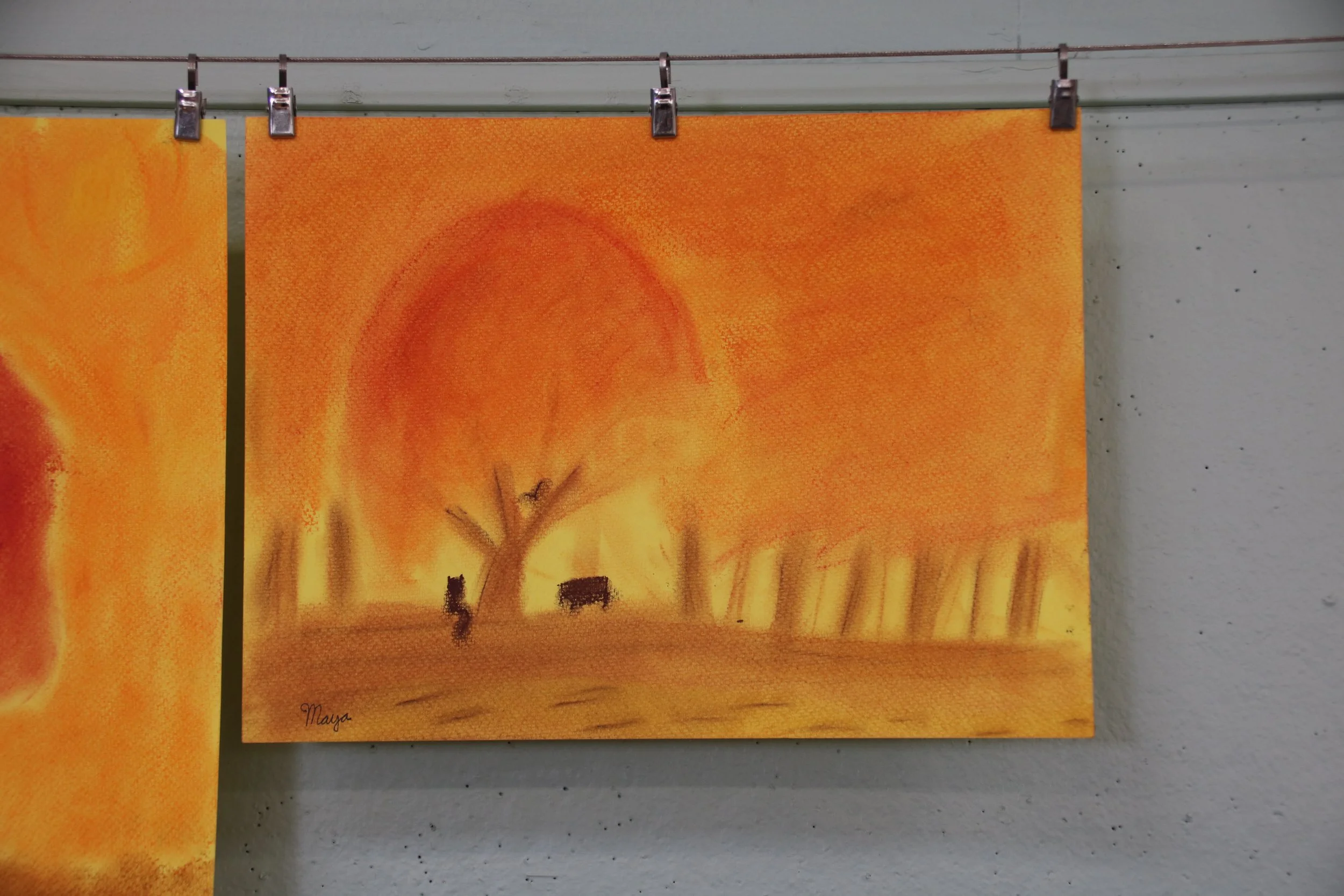
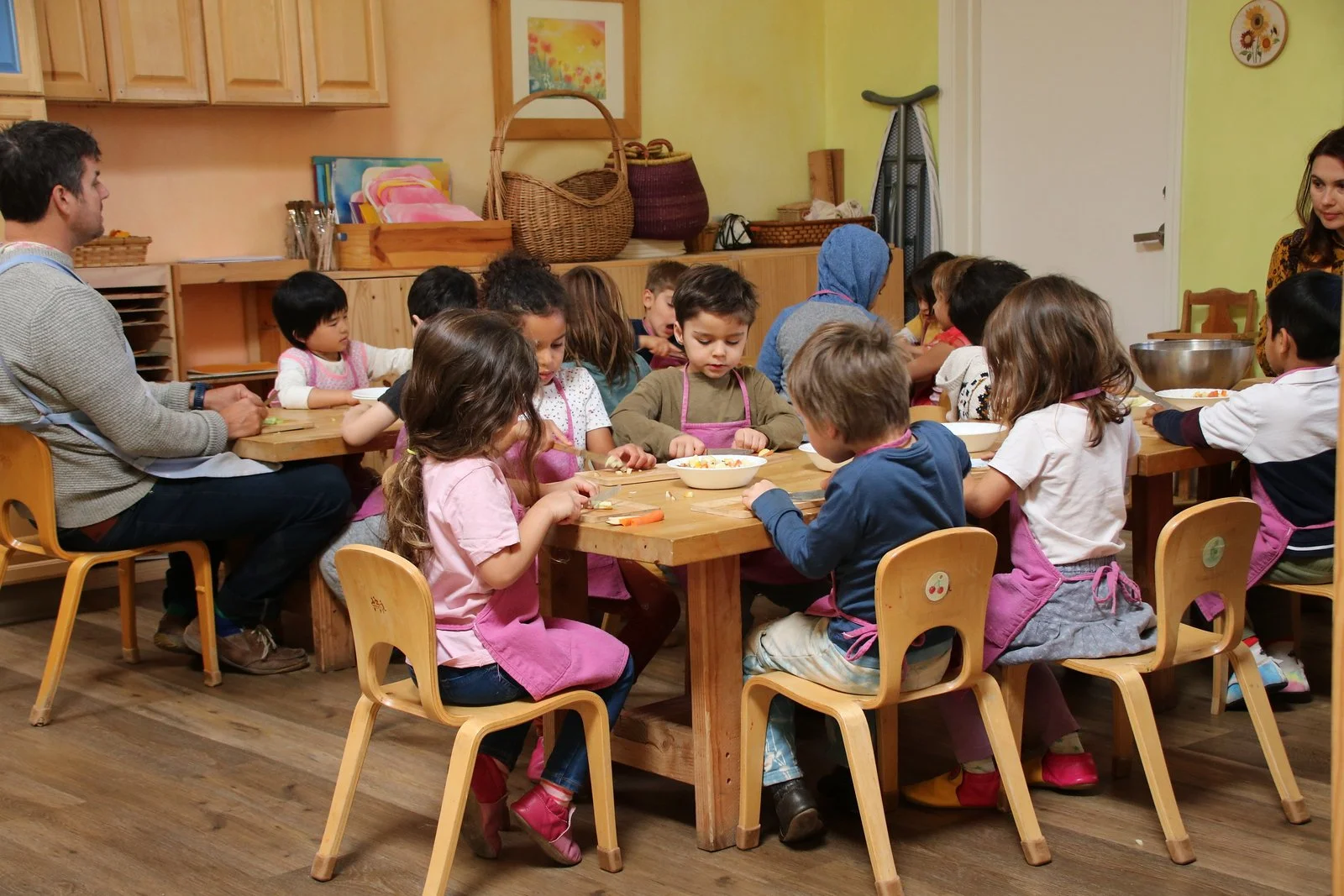
The first seven years are about rooting, not rushing. Children build the foundations for literacy, numeracy, empathy, and resilience through real work and free play: baking, painting, storytelling, singing, sweeping, and hours of movement and nature. These seemingly simple experiences form the neurological blueprint for all that follows.
We teach through rhythm, imitation, and beauty—not screens or worksheets.
We nourish imagination. We grow strong, grounded children who are ready to learn.
-
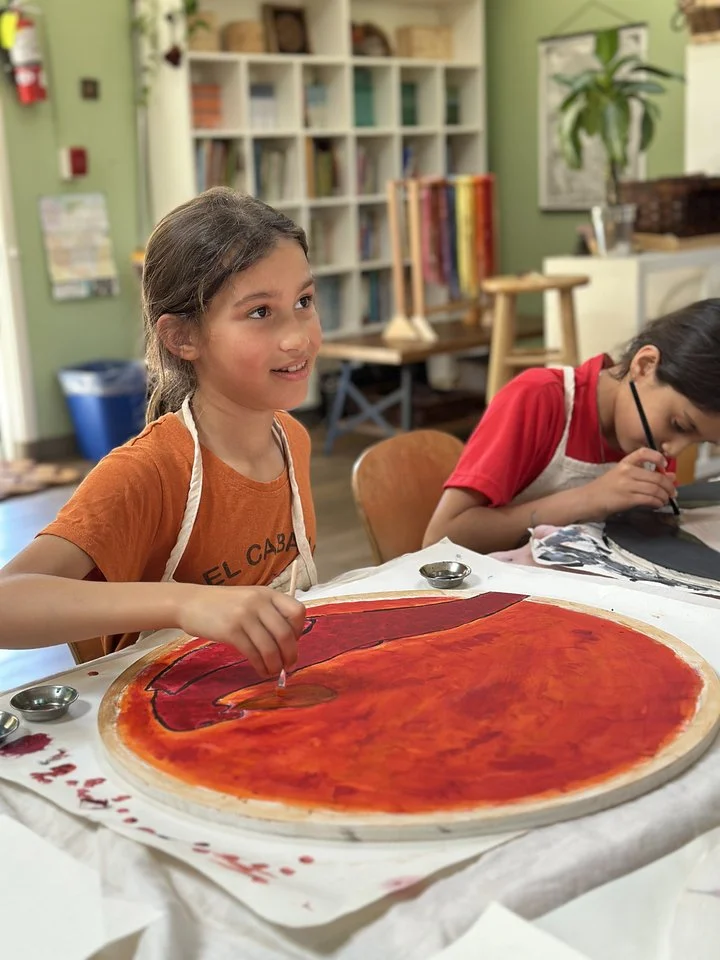
Elementary School
(Grades 1–5)
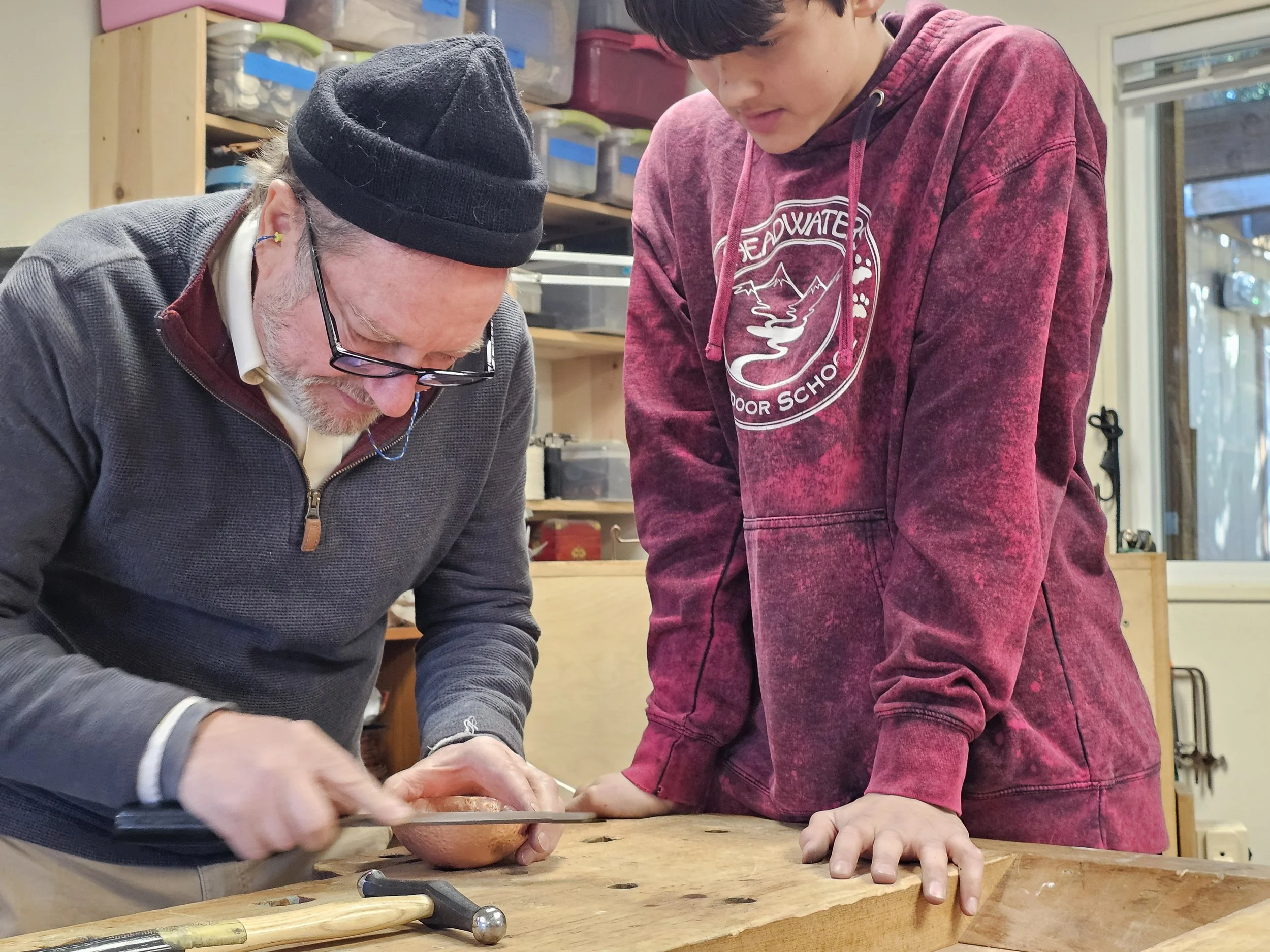
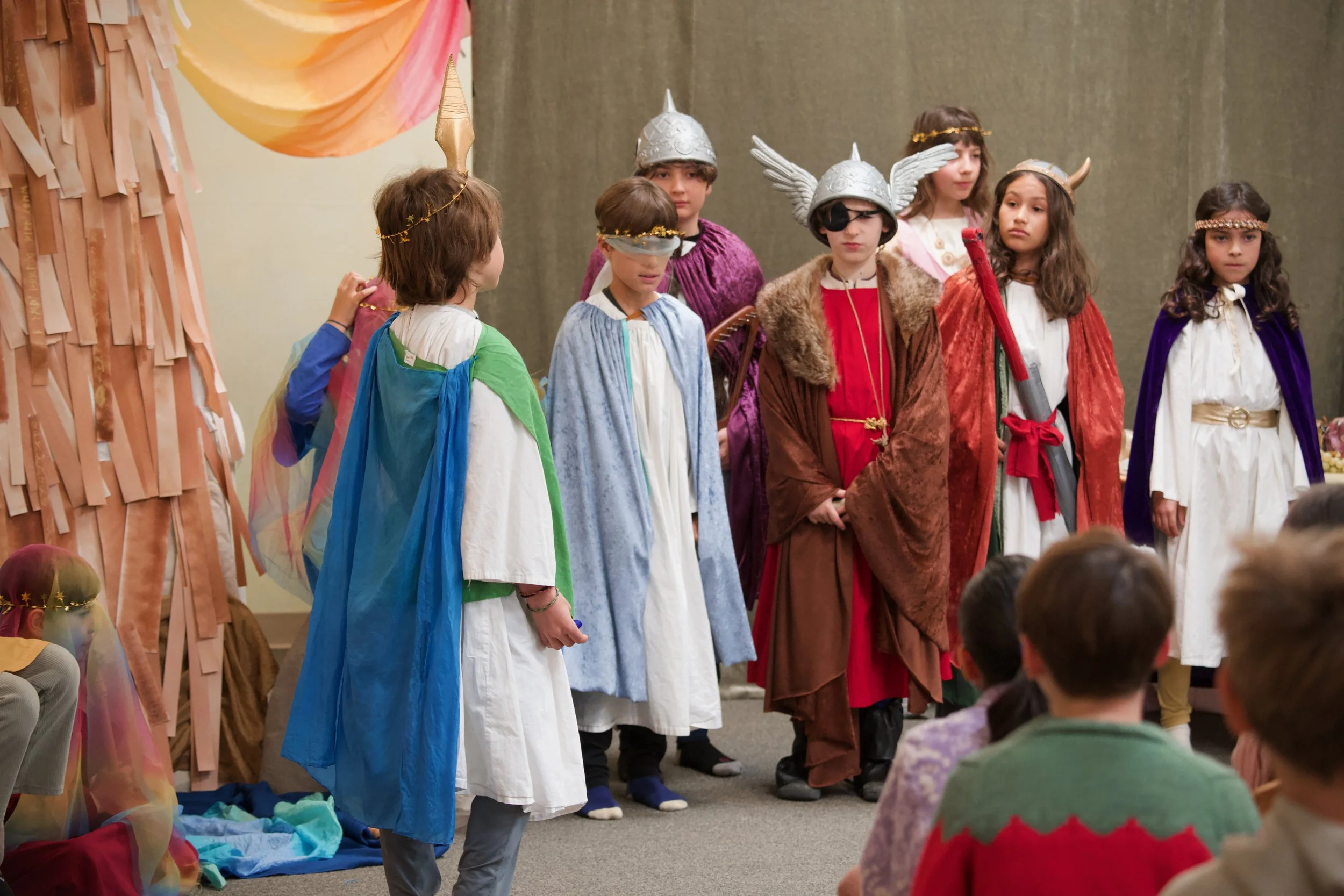
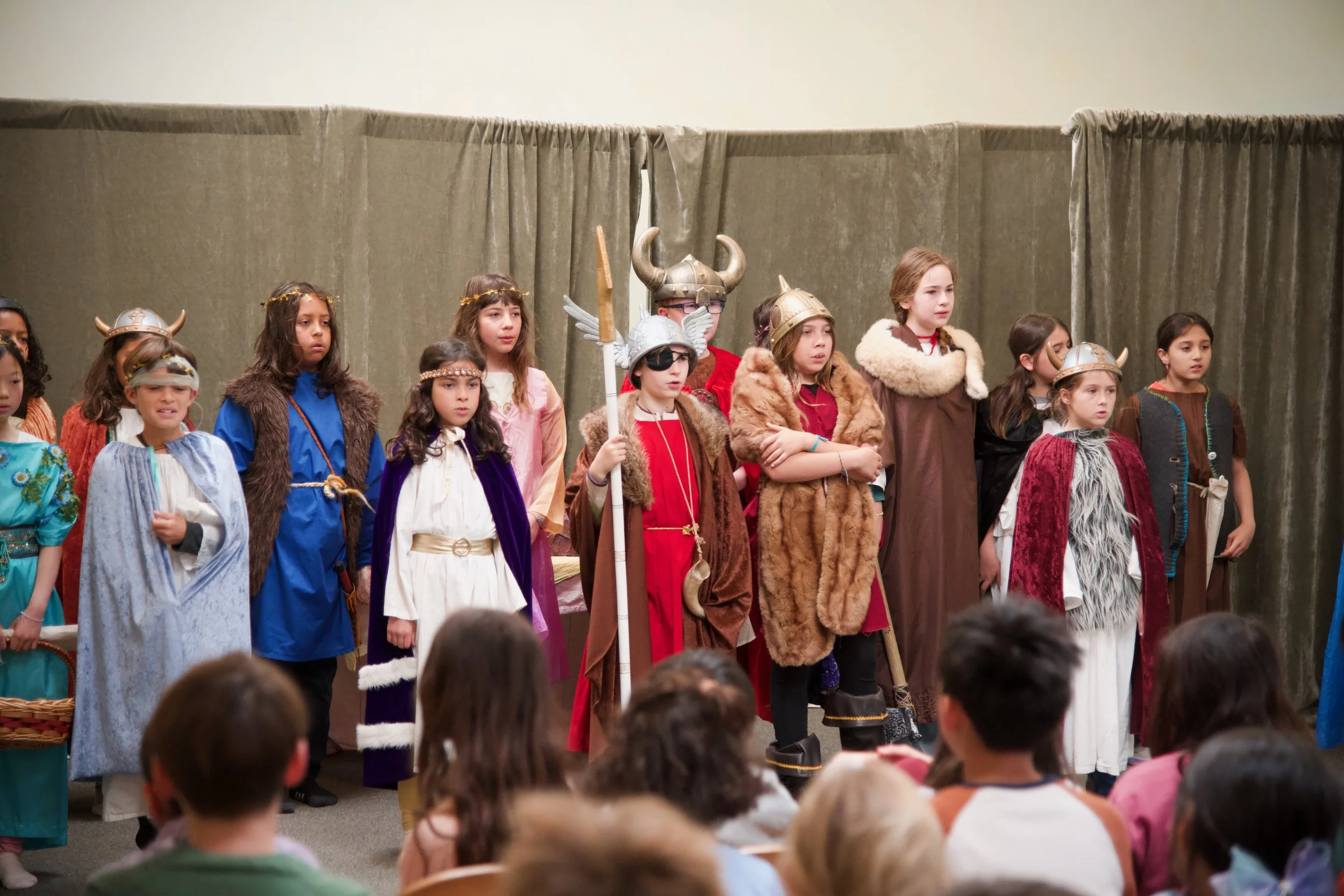
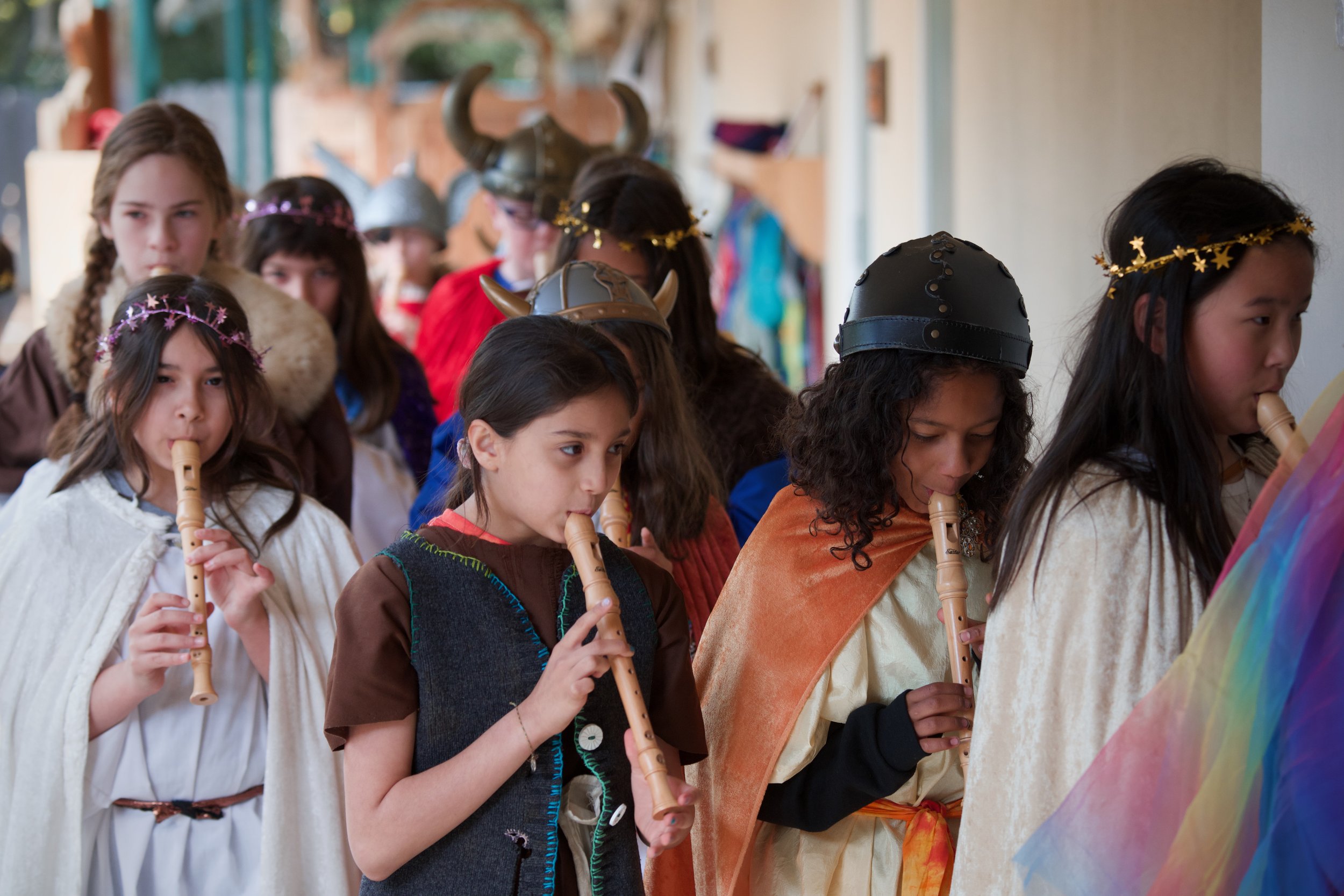
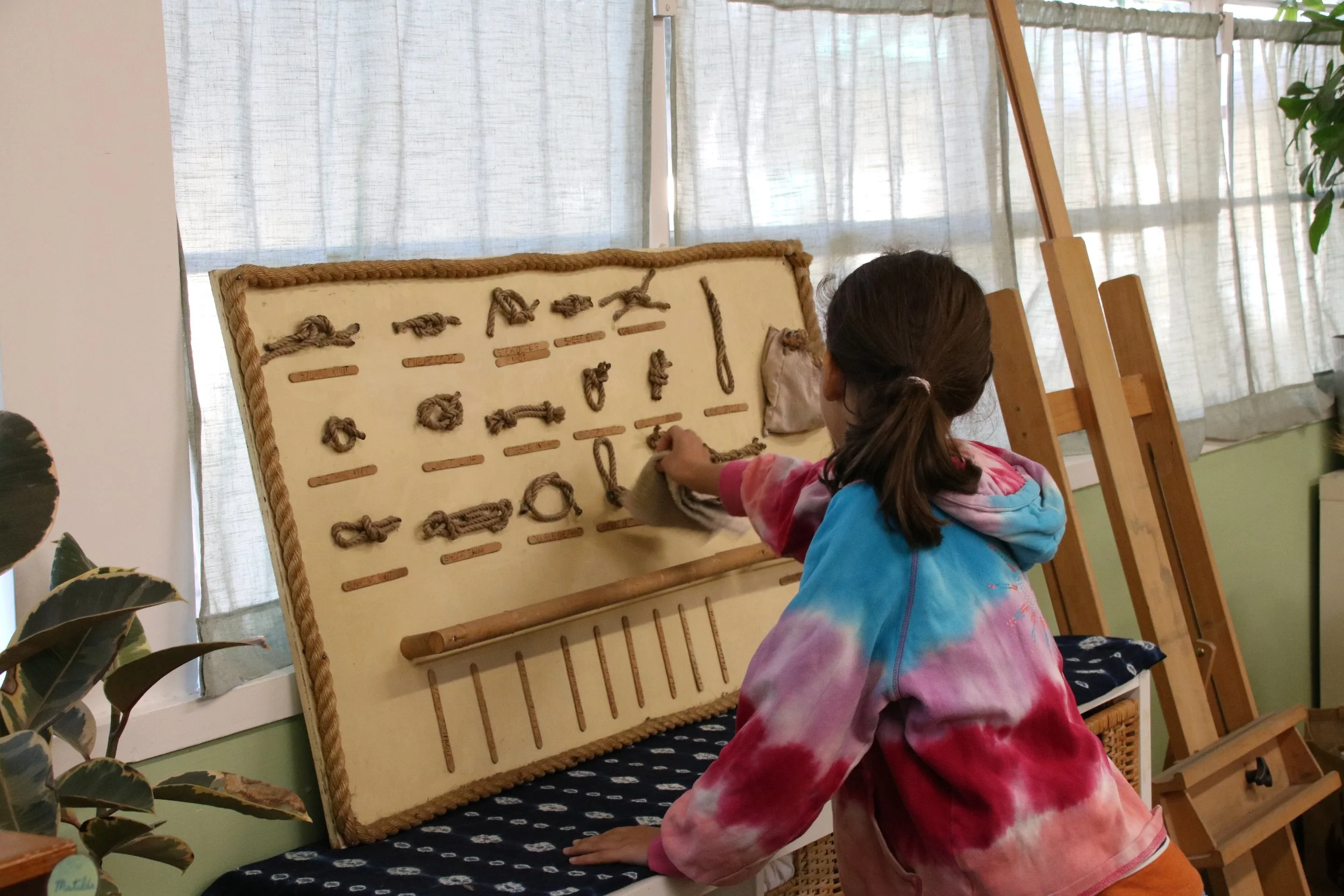
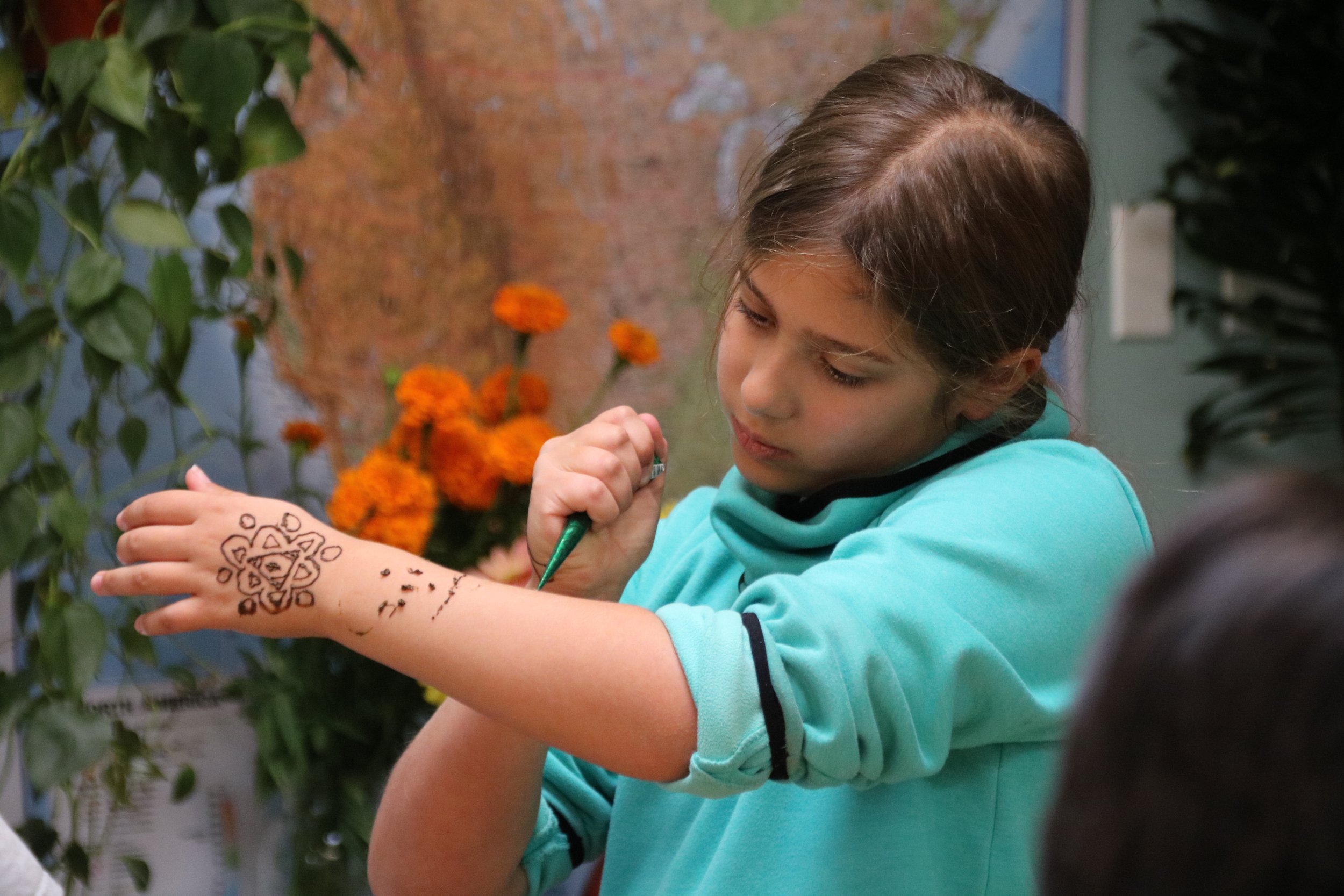
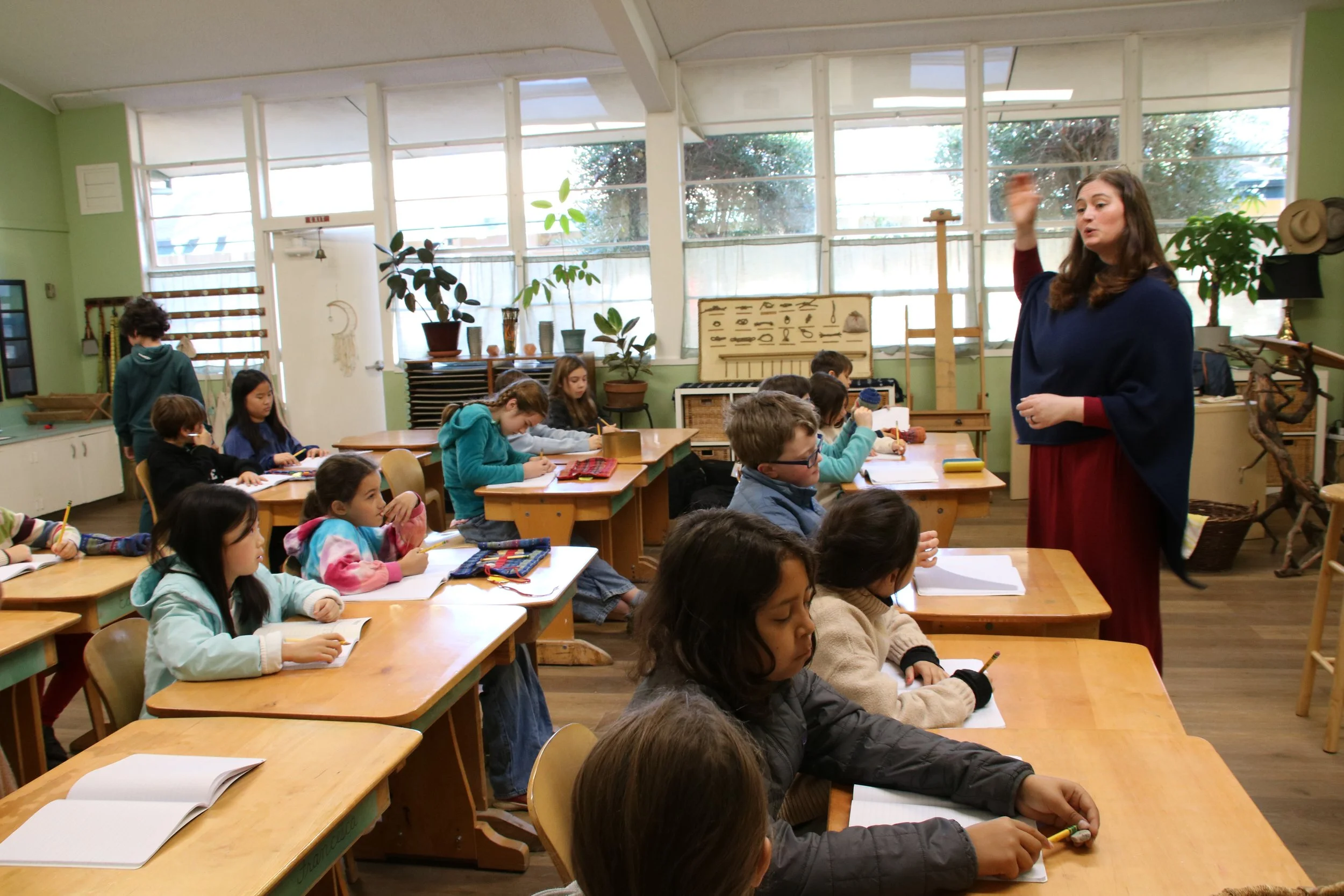
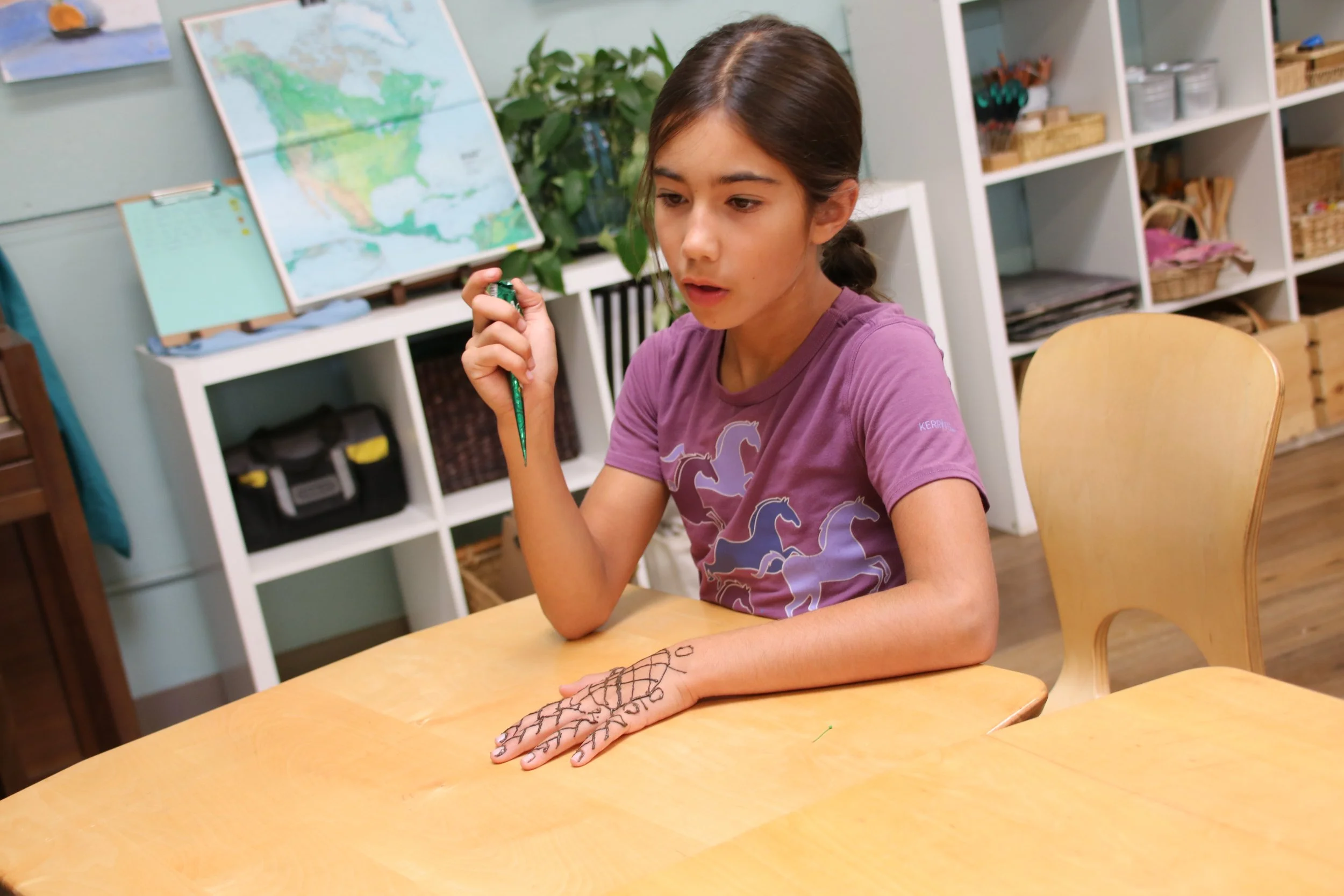
In the elementary years, learning becomes story-rich and multisensory. Children paint their multiplication tables, act out ancient myths, and write books about what they’re discovering. Every academic subject is taught through hands-on experience and narrative—bringing math, science, and language arts to life.
Instead of dry facts, students meet living ideas.
They begin to see learning as something joyful, creative, and worth doing well.
-
Middle School
(Grades 6–8)
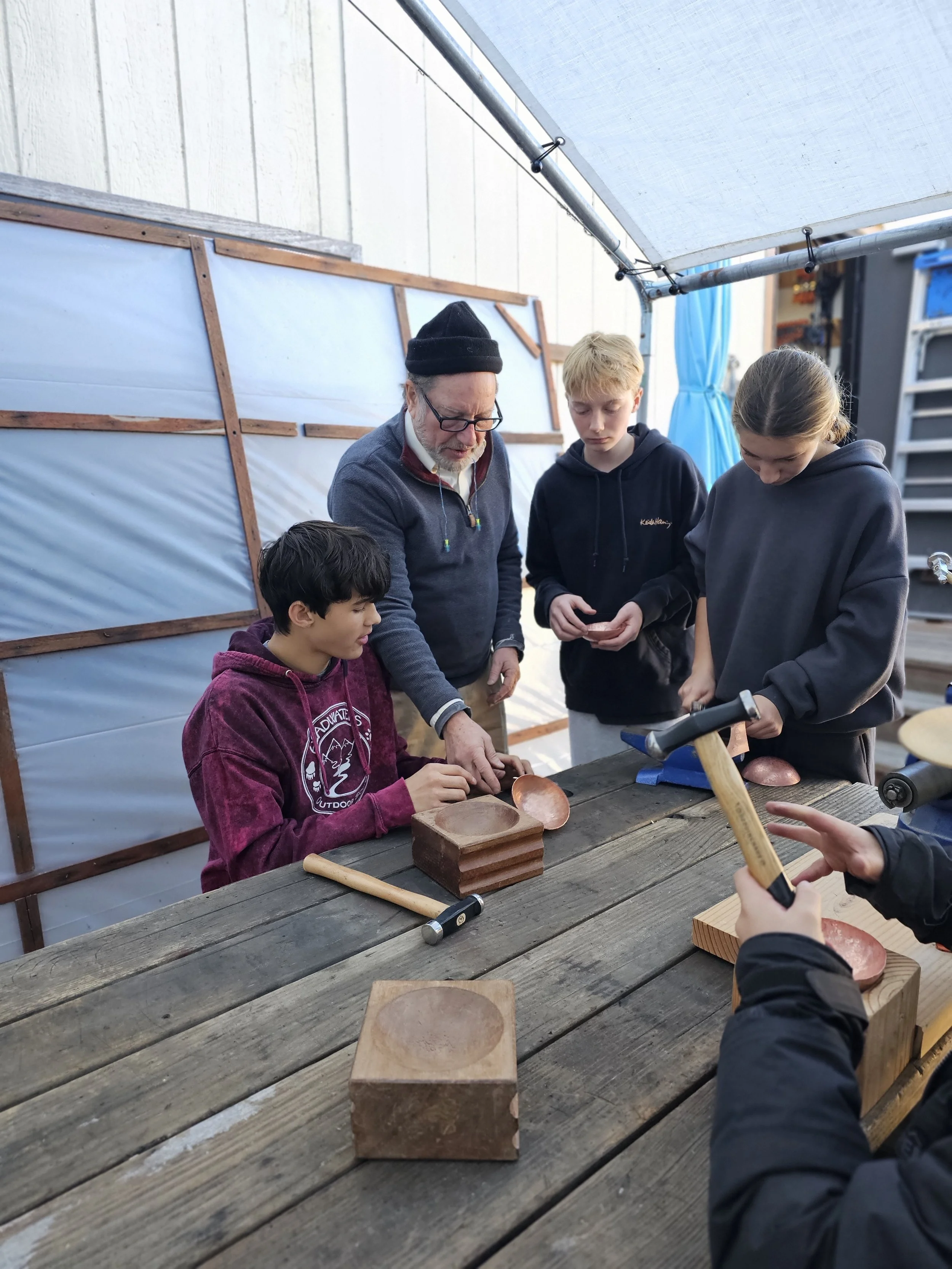
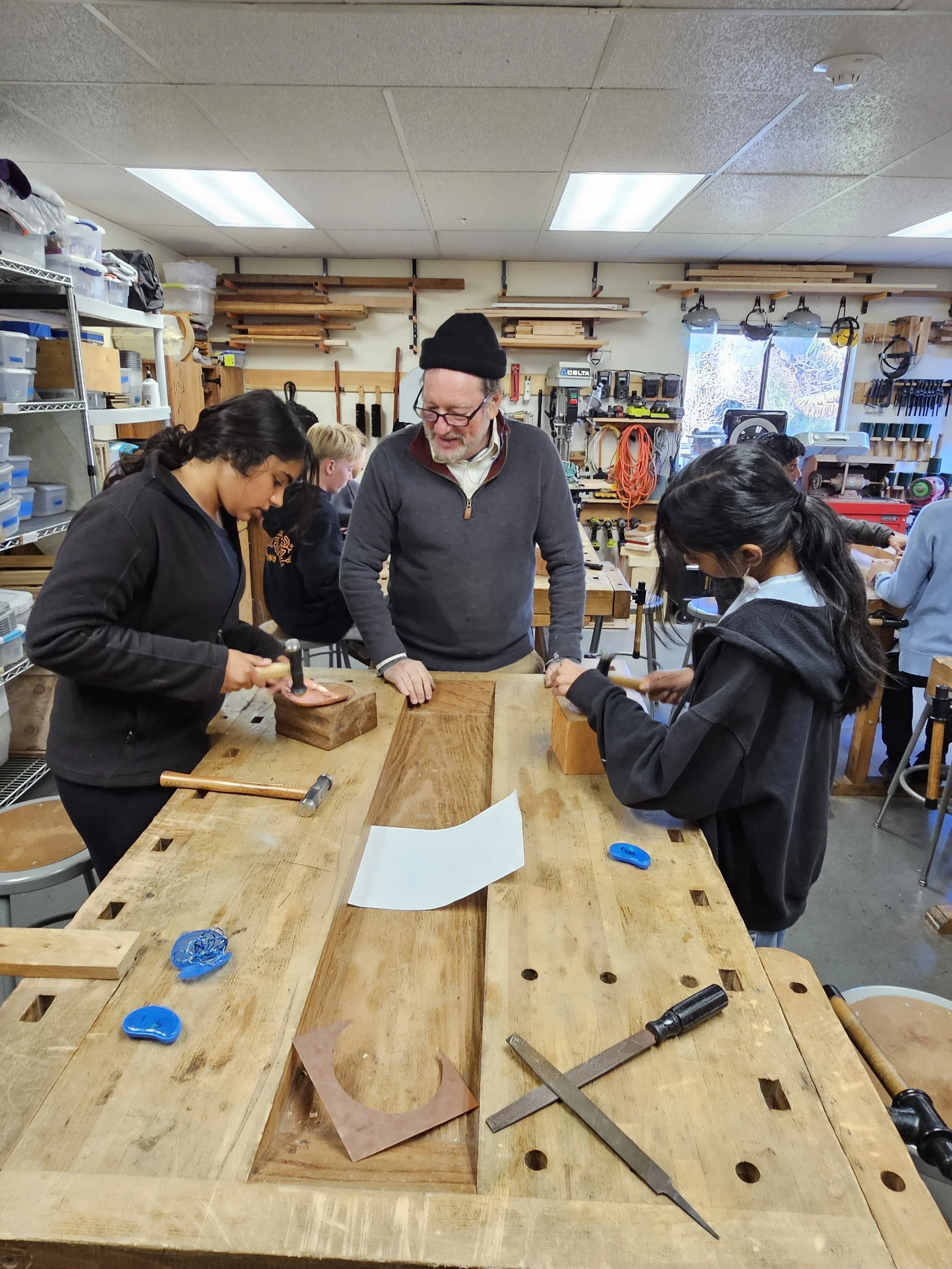
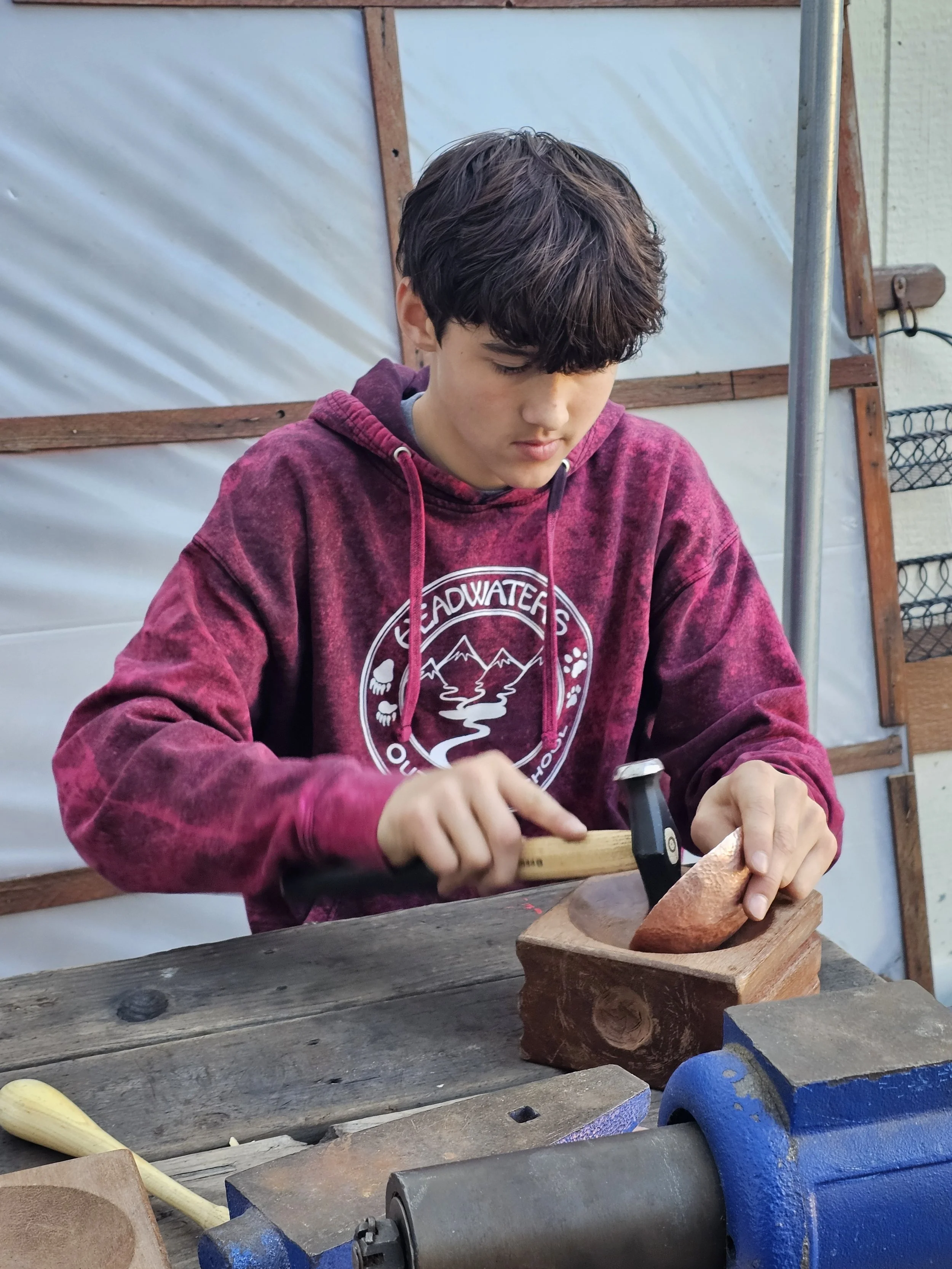
Adolescence begins, and with it comes a growing capacity for logic, complexity, and self-awareness. The curriculum meets this shift with intellectual rigor and emotional support. Students explore revolutions, civil rights, aerodynamics, anatomy, and algebra—always asking not just what is this, but why does it matter?
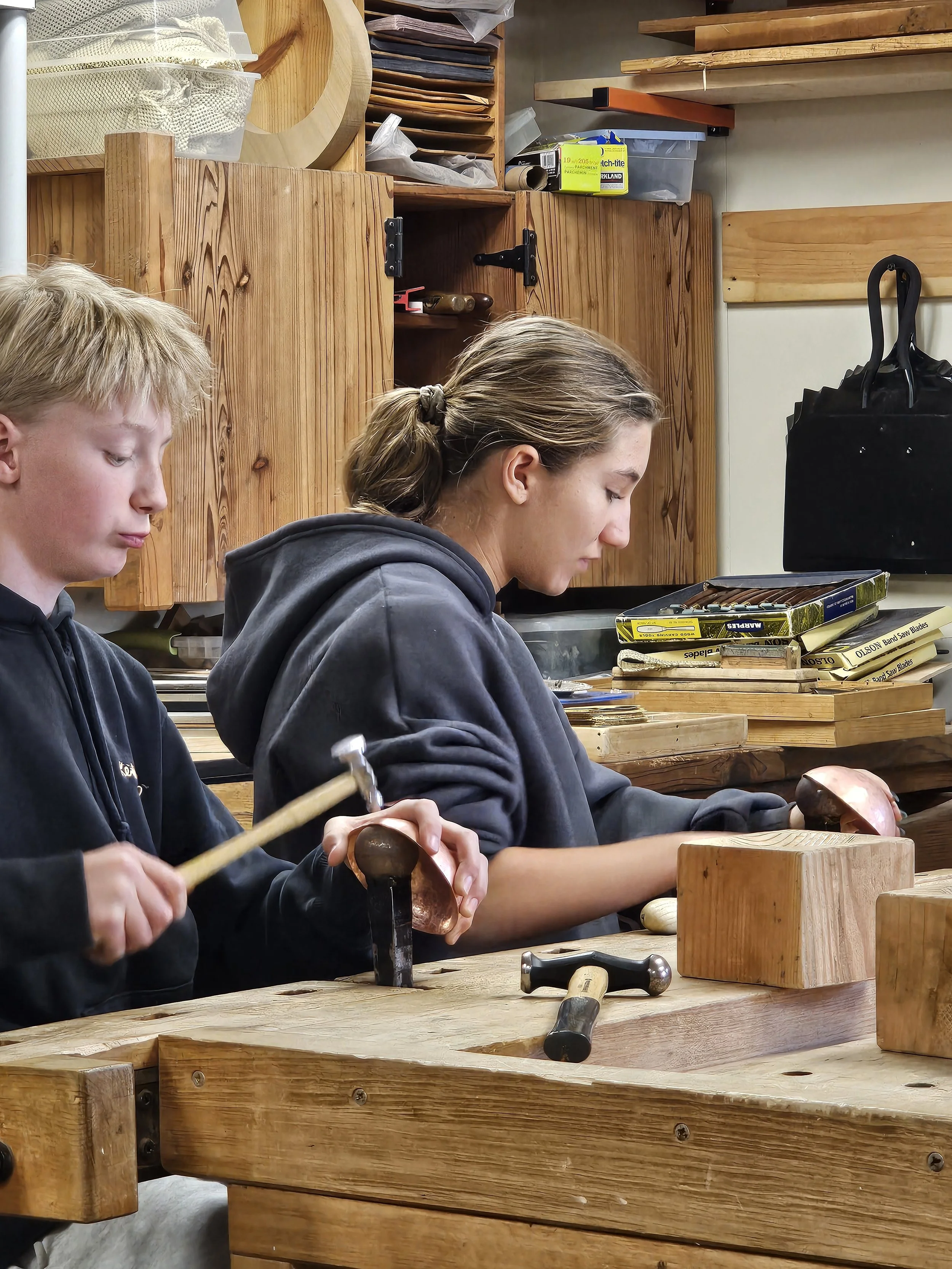
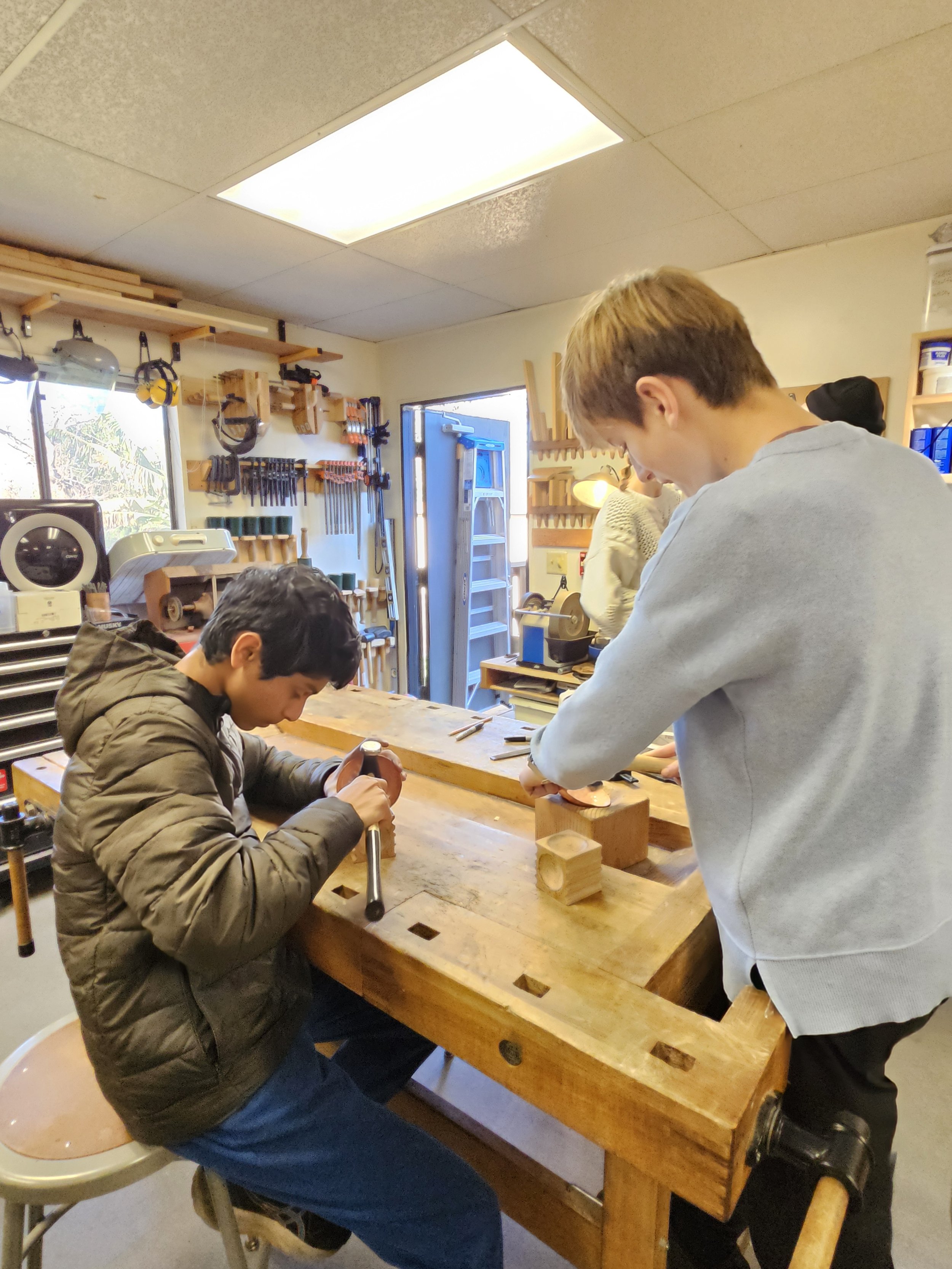
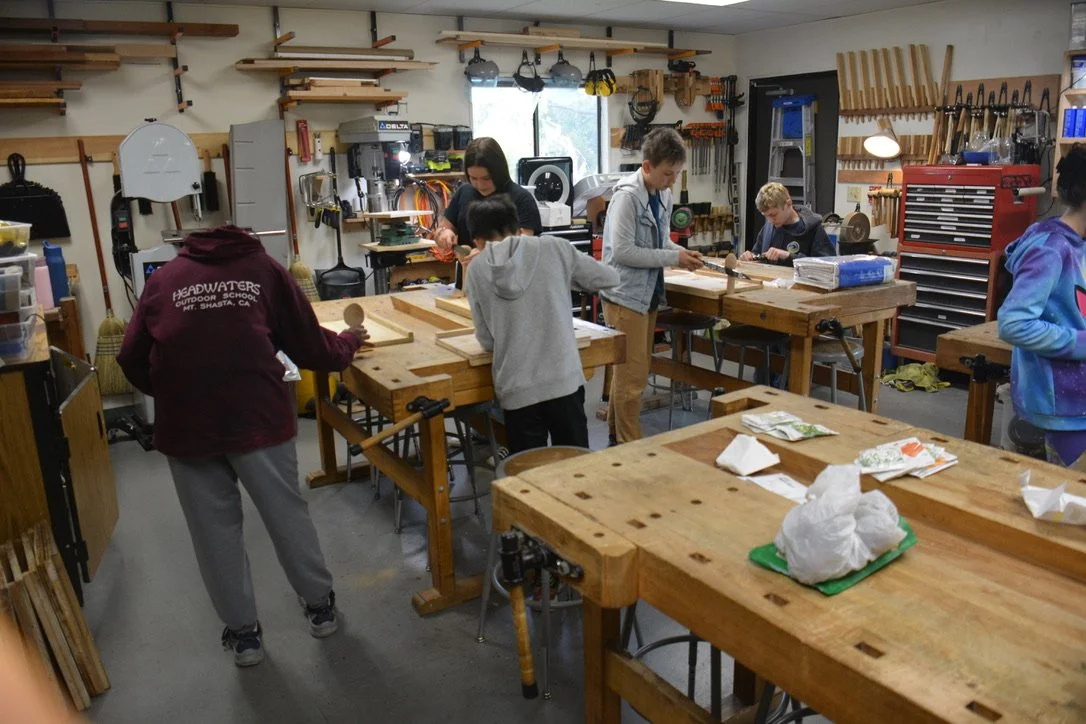
Movement, music, and craftsmanship remain essential.
So do questions of identity, ethics, and belonging.
-
High School
(Grades 9–12)
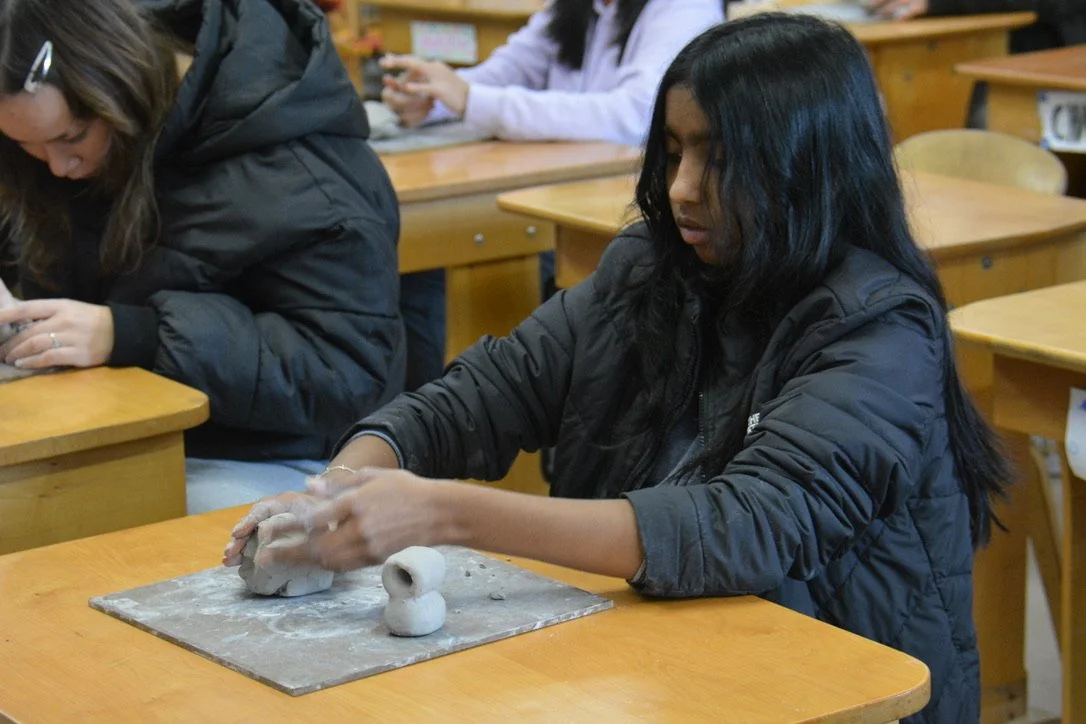
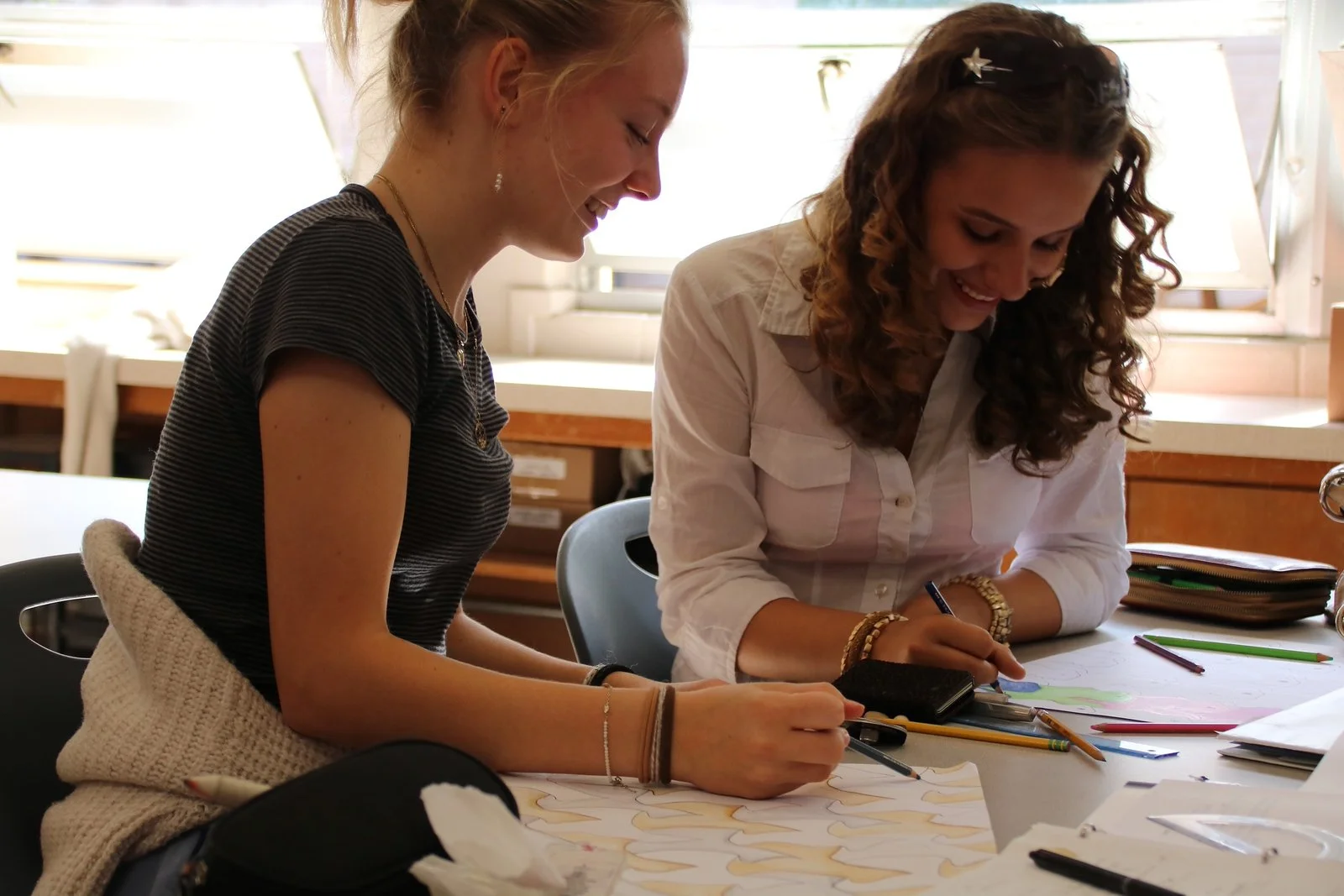
Now the real work begins: deep inquiry, original thinking, authentic expression. Students dive into biology, calculus, literature, philosophy, robotics, and environmental science. They write, research, debate, perform, and create. Every subject challenges them to engage with the world—and themselves—at the highest level.
They are not cramming for tests. They are becoming thinkers, artists, coders, scientists, citizens, leaders.
They leave not only college-ready—but life-ready.
A Parent’s Perspective
“I’ve watched my child grow through every stage of WSP’s curriculum—from watercolor spirals to lab reports to college essays. And through it all, they have stayed curious, kind, and grounded in who they are.”

A Curriculum for a Changing World
Our world is shaped by AI, automation, and complexity. But our children are still human. That’s why the WSP curriculum cultivates what no machine can replicate:
Original thought
Moral imagination
Presence and focus
Curiosity and care
Purpose beyond performance
At every stage, we ask not just what do children need to know?
We ask: Who are they becoming—and how can school support that becoming?
This is curriculum as soulcraft.
As humanity.
As a path toward meaning.
Schoolwide Learner Goals
Learning
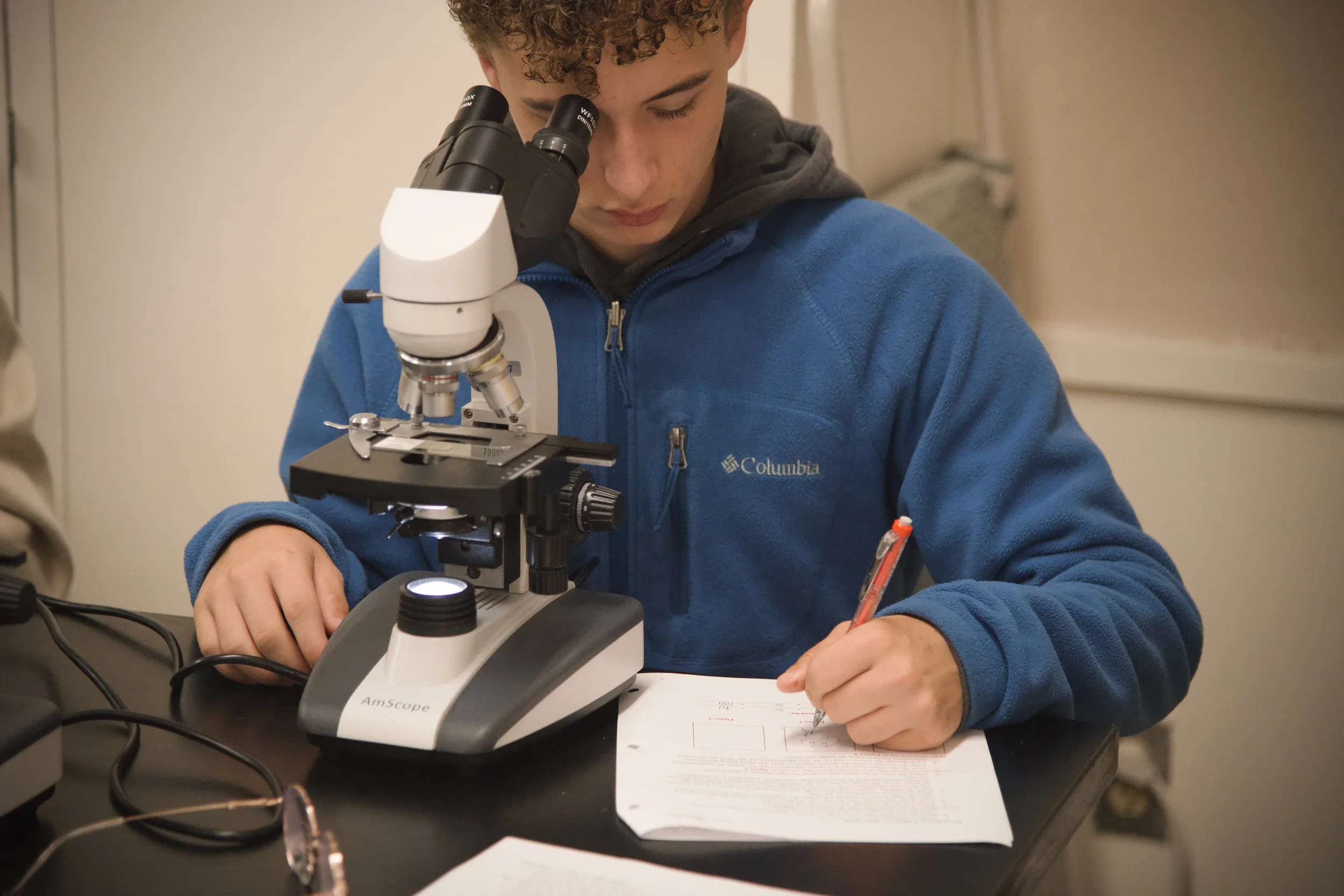
Students learn and develop their abilities with enthusiasm and interest.
Creativity
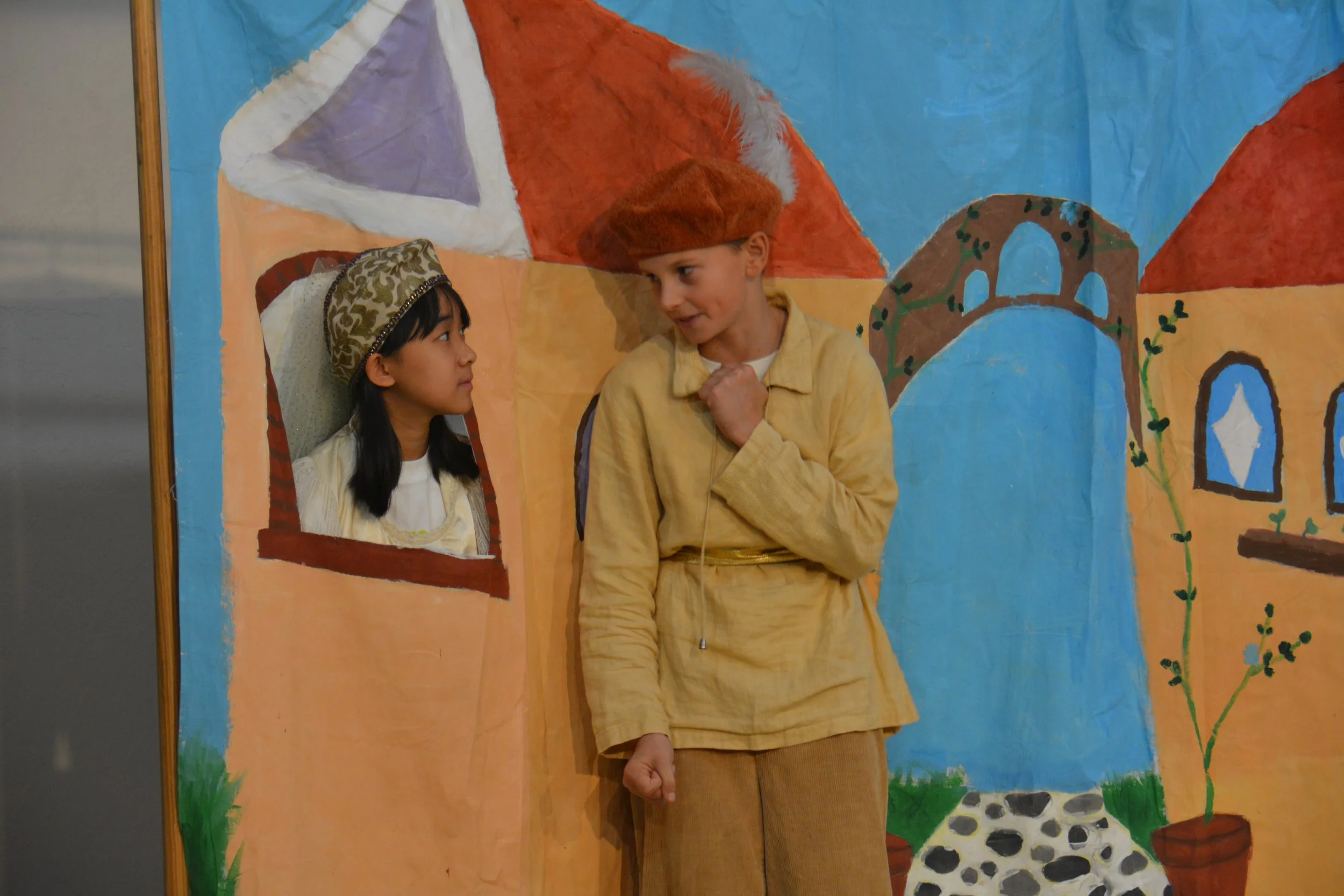
Students cultivate their natural capacities for creativity within the learning process.
Reverence
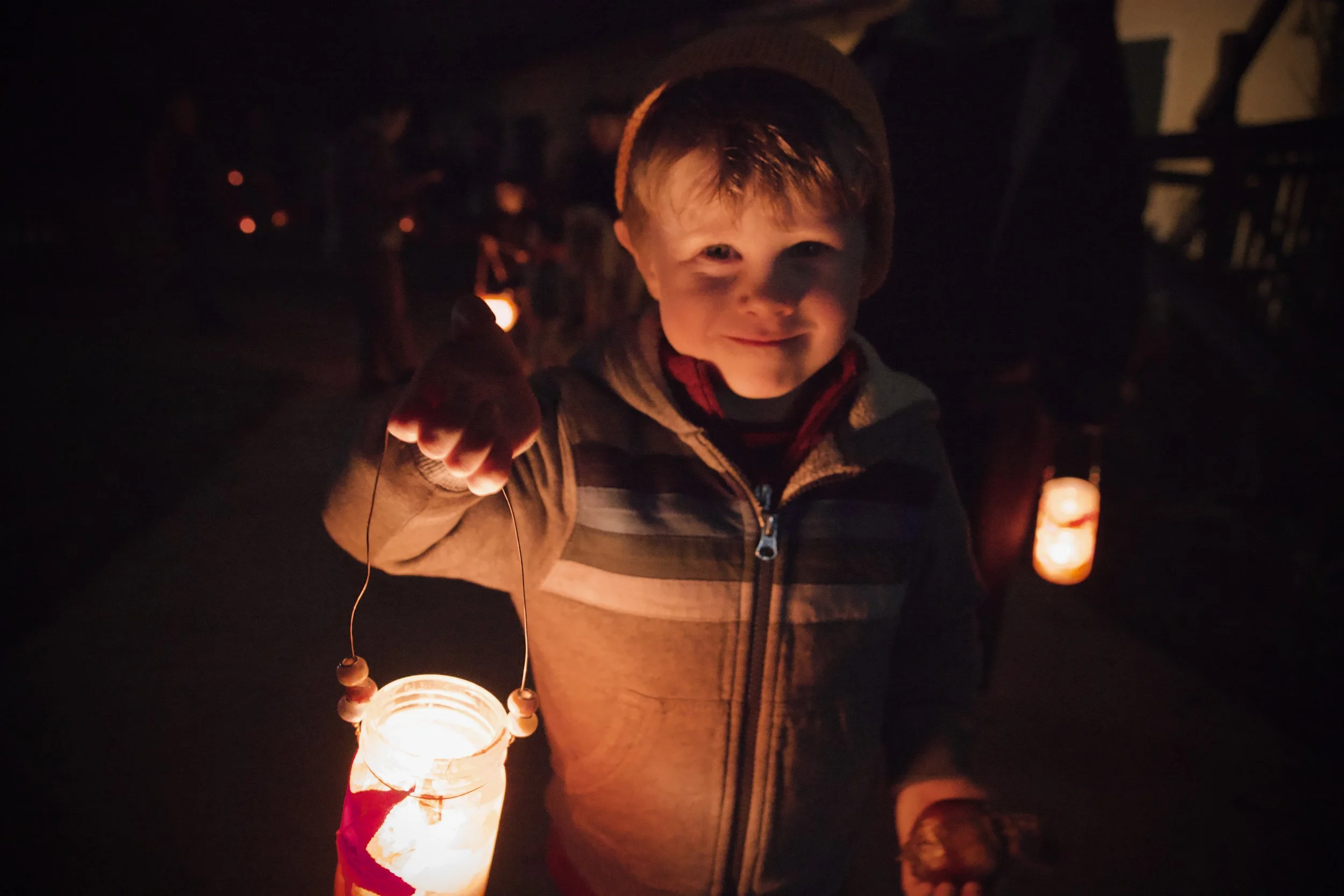
Students meet the world with wonder and awe.
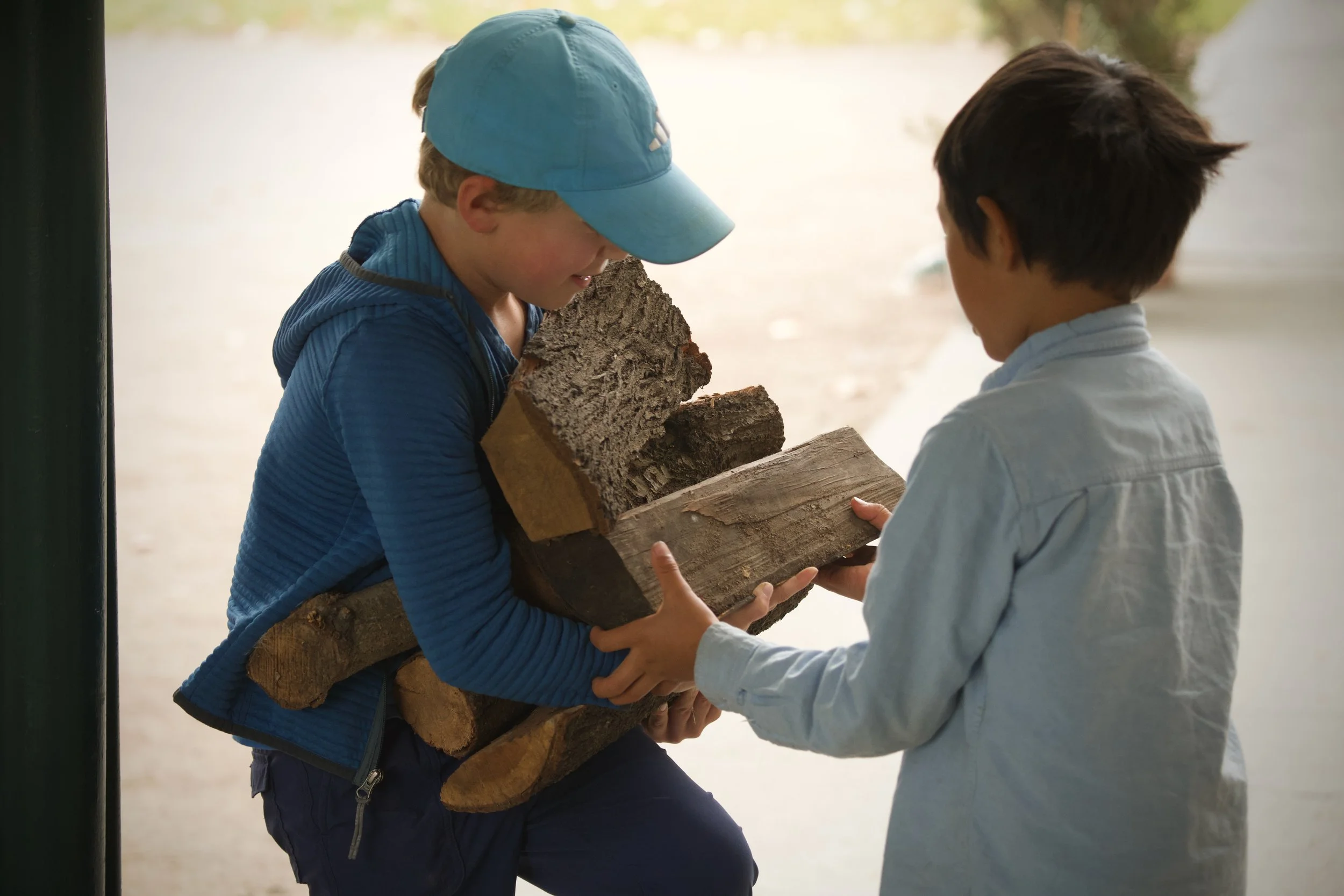
WSP is dedicated to providing an education that understands, embraces, and encourages the development of the child as a whole human being with a spirit, soul, and body. Our expected school-wide learning results reflect the essence of Waldorf education: each student who graduates from WSP has developed their capacities for learning, creativity, reverence, and citizenship.
Citizenship
Students demonstrate personal and social responsibility by acting with purpose and collaborating effectively with people from diverse backgrounds and perspectives.