

“You’re always encouraged to ask questions and be the center of your own learning.” - Class of 2025
Blending Silicon Valley's innovative spirit with Waldorf principles, we cultivate courageous thinkers prepared for purposeful lives.
-
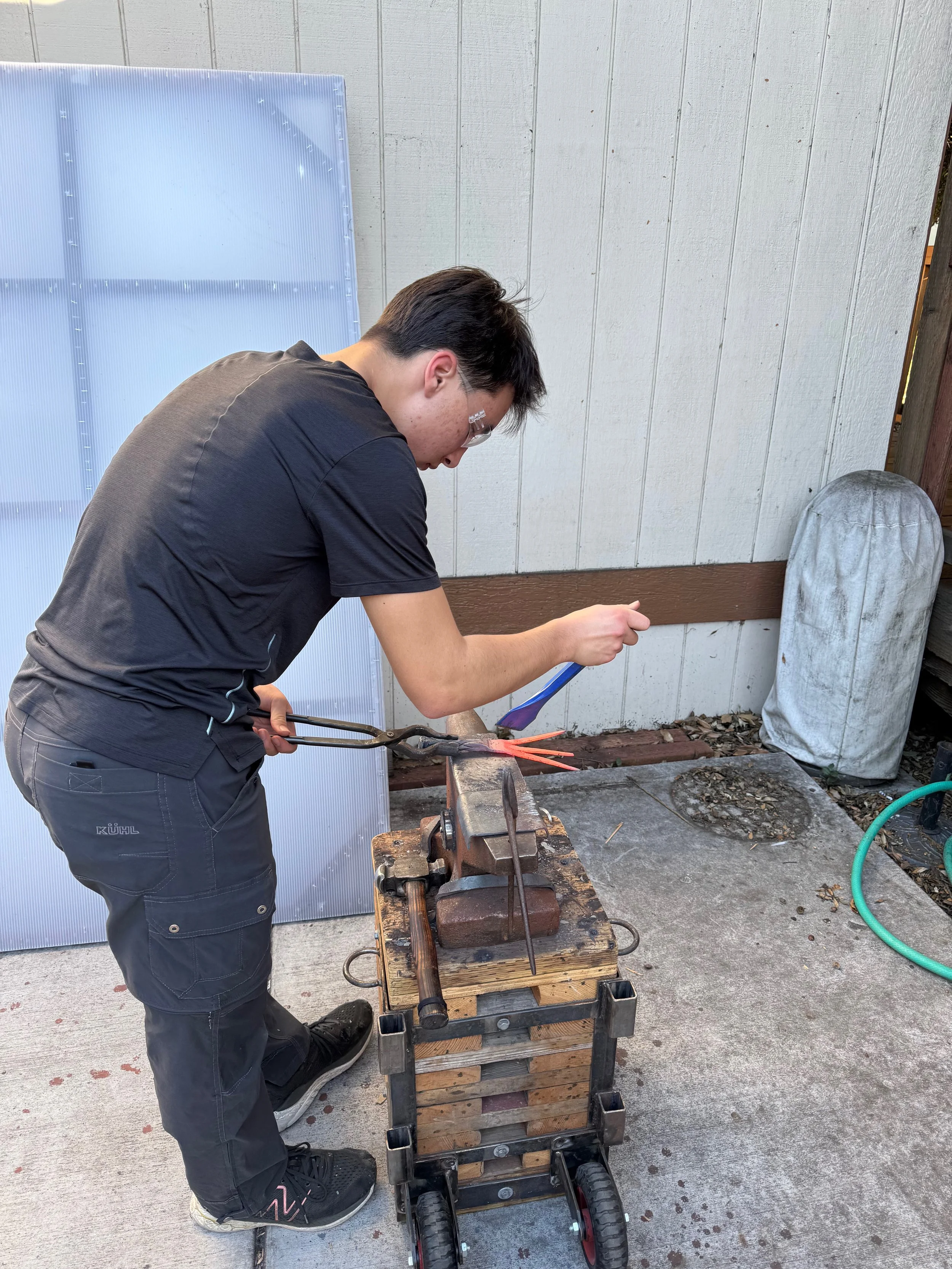
Our Approach
WSP integrates rigorous academics in mathematics, sciences, and humanities with deep engagement in the arts, music, and craftsmanship. This approach develops graduates who combine analytical precision with creative vision, bringing uncommon perspectives to complex problems.
Students experience our curriculum through immersive four-week main lesson blocks in daily 105-minute sessions, fostering depth of inquiry through thoughtful discourse led by expert faculty.
-
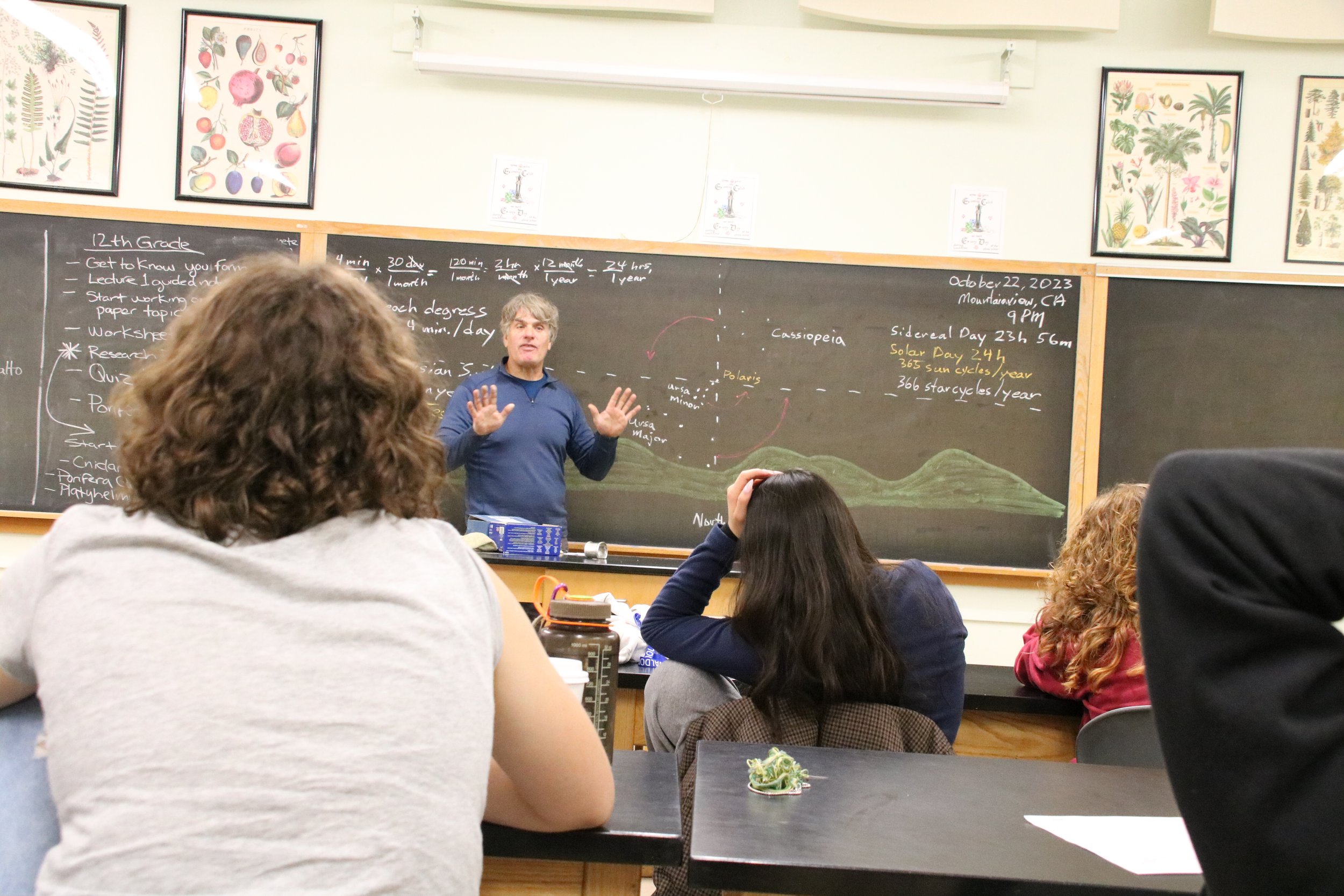
Faculty Excellence
80% of our high school teachers hold advanced degrees. Many faculty are Waldorf graduates themselves, combining academic credentials with specialized Waldorf teaching certifications. Their diverse experiences as researchers, designers, musicians, and entrepreneurs directly inform our integrated approach.
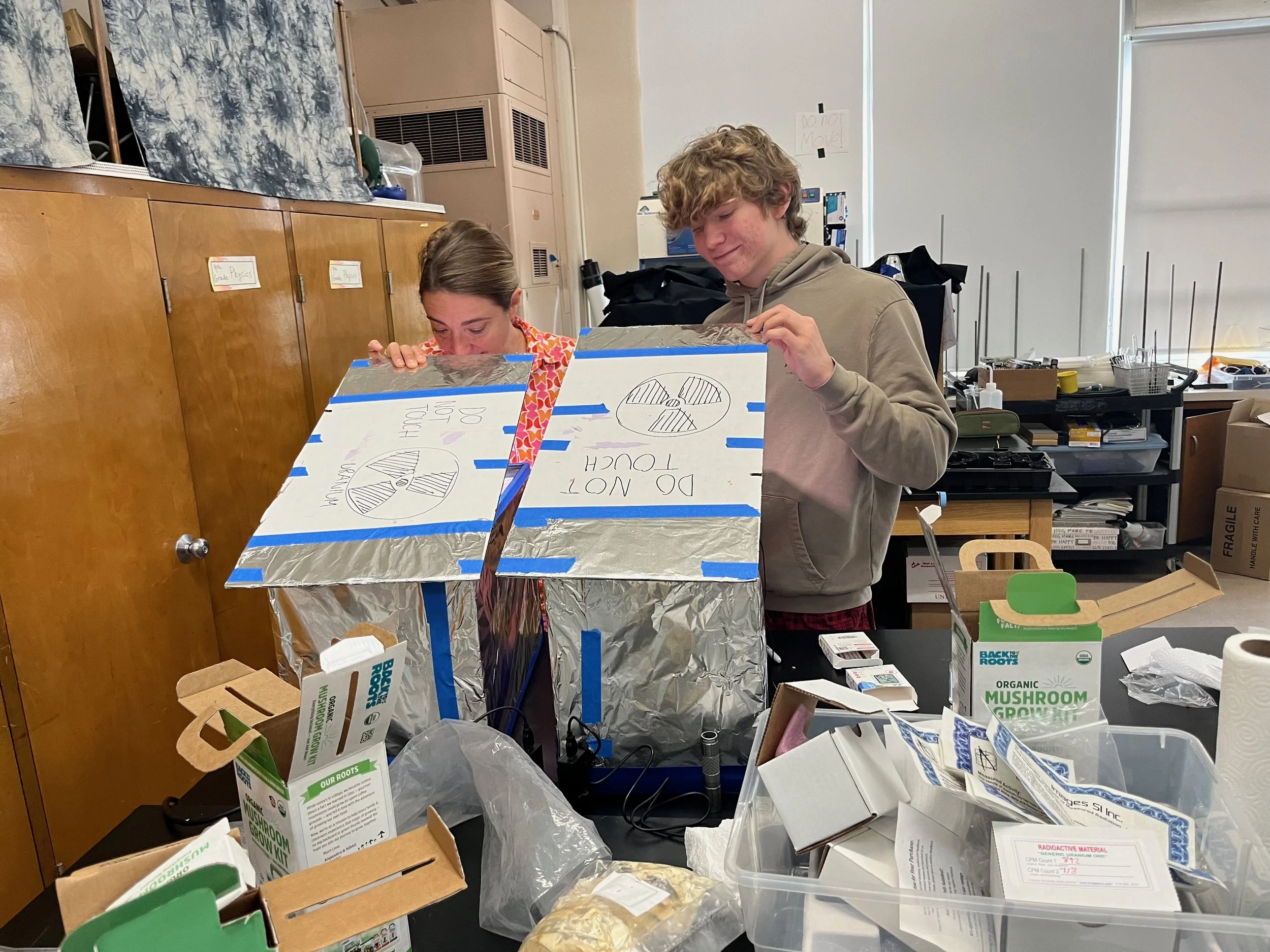
Course Offerings
WSP intentionally emphasizes depth of understanding through our Advanced Study (AS) and Honors courses rather than standardized AP or IB programs
Advanced Study Courses
AS Courses have WSP's unique curriculum additions that make them externally comparable to AP.
Mathematics & Sciences
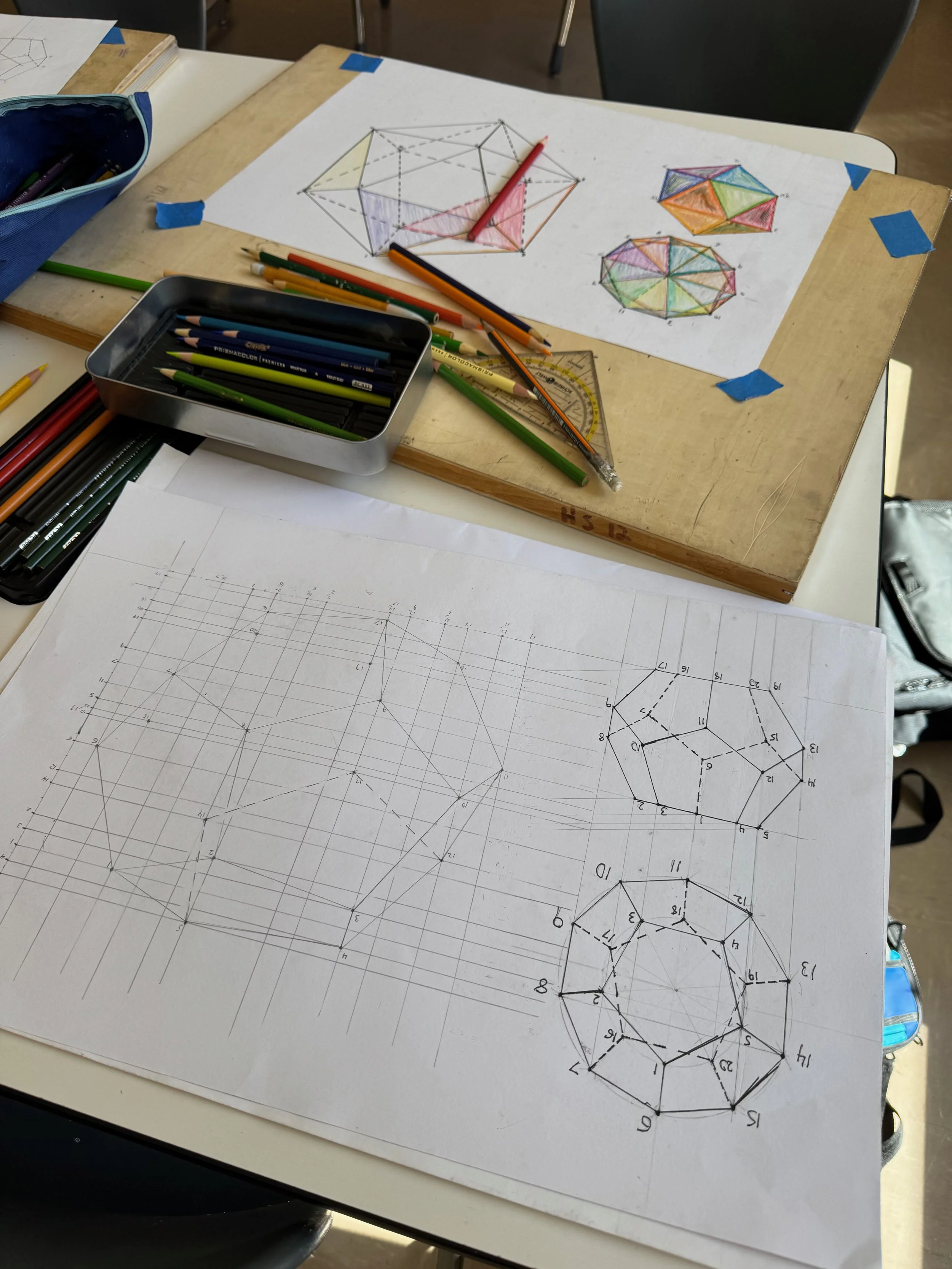
AS Projective Geometry
AS Zoology
AS Optics
AS Astronomy
AS Botany
AS Electricity and Magnetism
Humanities & Literature
AS English 3: Ethics & Morality
AS English 3: The Quest
AS World History 3
AS Political Science/Civics
AS History of Consciousness
AS Comparative Literature
AS Self-Determination
AS Composition
AS Romantic Literature
AS Shakespeare
Arts
AS Drama
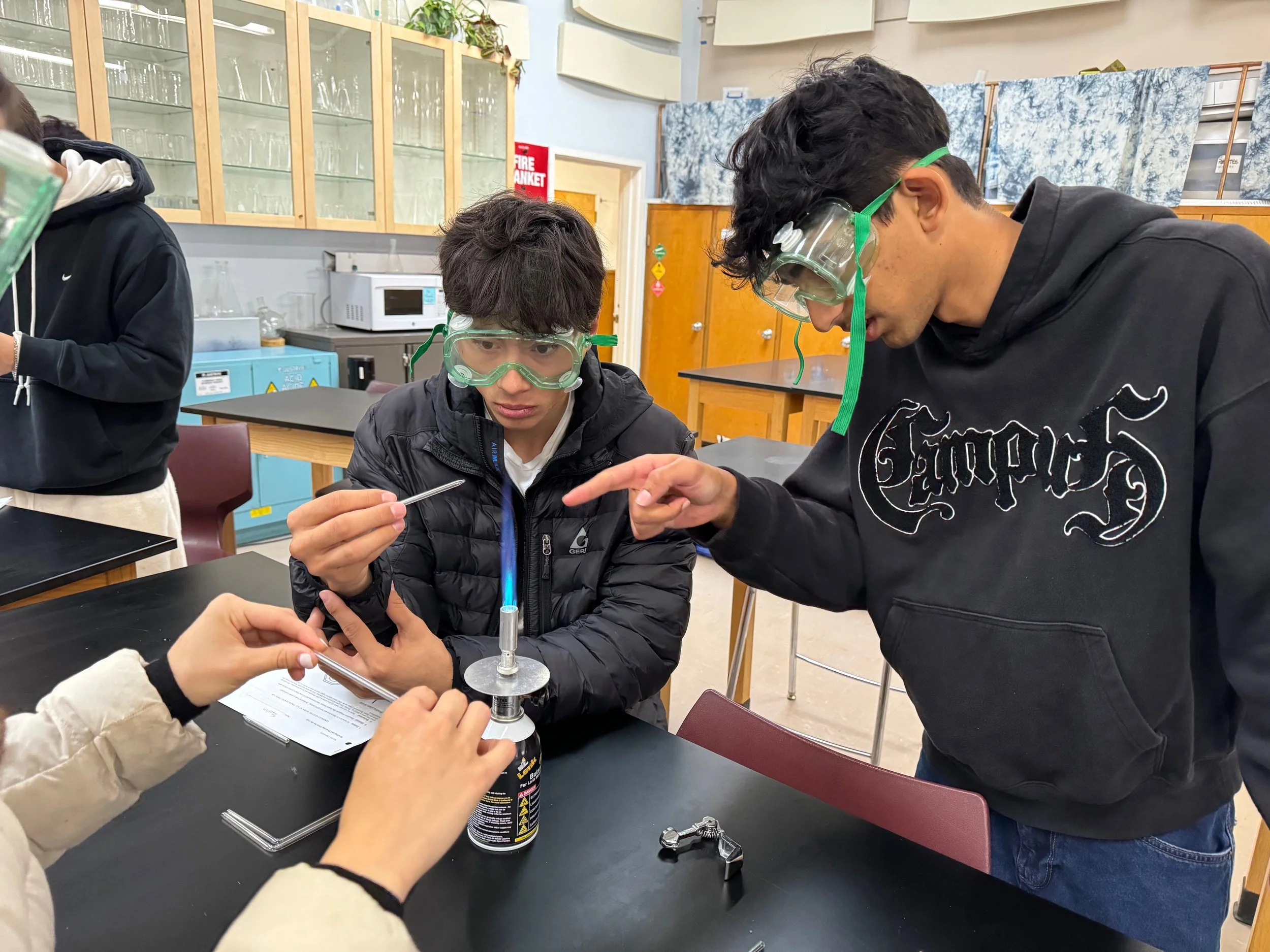
Honors Courses
Mathematics & Sciences
Honors Pre-Calculus
Honors Calculus
Honors Biochemistry
Honors Atomic Chemistry
Honors Electricity and Magnetism
Honors Interdisciplinary Science (Physics, Chemistry, Biology)
Honors Cell Biology
Humanities & Literature
Honors History Through Music
Honors History through Architecture
Honors US History (Political Movements)
Honors Medieval History
Honors English 3 (Gaze and Perspective)
Honors Comparative Literature
World Languages
Honors Spanish 3, 4, and 5

Weekly Schedule
Students experience our curriculum through immersive four-week main lesson blocks in daily 105-minute sessions, fostering depth of inquiry through thoughtful discourse led by expert faculty.
Here’s the schedule for a typical day in 11th grade:
8:00 – 9:45 Main Lesson
9:45 – 10:00 Break
10:00 -10:50 Math
10:55-11:45 Spanish
11:45-12:30 Lunch
12:30-1:20 Music Ensemble
1:20-1:30 Break
1:30-2:20 Humanities
2:25-3:05 Eurythmy
3:05-3:15 End-of-day chores
3:15-3:30 Daily wrap-up meeting
Sample Main Lesson: Electricity & Magnetism
Turn in homework; collect corrected work
Review previous day’s experiment and concepts
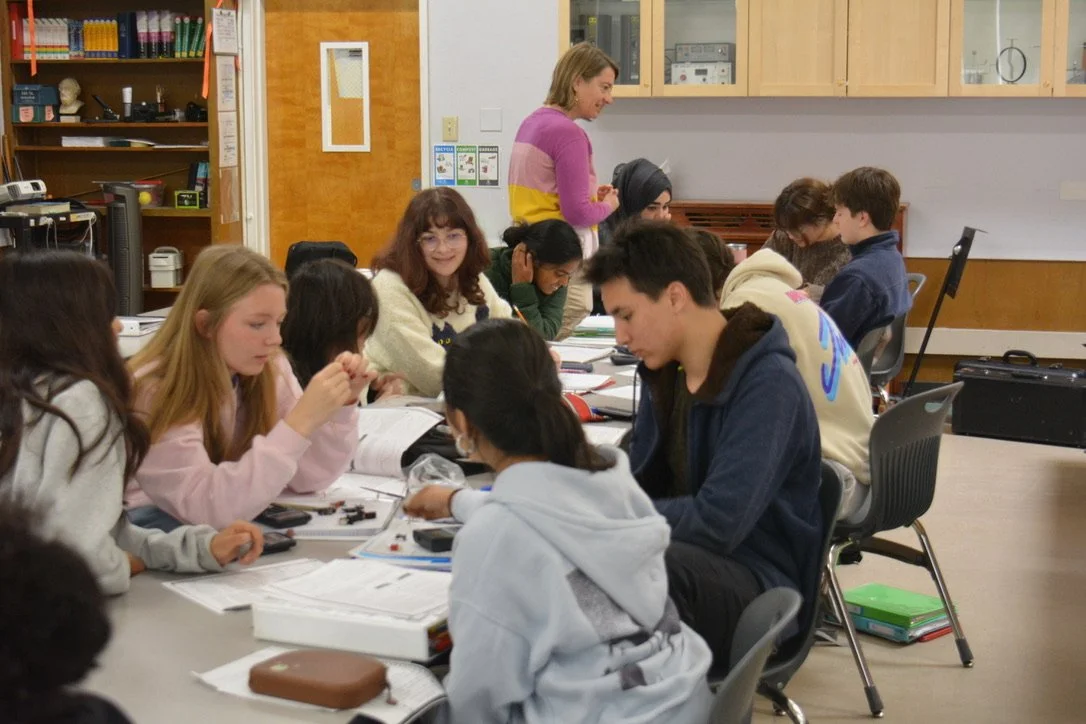
Begin new experiment on electricity and magnetism. Working in groups, students carefully observe, take notes, make sketches and collect, plot and analyze data
Teacher leads open discussion to share results of experiments, comparing findings from different groups.
Lecture on theory
Assignment of homework and Main Lesson book pages
Unique Courses
-

Craftsmanship & Arts
BlacksmithingMetalsmithing
Alabaster Oloid Carving
Clay Figure Sculpting
Book Arts
-
Specialized Studies
Trigonometry and SurveyingHistory of Revolutions
Descriptive Geometry
Combinations and Permutations
AS English 3: The Quest (Includes a week-long Wilderness Self-Reflection Trip)
-
How We Assess Learning
Assessments measure depth of understanding, not just content acquisitionHolistic evaluation through class discussions, projects, presentations, and written work
Self-reflection components develop metacognition and learning ownership
Emphasis on continuous feedback versus summative testing
“The learning doesn’t stop after a test.” - Class of 2025