Parent-Child Classes (ages 1 – 3)
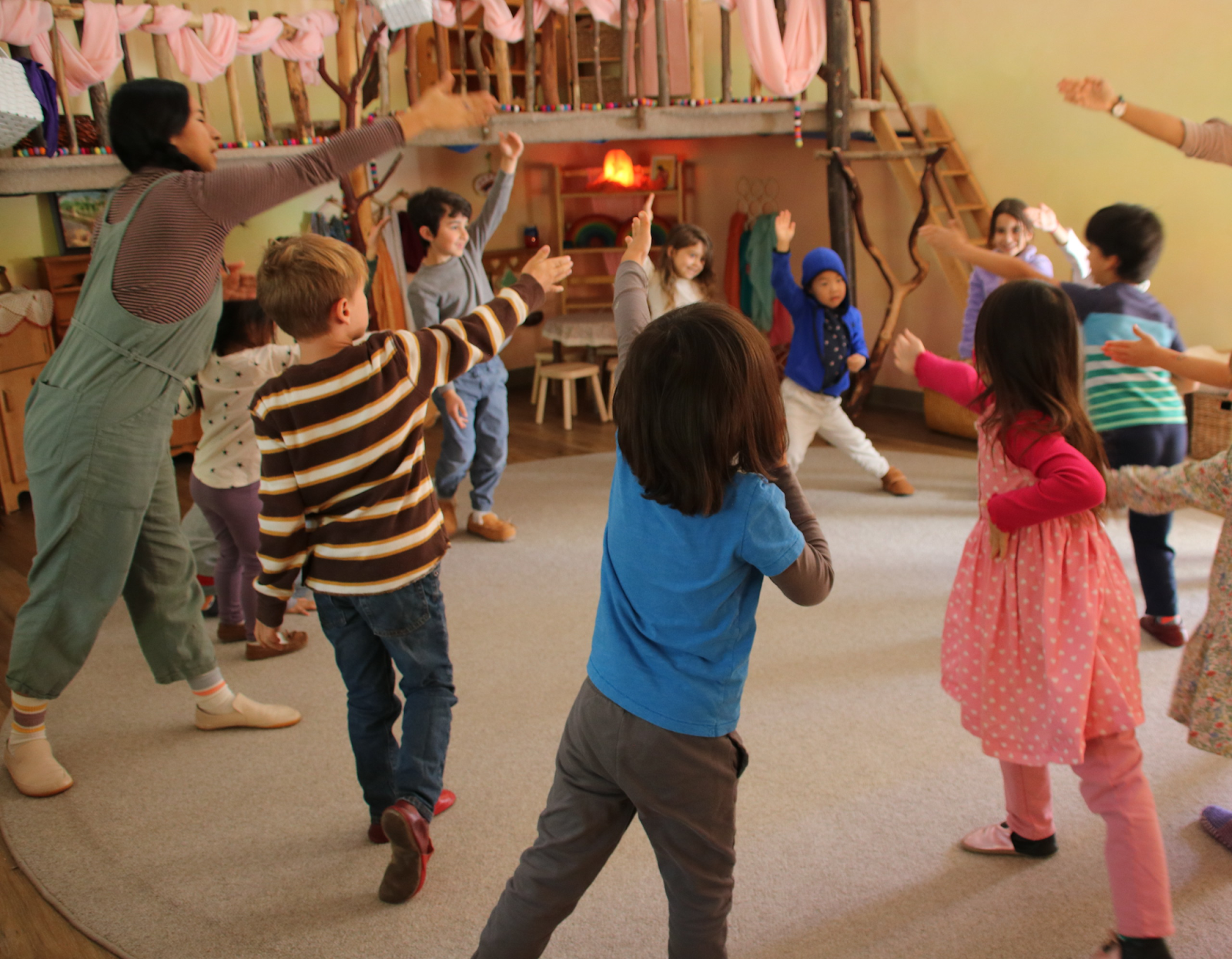
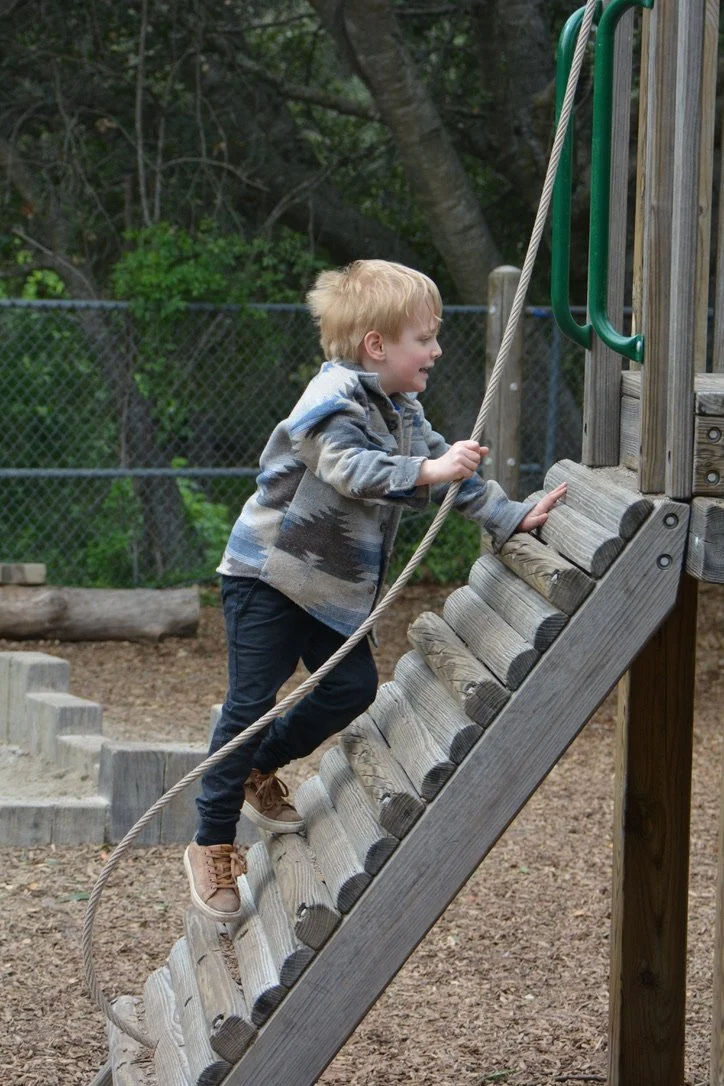
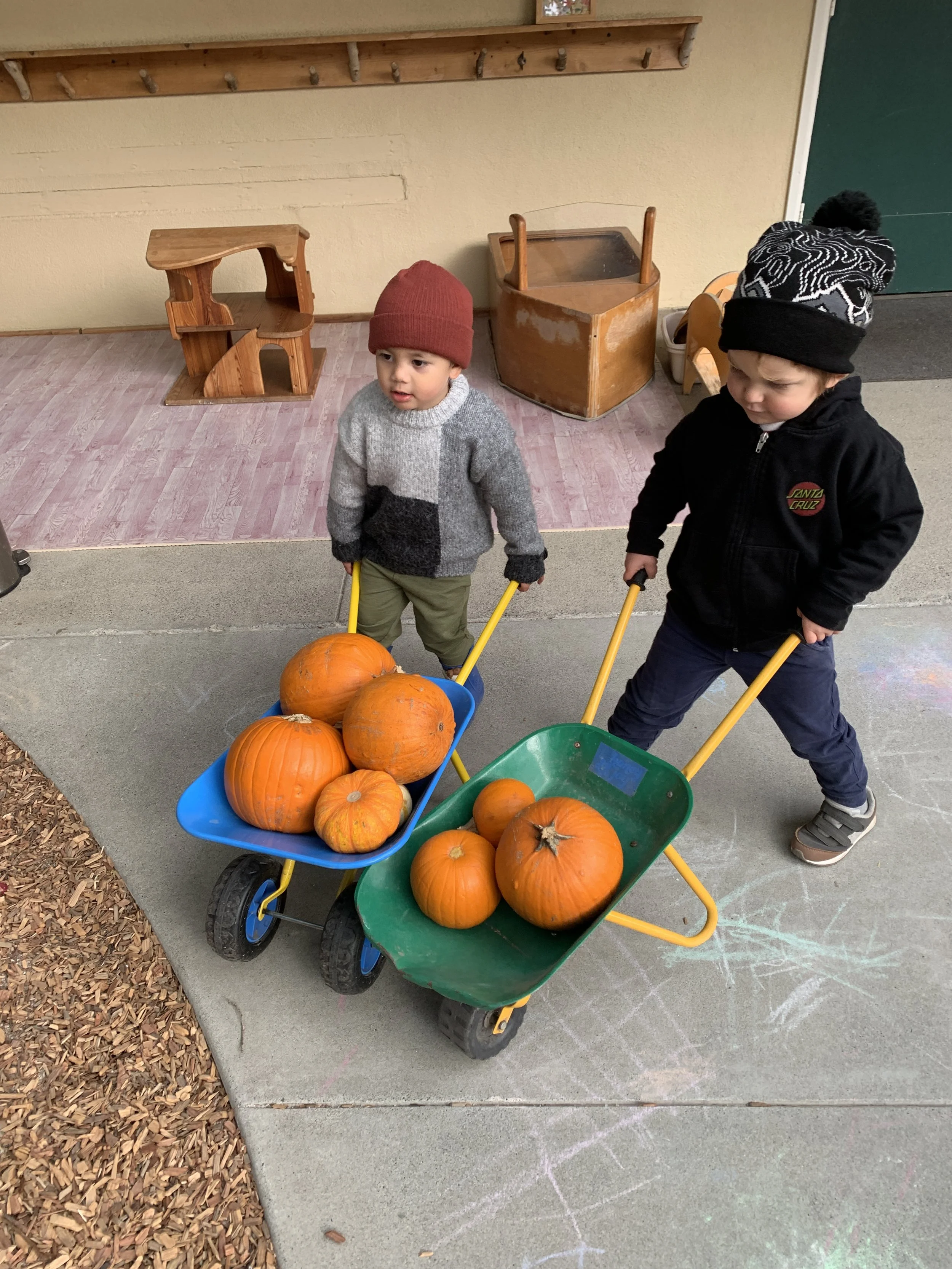
Parent-Child classes offer a gentle introduction to Waldorf Education for parents and their little ones. We focus on the “Three Rs” – Rhythm, Reverence, and Repetition – which so perfectly nourish and support the foundational senses of the young child. Each morning will be a joyful journey through outdoor and indoor play and exploration, preparation and sharing of food around the table, and seasonal songs, stories, and crafts. Parents build a practice of sustained peaceful observation time each week and share conversations on topics such as sleeping and waking, eating, communication, and healthy boundaries.
Preschool (ages 2 1/2 – 4 1/2 by June 1)
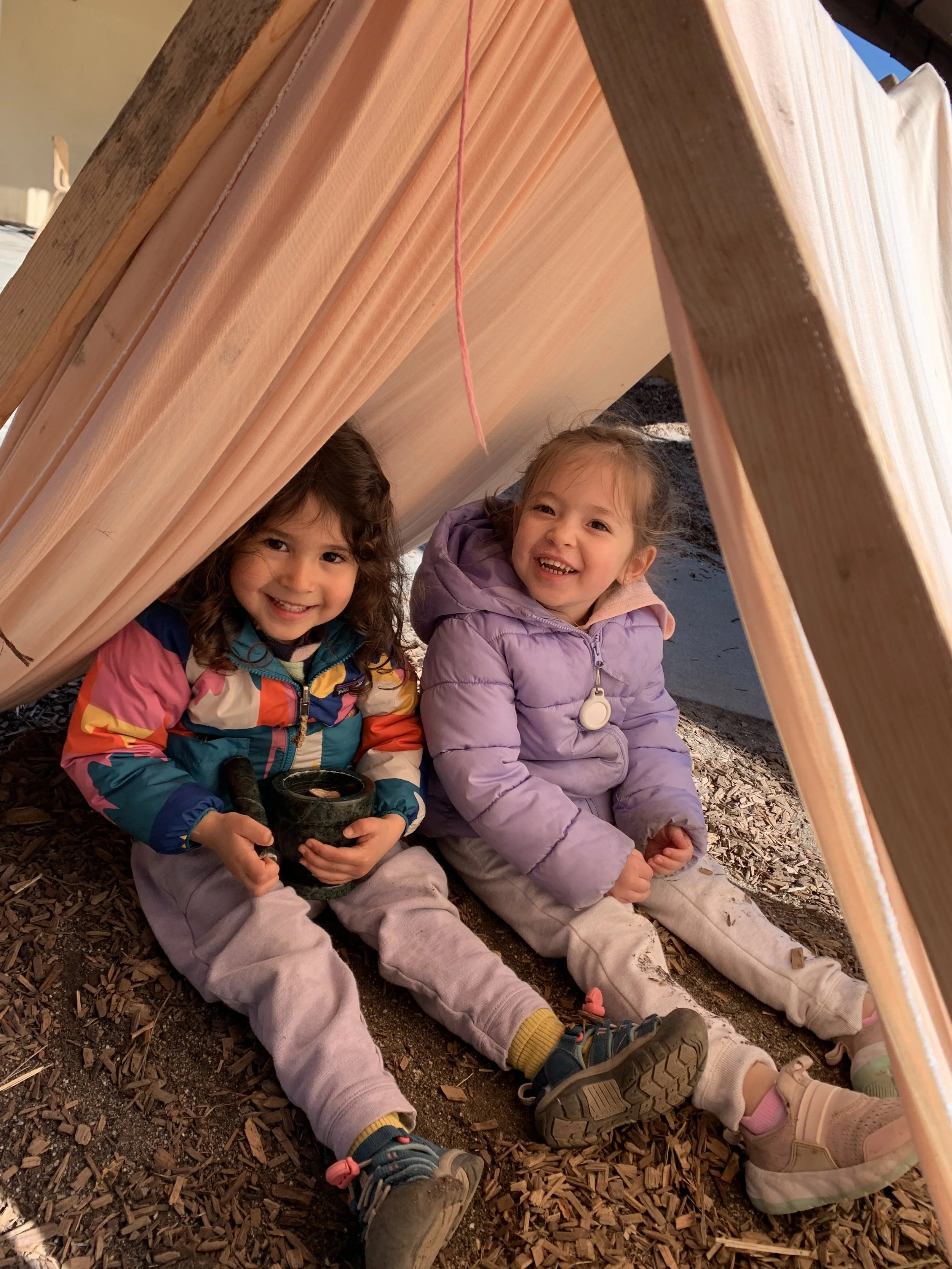
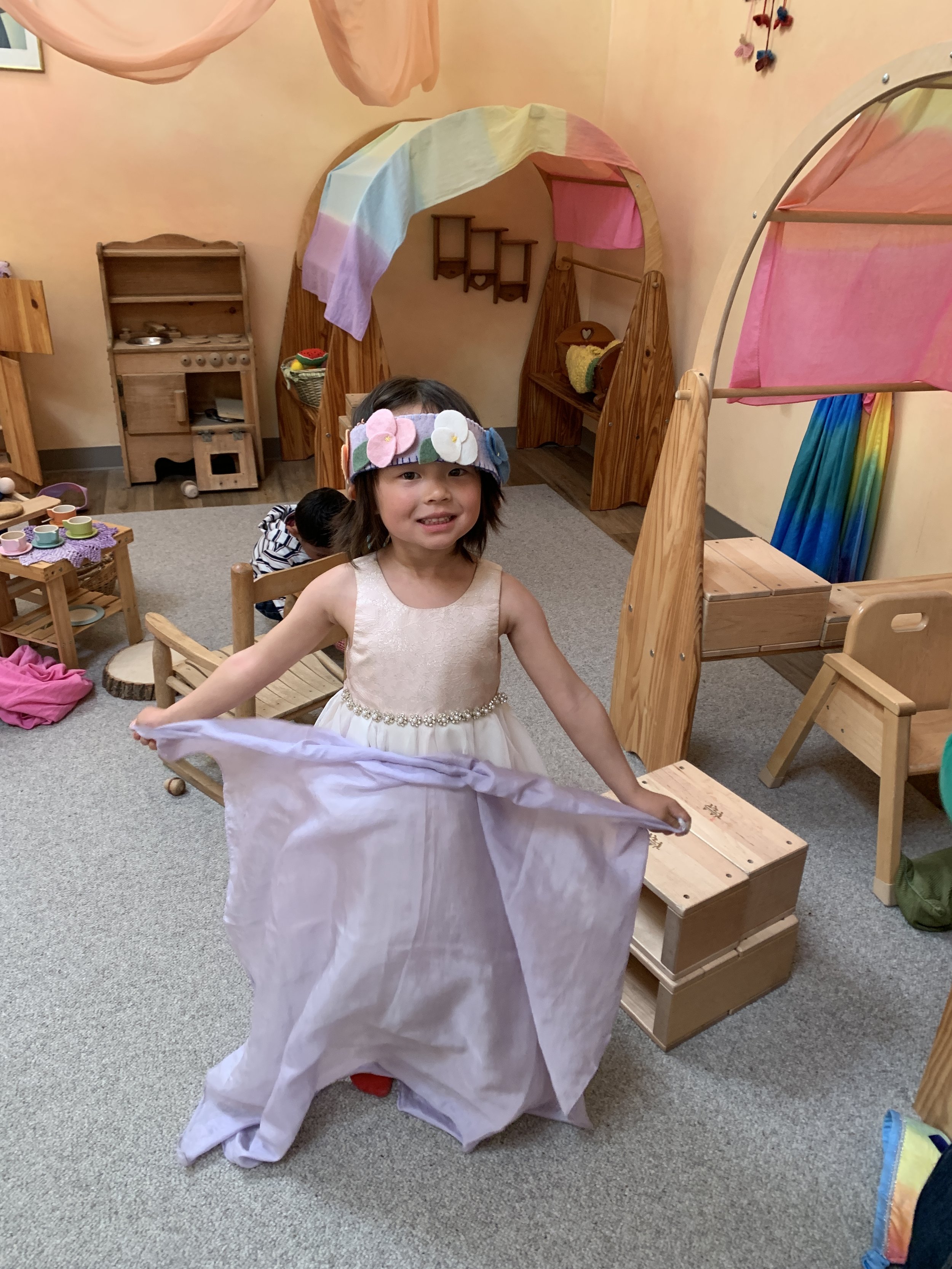
Our Preschool provides a warm and home-like environment for the 2 1/2 and 4-year-olds’ first steps into school. This gentle transition is a graceful journey guided with tenderness and reverence by our teachers.
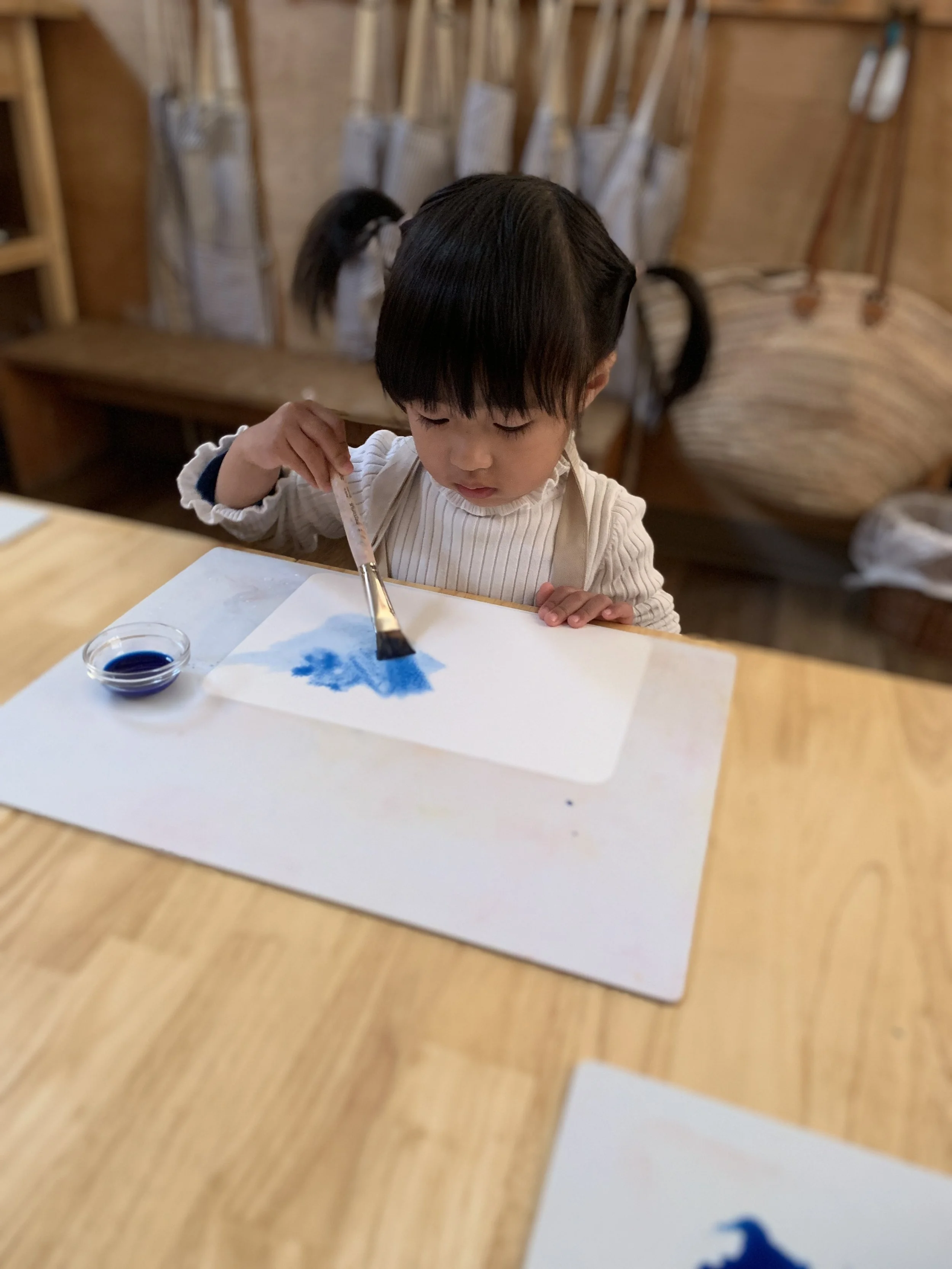
A rich play-based program nourishes the magic of childhood by allowing children to explore the world through all their senses, stimulating their creativity through free play and storytelling, and developing both their motor skills and burgeoning sense of confidence through the practical arts.
Mixed-Age Kindergarten (ages 4 1/2 – 6+ by June 1)
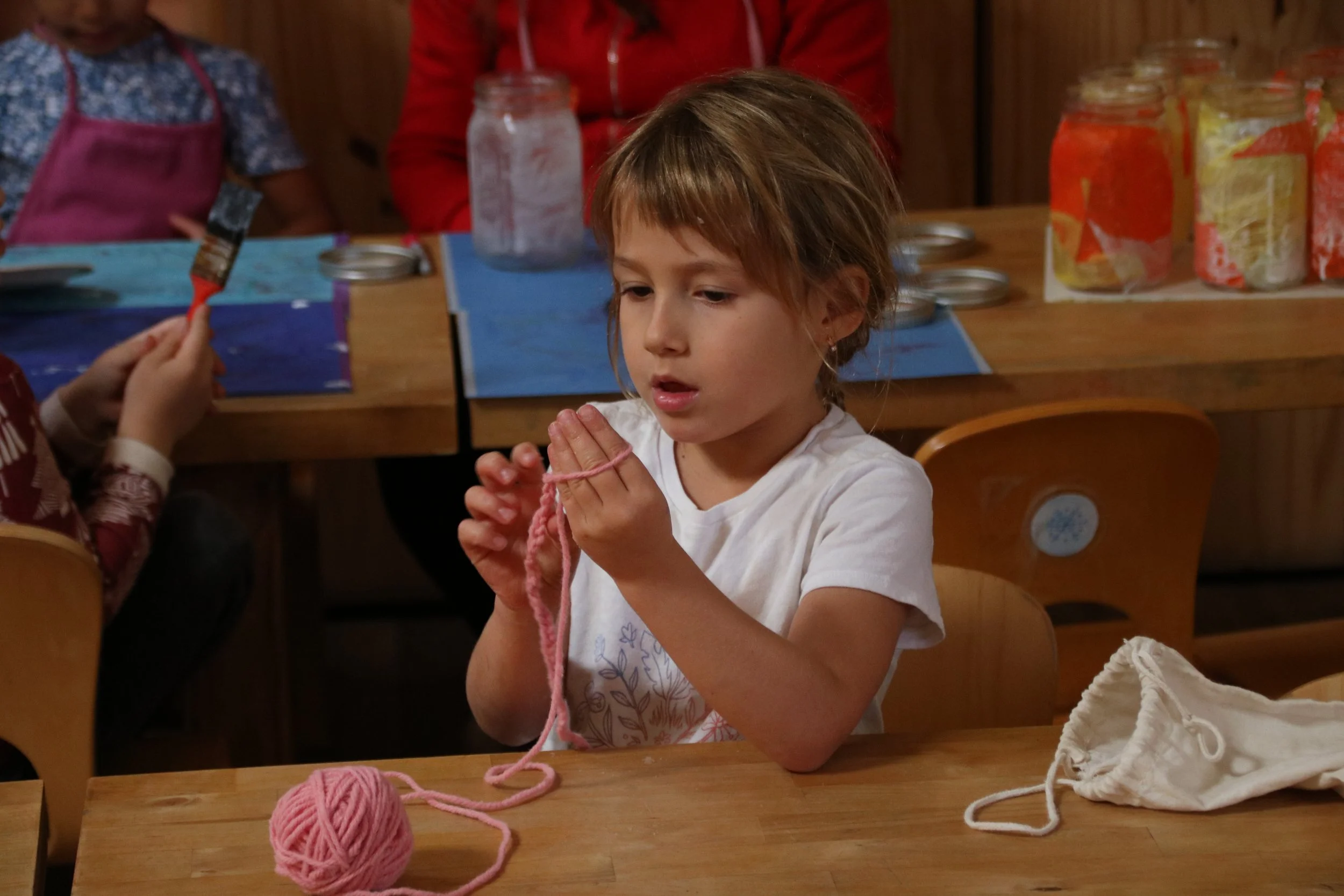
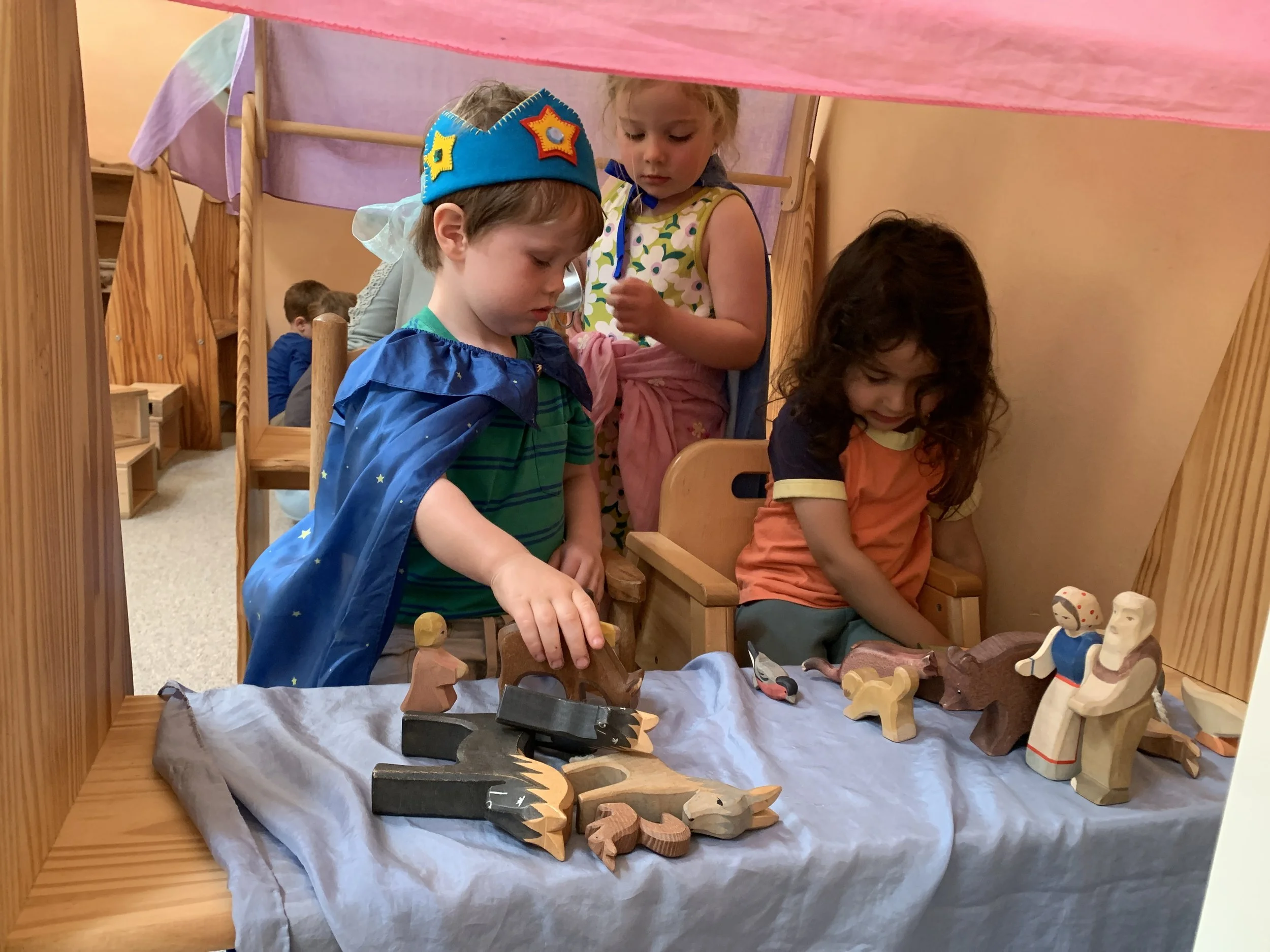
In our mixed-age kindergarten, children ages four to six learn through imaginative play, purposeful work, storytelling and puppet plays, and artistic and practical activities such as watercolor painting, beeswax modeling, seasonal crafts, and baking. The kindergarten is typically attended for two years, forming a unified experience that may be thought of as encompassing both a transitional kindergarten (TK) and kindergarten year within the same classroom.
This two-year rhythm allows for deepening relationships between child, teacher, and parent, enabling more attuned support of each child’s individual developmental path. The mixed-age grouping also enriches the social fabric of the class. Older children naturally take up roles of quiet leadership and responsibility, often guiding younger peers through example and care. In turn, the younger children are inspired by the older children’s capacities and find reassurance in their presence. Within this social dynamic, a culture of cooperation, imitation, and mutual respect unfolds.
As children return for a second year of kindergarten, they are often more inwardly settled, with greater capacity for sustained engagement, complex imaginative play, and self-initiated activity. This extended time in the kindergarten environment supports the gradual maturation of the foundational senses and allows the child to meet the coming tasks of formal schooling with confidence and ease.
In the winter of the second year, each child is observed and assessed through a comprehensive first grade readiness process, which considers the whole child, physically, socially, and developmentally.
Through joyful participation in the life of the kindergarten, children develop healthy sensory integration, imaginative flexibility, confidence in themselves, and awareness of others. They build the inner readiness that allows the transition into academic learning to unfold naturally. When they enter first grade, they bring with them the capacity to engage with letters and numbers not only with their intellect, but with their whole being; through movement, rhythm, memory, and will.