
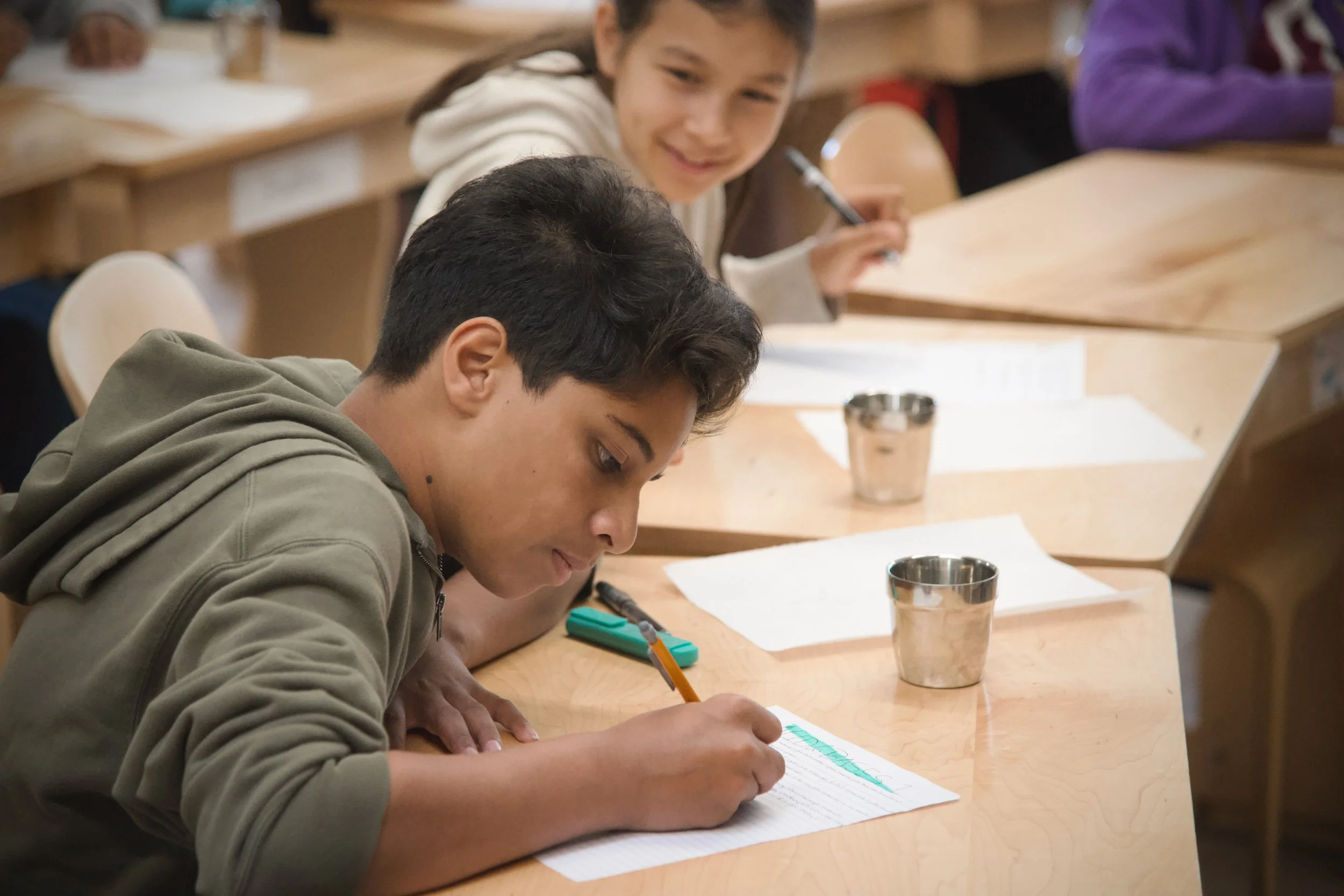
Intentionally Low-Tech. Exceptionally Prepared.
At WSP, every classroom is phone-free. Students build the skills, focus, and connections they need to approach technology with discernment and intention—not dependence and distraction.
At WSP, we don't reject technology—we time it developmentally.
In Silicon Valley, we're at the epicenter of innovation.
But we're witnessing what unlimited screen time is doing to our children.
✖ Children average 7+ hours of screen time daily—more than they spend in school [1]
✖ Teen anxiety and depression have doubled since smartphones became ubiquitous [2]
✖ 71% of teachers report media use has hurt students' attention spans [3]
✖ 60% of teachers say screens have damaged face-to-face communication skills [3]

The Science is Clear
In his groundbreaking 2024 book The Anxious Generation, psychologist Jonathan Haidt reveals we're witnessing the first generation raised with smartphones from early childhood—and the effects are profound. [2]
Haidt calls it "the great rewiring of childhood." When children spend formative years primarily with screens rather than people, nature, and hands-on experiences, crucial developments suffer:
Brain pathways change, affecting reading and imagination [4]
Attention spans shorten from constant stimulation
Social skills weaken without face-to-face practice [5]
Mental health declines as screens replace real connection [2]
On Neil deGrasse Tyson’s StarTalk podcast, Jonathan Haidt discusses the impact of technology on student development—and highlights Waldorf education as part of the conversation. (Oct. ’25)
WSP’s phone-free, low-tech approach isn’t a reaction to headlines—it’s a long-standing, developmentally grounded choice.
-
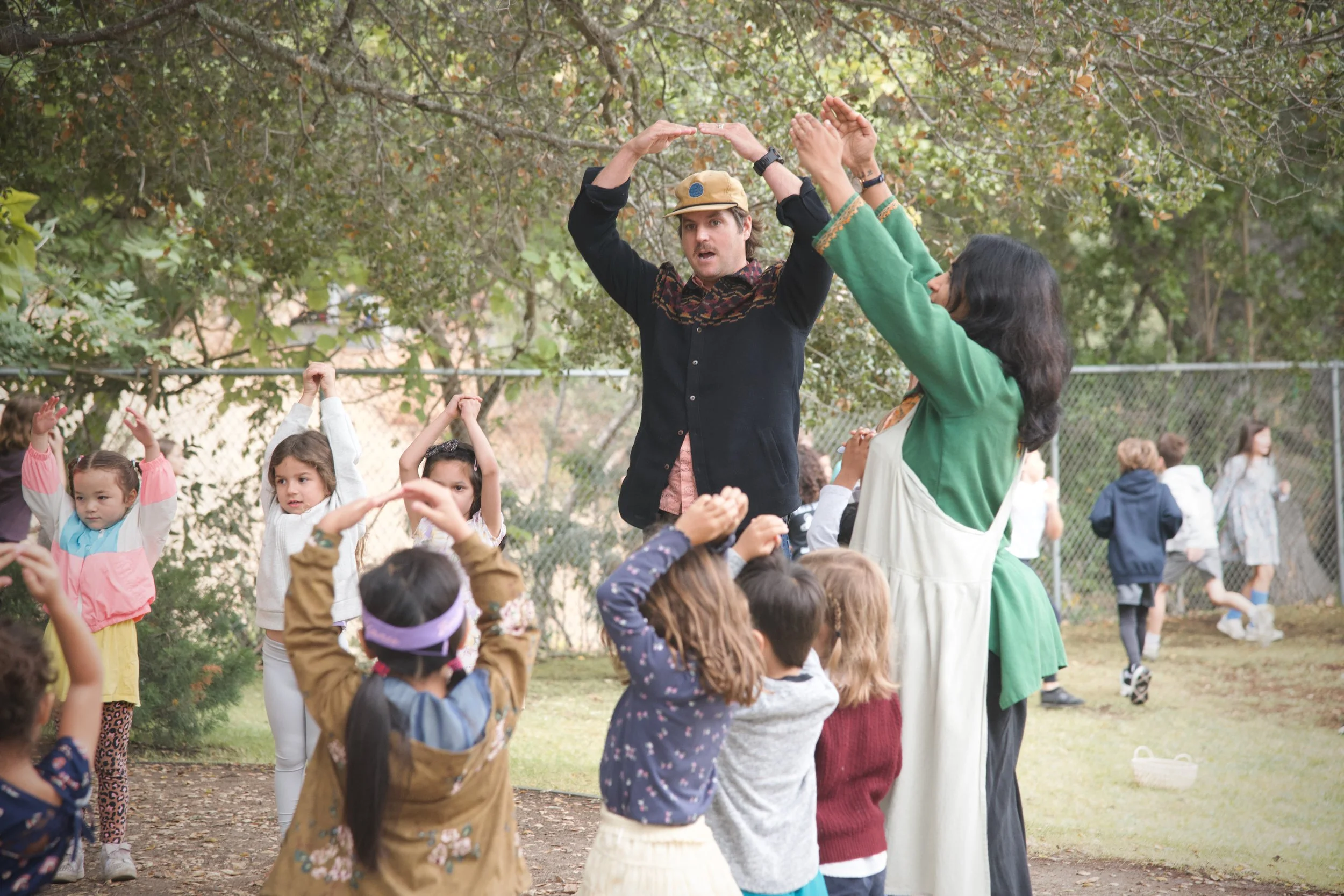
Preschool-Grade 5: Screen-Free
What children need: To develop strong bodies, active senses, and rich imaginations
Our approach: Days filled with singing, storytelling, painting, and handwork like knitting and woodworking. Students bake bread, tend gardens, and spend hours outdoors—climbing, building, playing, and exploring nature in all seasons. Learning happens through movement and rhythm, not worksheets. Every activity engages the hands, the senses, and the whole child.
Why it works: This is when brains are developing most rapidly. Time spent climbing trees, painting, kneading dough, and playing with friends builds the neural pathways, physical coordination, and social-emotional foundations that screens cannot develop.
-
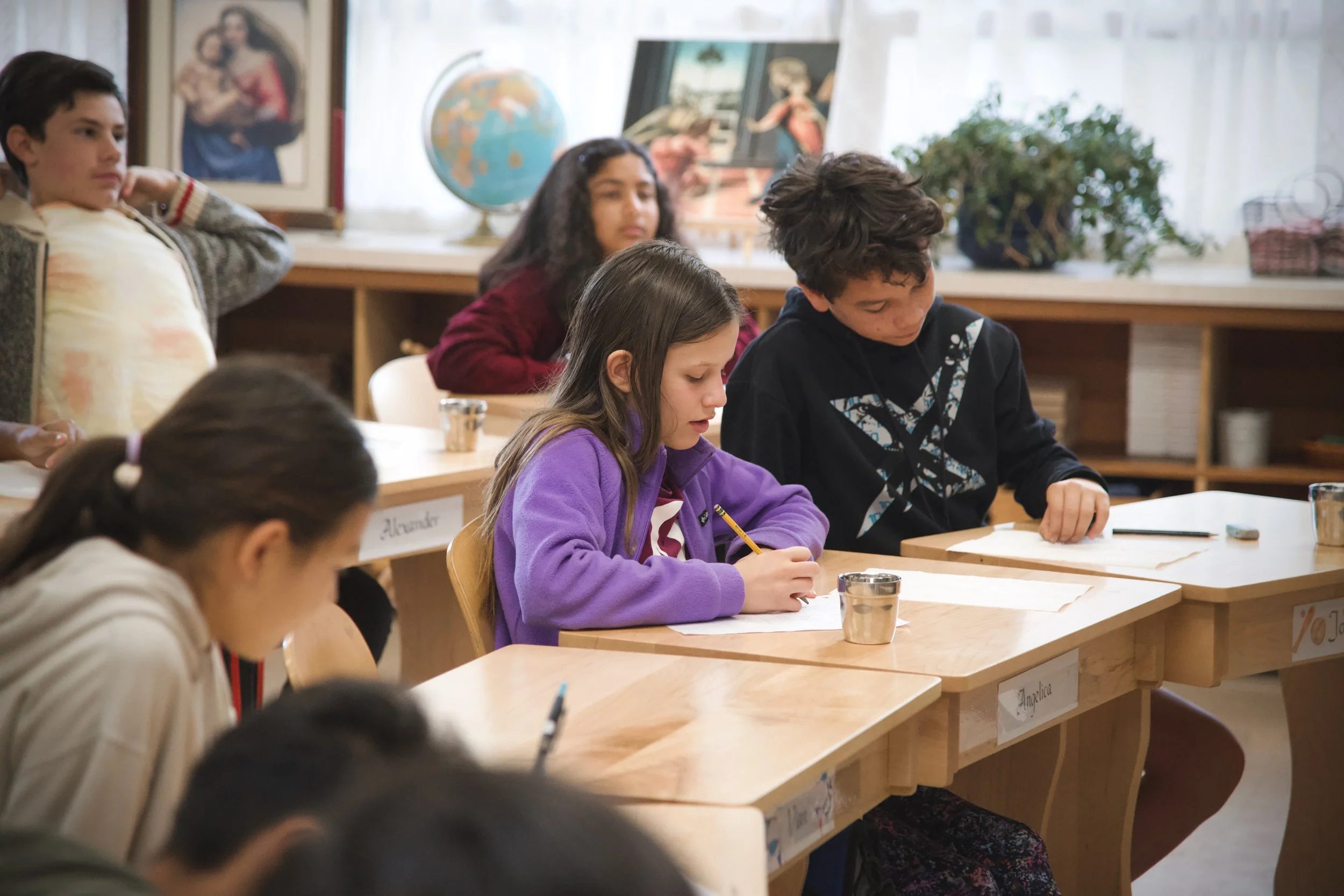
Grades 6-8: Thoughtfully Limited
What middle-schoolers need: Time to develop critical thinking and independence before digital immersion
Our approach: Minimal, purposeful technology use. Learning happens primarily through hands-on work, discussion, and direct experience. Teachers occasionally project educational films or images, but classroom work is done by hand. At home, students learn to word-process reports and research topics online—but only after learning to evaluate credible sources. By 8th grade, students may incorporate digital tools into their culminating projects.
Why it works: Students develop the capacity for deep focus, critical evaluation, independent thought, and discernment they'll need before technology becomes a daily tool.
-
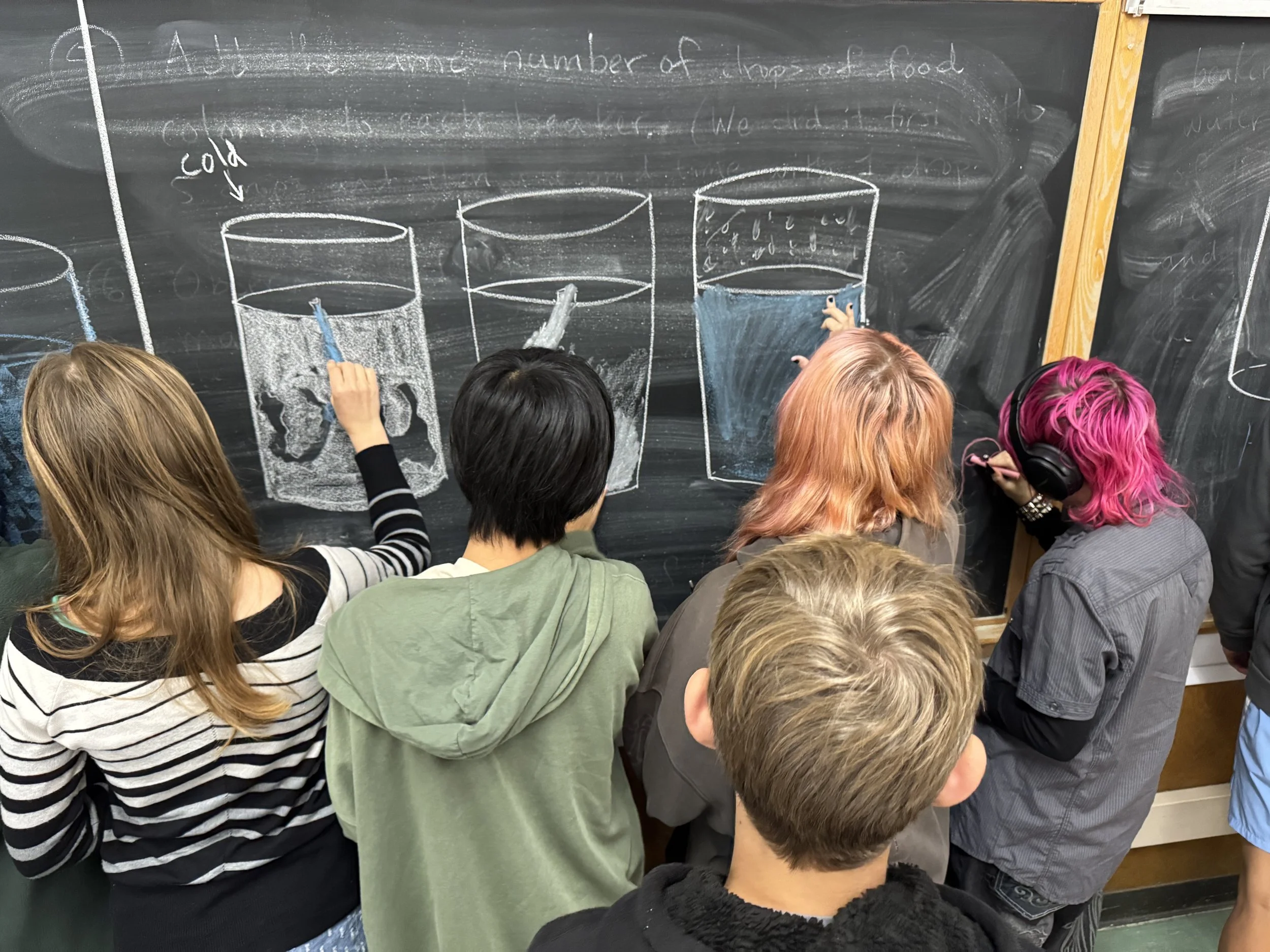
Grades 9-12: Tech as a Tool
What high-schoolers need: Critical thinking skills and purposeful tech fluency for college and careers
Our approach: Students use technology as creators and critical thinkers—building projects and films, analyzing data, coding programs, creating multimedia presentations, and examining how AI and social media shape language and bias. They learn to instruct AI, compare algorithmic outputs to primary sources, and distinguish between human and machine-generated work.
Why it works: Students approach technology with discernment—using it to amplify their ideas, not replace their thinking. They graduate as skilled creators who understand both technology's power and its limitations.
Our commitment to device-free learning continues to garner national attention.
Click on the icons below for media highlights:




“But won’t my child fall behind?” And other FAQs…
-
This is every parent's concern. Here's why the opposite is true:
Digital skills are learned fast. Stanford research shows children who delay technology actually develop stronger digital literacy when they do engage, because they bring better critical thinking. [7]
What's hard to build later? The World Economic Forum identifies the most valuable 21st-century skills as critical thinking, creativity, problem-solving, and emotional intelligence—not technical skills. [8]
Silicon Valley leaders agree. Many tech executives—including those who designed the platforms dominating our world—choose low-tech education for their own children. They understand that early screens aren't necessary for tech success. [9]
-
We are preparing them with skills that matter most: critical thinking, creative problem-solving, collaboration, and the ability to maintain their humanity amid constant technological change. Tech leaders often credit these exact qualities for their success.
-
In high school, students use technology purposefully for academics. Before that, homework emphasizes hands-on projects, reading, writing, and creative work that builds neural pathways screens cannot develop.
-
We're not asking you to eliminate technology at home. We're offering your child a refuge during school hours where they can develop the full range of human capabilities. Many Silicon Valley parents choose WSP precisely because they understand technology's power - and its limits.
-
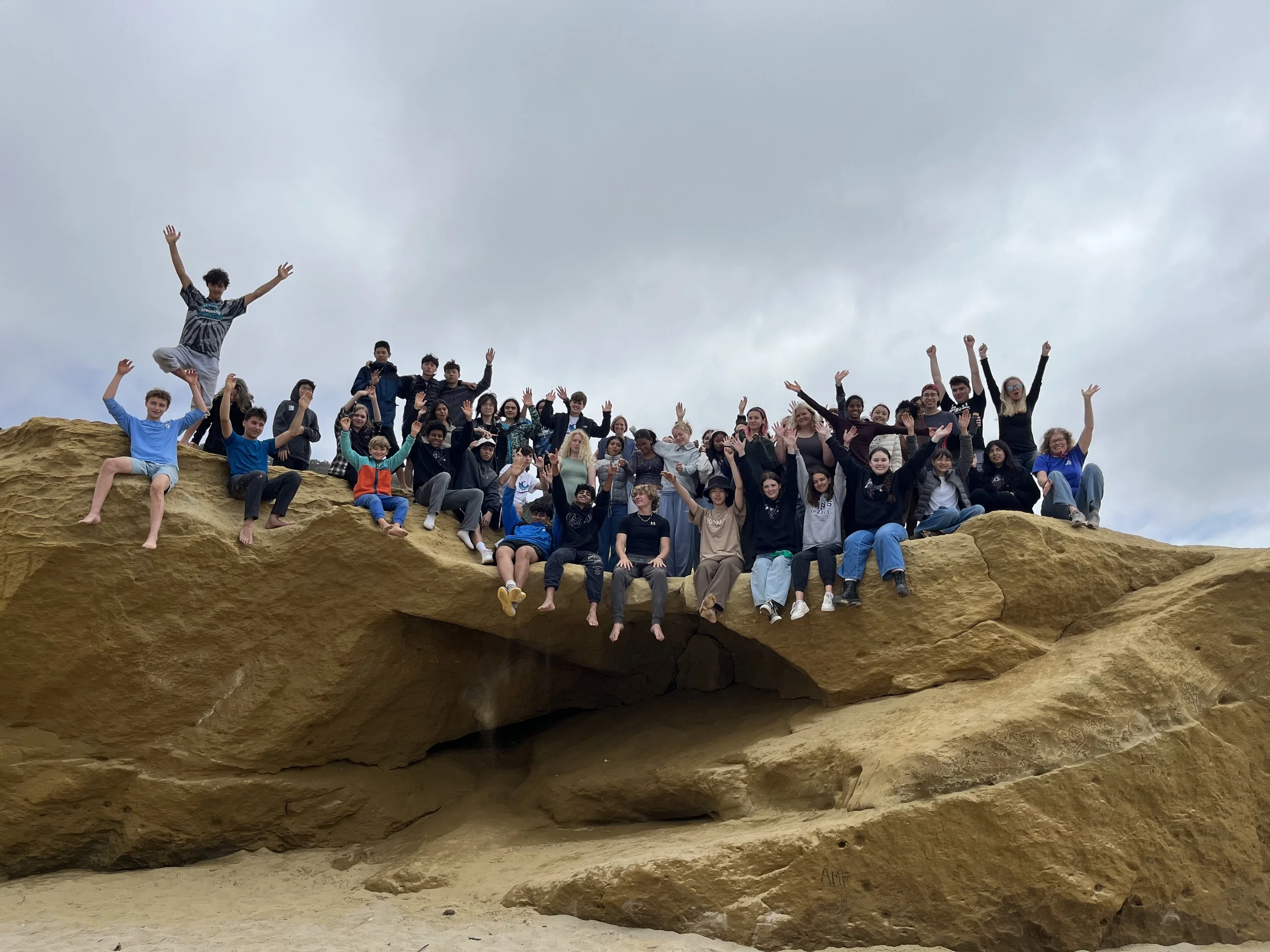
WSP students form deep, authentic friendships through shared experiences - arts, music, sports, drama, projects. They're not comparing themselves to curated social media personas. They're learning to be comfortable in their own skin.

WSP gives children something rare: time to become fully themselves before the digital demands begin.
Our students develop a strong sense of self before algorithms tell them who to be. We uniquely provide what children need now more than ever:
Face-to-face connection practice before being evaluated by likes
The mental space that sparks creativity and independent thinking
Physical confidence and deep focus
Genuine friendships based on shared experiences
Strong technological literacy and discernment
Exceptional critical thinking abilities
Robust social and emotional intelligence
From a Parent...
"The transformation in our daughter has been remarkable. Within months of starting at WSP, she was calmer, more creative, genuinely excited about learning. She comes home talking about what she's discovering, not what's on social media. As parents in tech ourselves, we know the power and perils of screens. That's exactly why we chose WSP."
— Priya K., Parent of 3rd and 9th Graders

The best way to understand WSP’s approach is to experience it.
Join us on campus to observe students who are genuinely engaged and a palpable sense of community and belonging.
References
Common Sense Media (2024). "The Common Sense Census: Media Use by Tweens and Teens." Retrieved from commonsensemedia.org
Haidt, J. (2024). The Anxious Generation: How the Great Rewiring of Childhood Is Causing an Epidemic of Mental Illness. New York: Penguin Press.
Gallup Poll (2023). "Teachers Report Impact of Digital Media on Student Learning and Attention."
Christakis, D. A. (2019). "Interactive Media Use at Younger Than the Age of 2 Years." JAMA Pediatrics, 168(5), 399-400.
Twenge, J. M. (2017). iGen: Why Today's Super-Connected Kids Are Growing Up Less Rebellious, More Tolerant, Less Happy—and Completely Unprepared for Adulthood. New York: Atria Books.
UNESCO (2023). "Technology in Education: A Tool on Whose Terms?" Global Education Monitoring Report.
Bavelier, D., Green, C. S., & Dye, M. W. (2010). "Children, Wired: For Better and For Worse." Neuron, 67(5), 692-701.
World Economic Forum (2023). "Future of Jobs Report 2023."
Bowles, N. (2018). "A Dark Consensus About Screens and Kids Begins to Emerge in Silicon Valley." The New York Times.