Why Waldorf Students Knit, Sew, and Felt… And Why It Matters
If you've ever wondered why a Waldorf student might spend an afternoon knitting a sock or wet-felting a small animal, the answer goes deeper than craft. At WSP, Handwork is a full academic subject, taught every year from first grade through eighth, and it's one of the most intentional threads running through the entire curriculum.
It Starts With the Hands
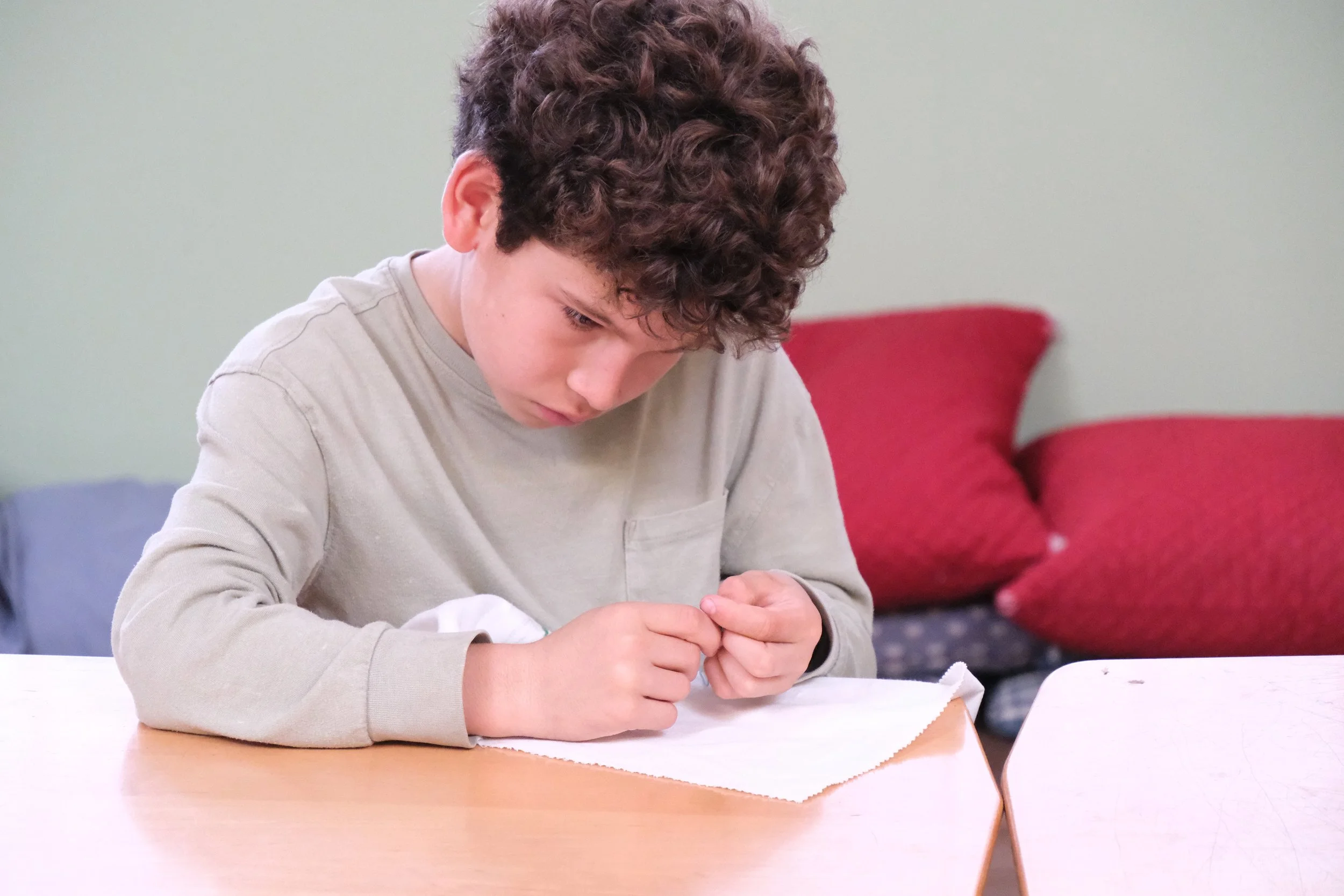
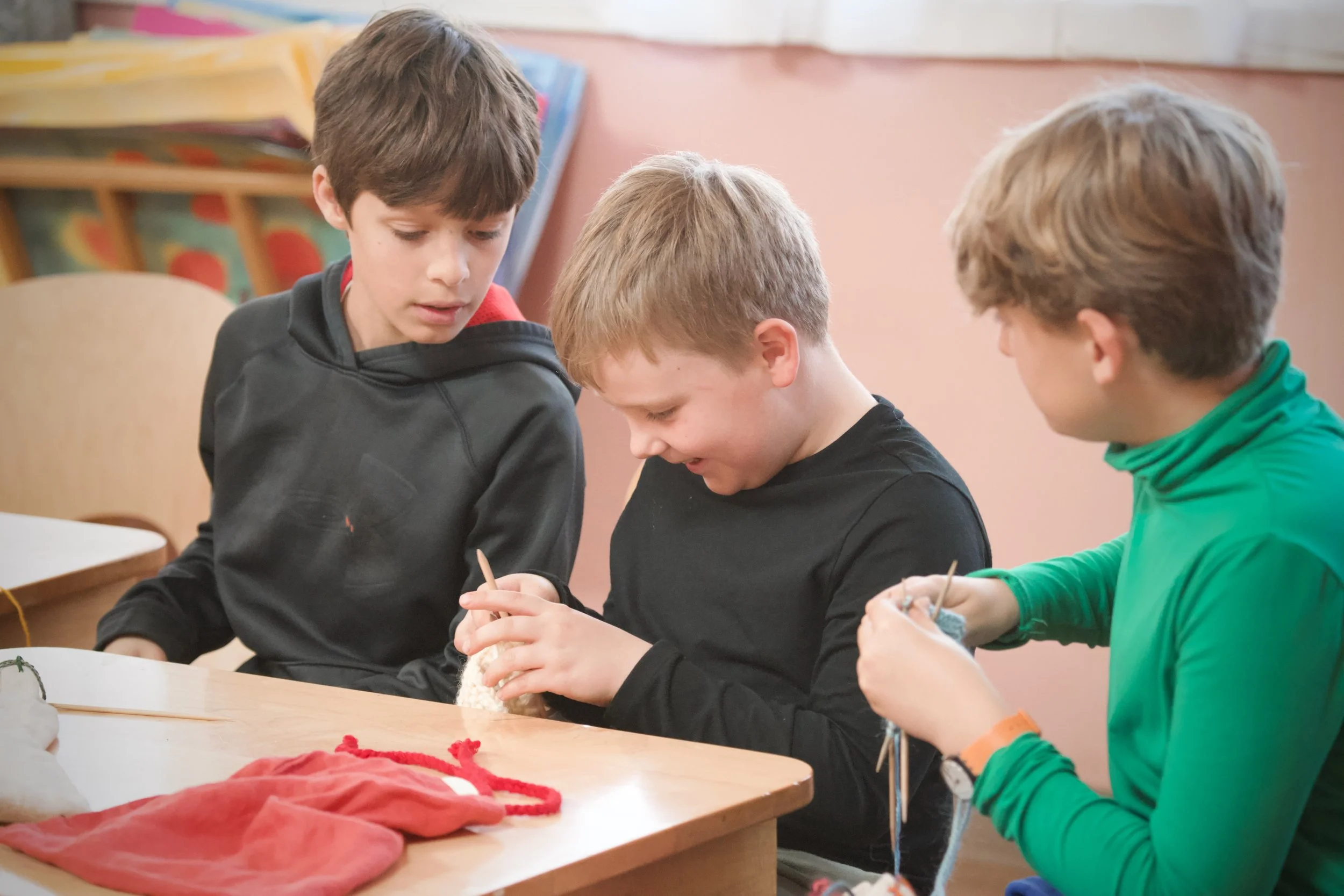
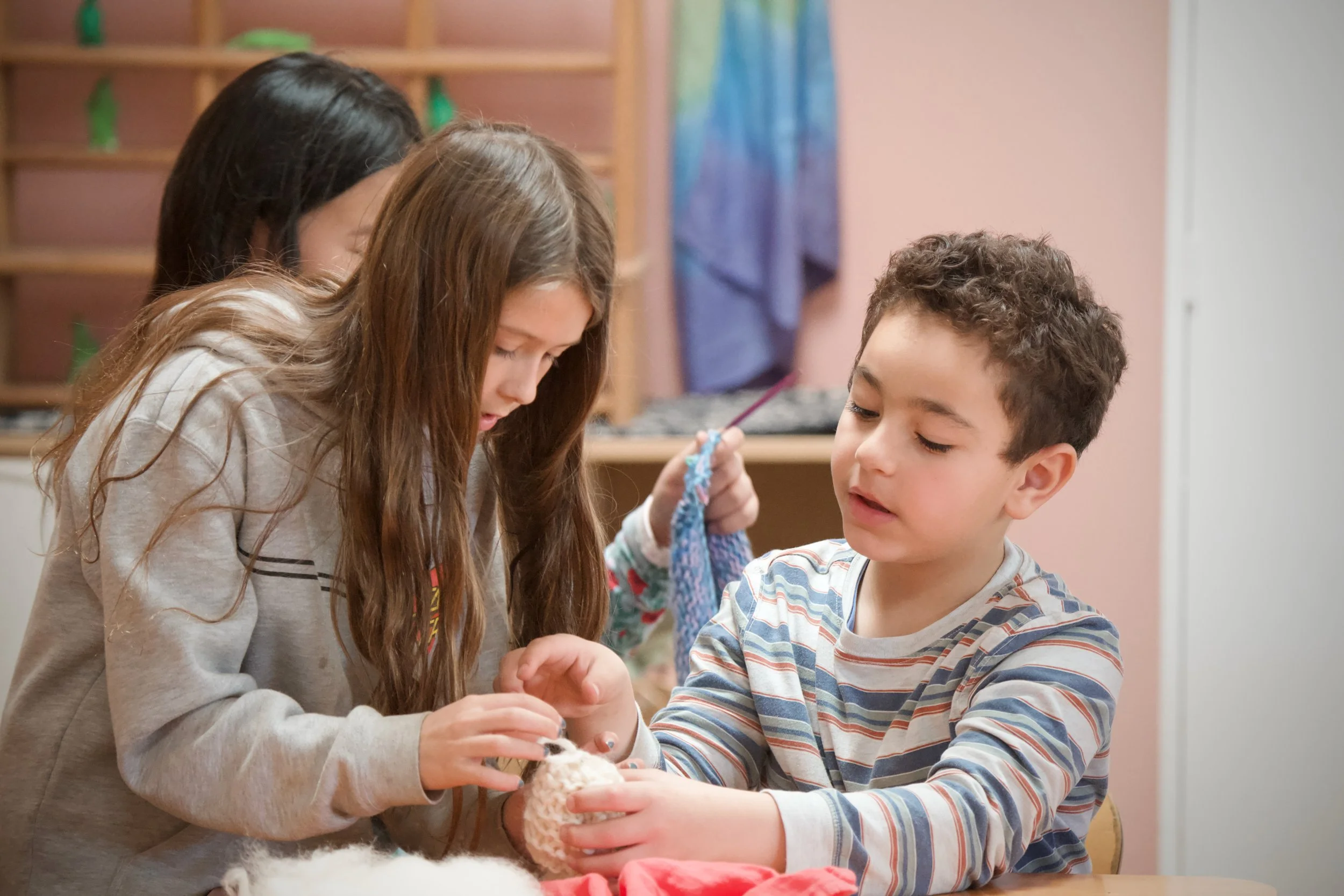
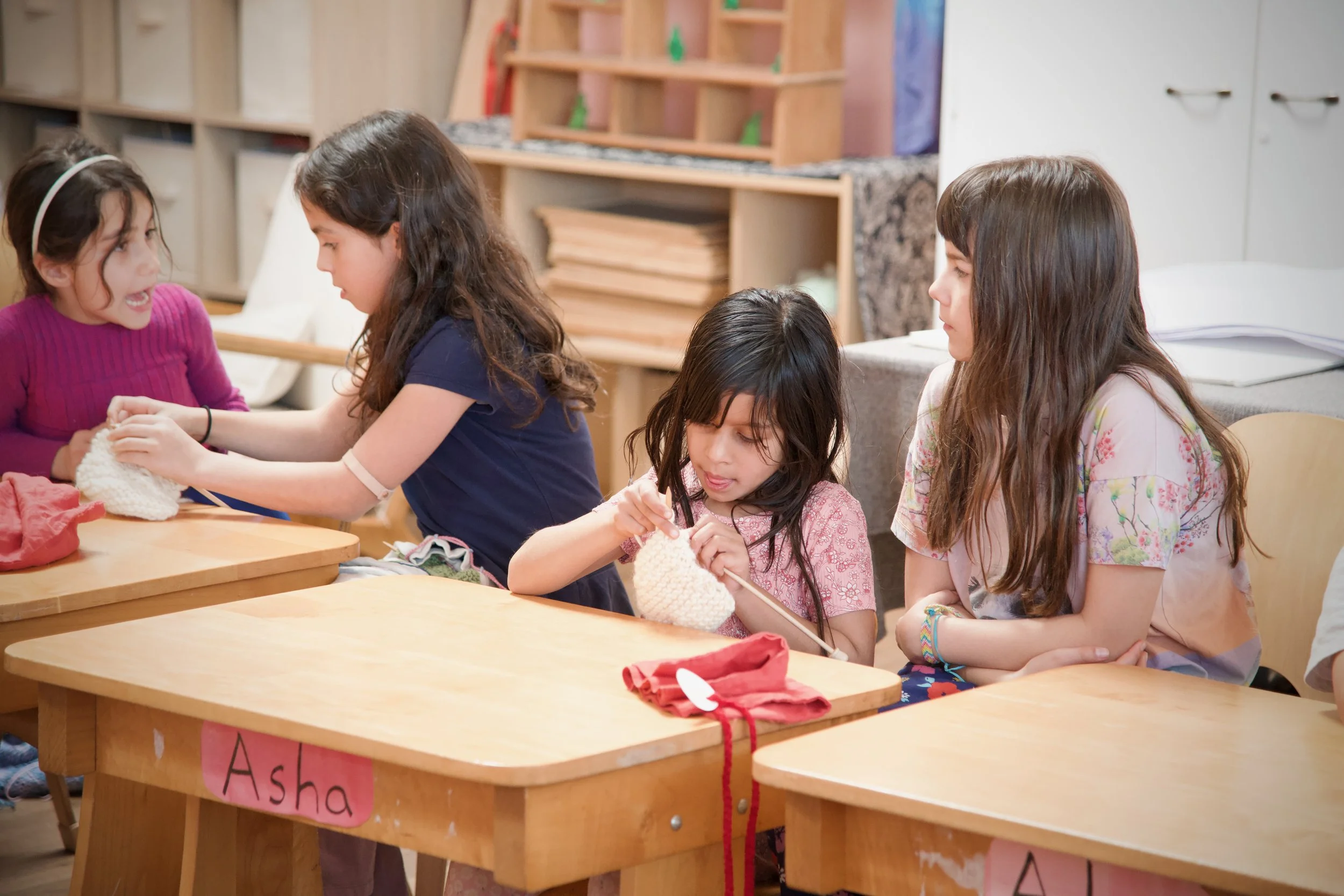
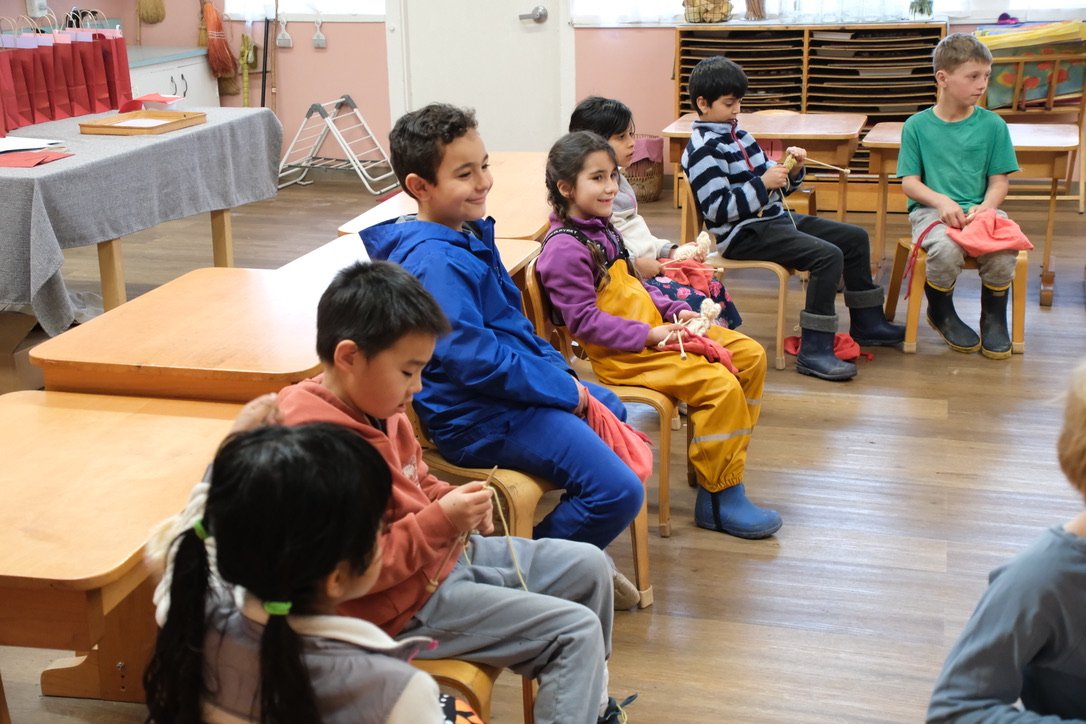
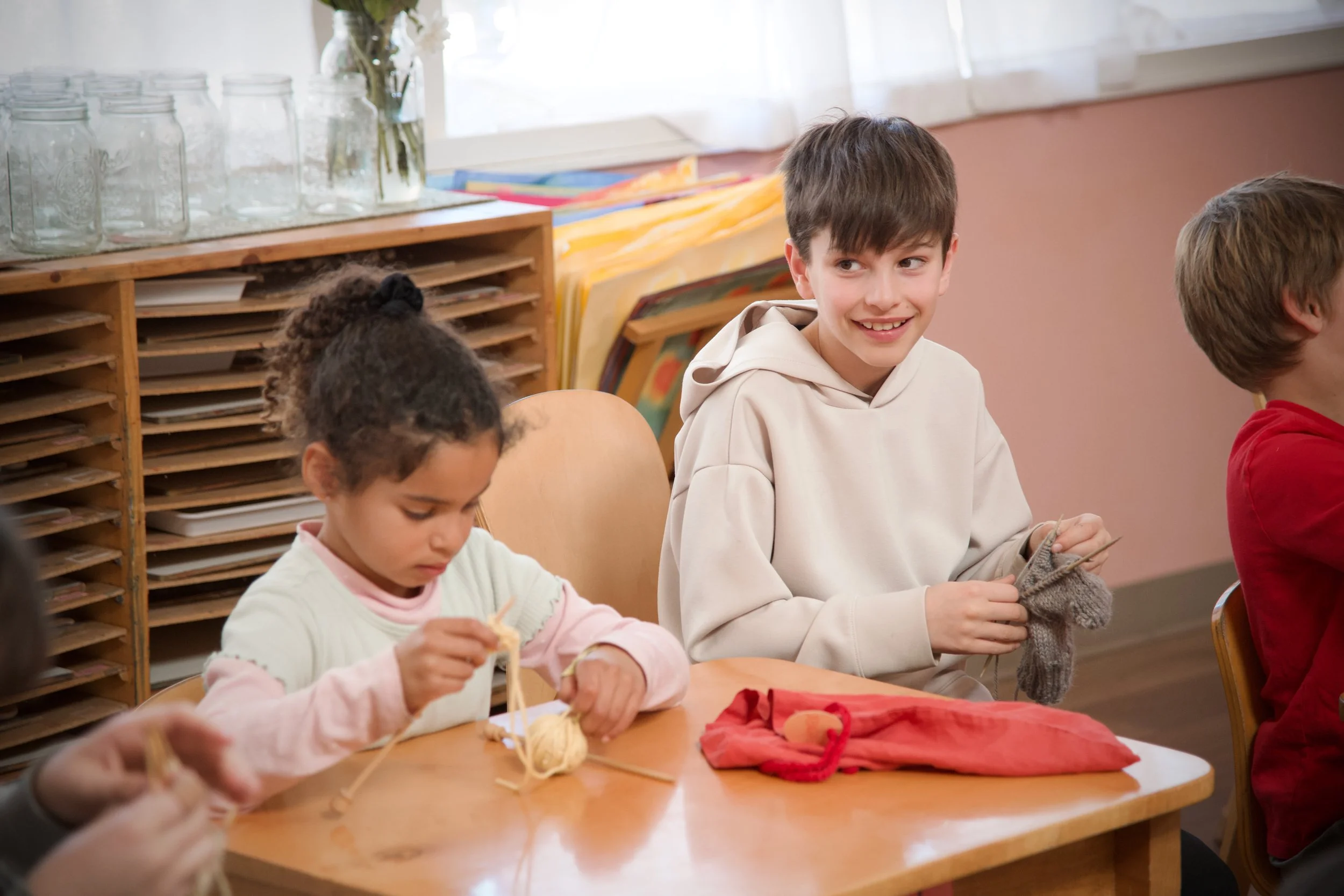
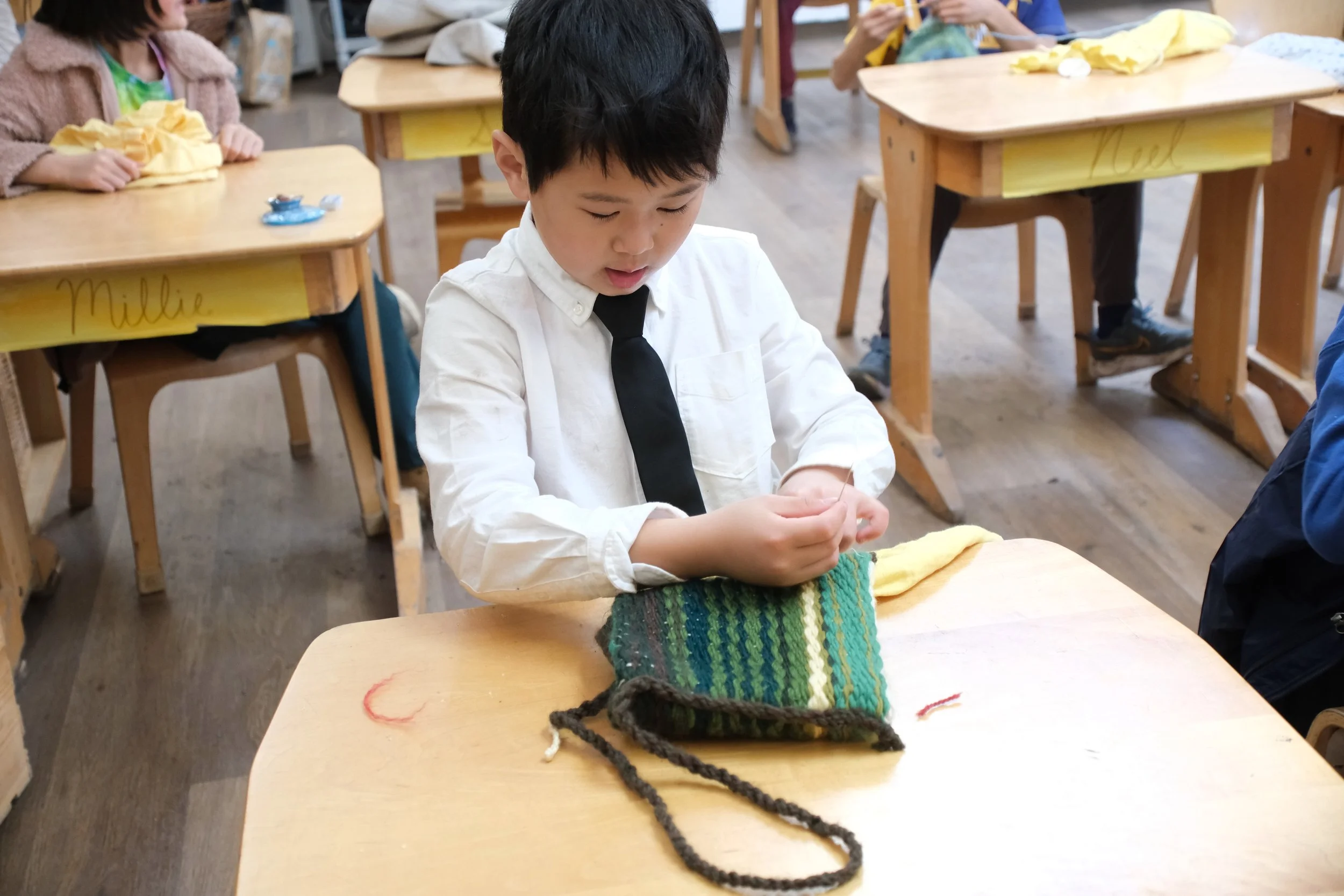
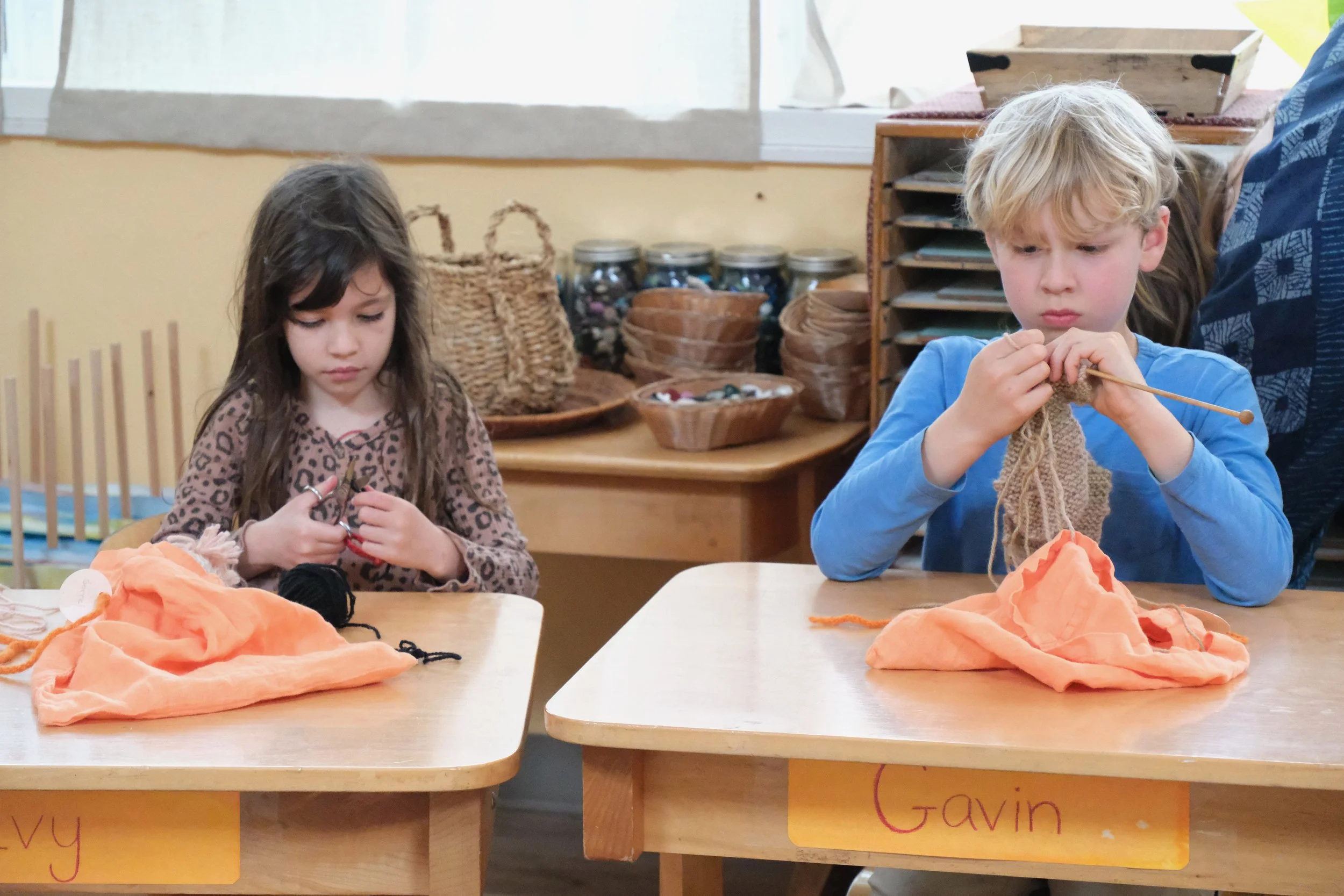
In first grade, the premise is simple and profound: our hands are our most important tools. Students begin by finger-knitting, shaping knitting needles from wooden dowels, and learning to cast on and knit a basic stitch. But woven into every project are skills that extend far beyond the craft table — counting stitches across all four math operations, tracking left-right movement (a direct precursor to reading), and sustaining focus for increasingly longer stretches of time.
This is Handwork's quiet genius: it teaches children how to learn.
Growing With the Child
What makes WSP's Handwork curriculum distinctive is how precisely it mirrors child development. Each grade's projects are chosen not just for their skill level, but for where children are emotionally and cognitively.
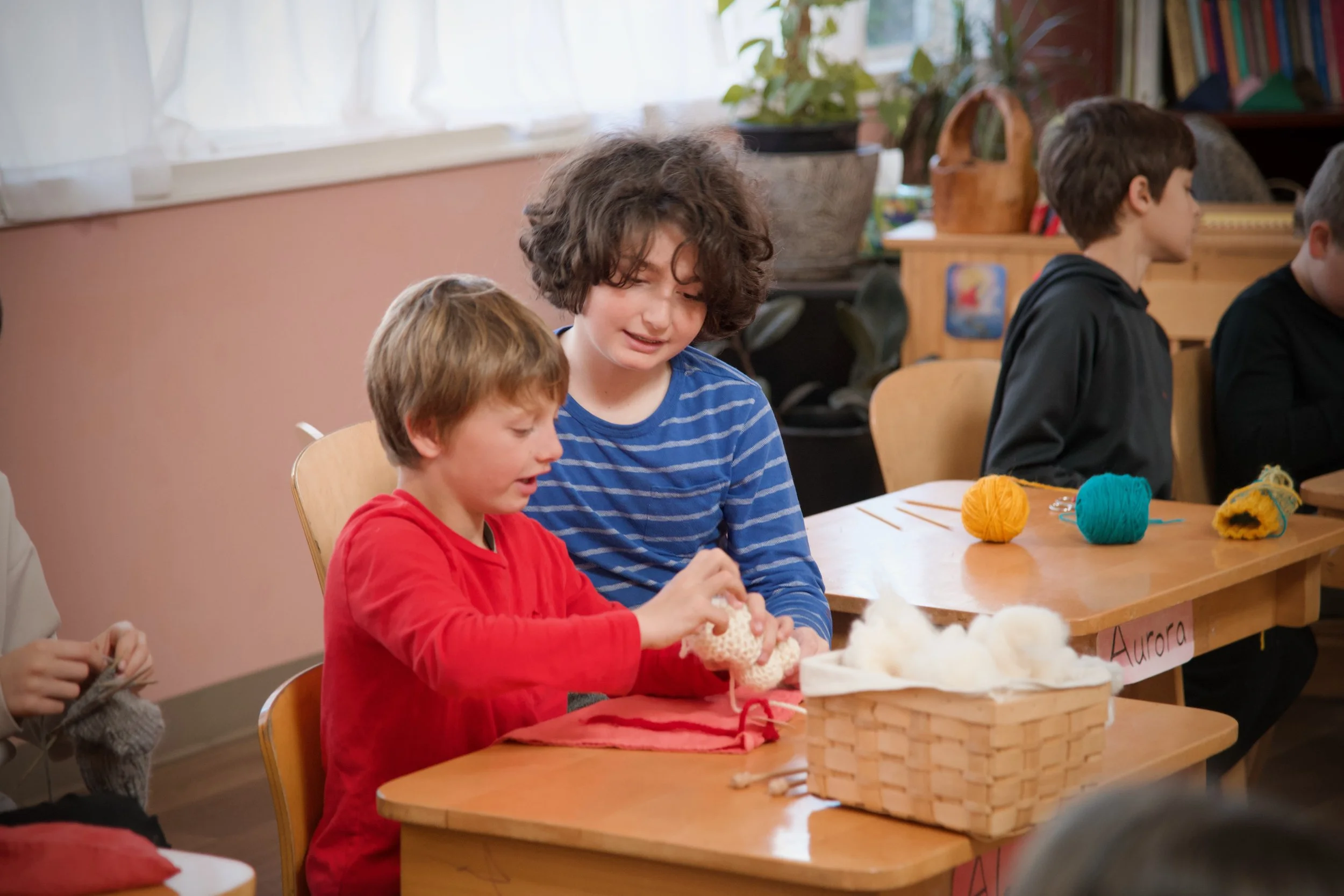
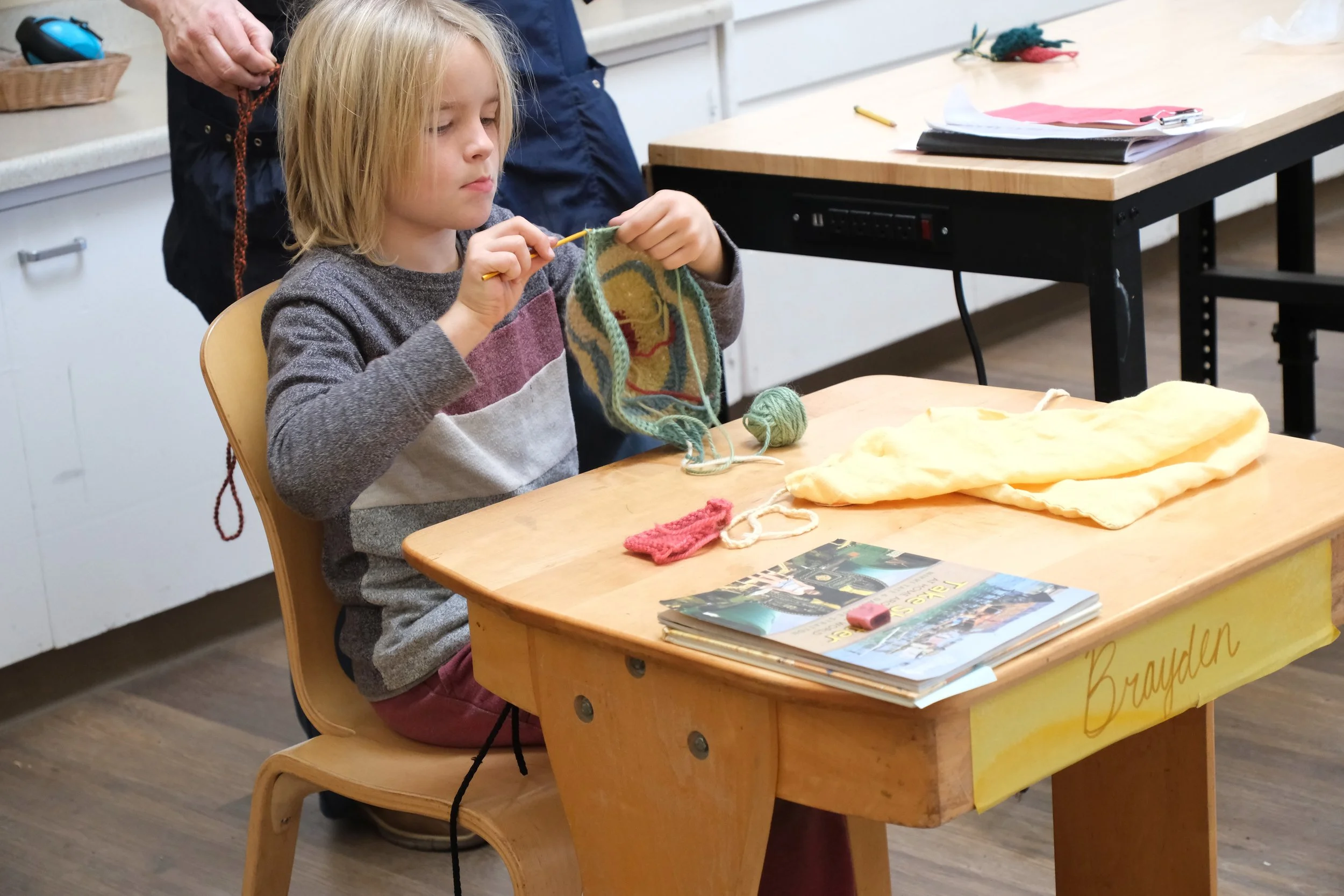
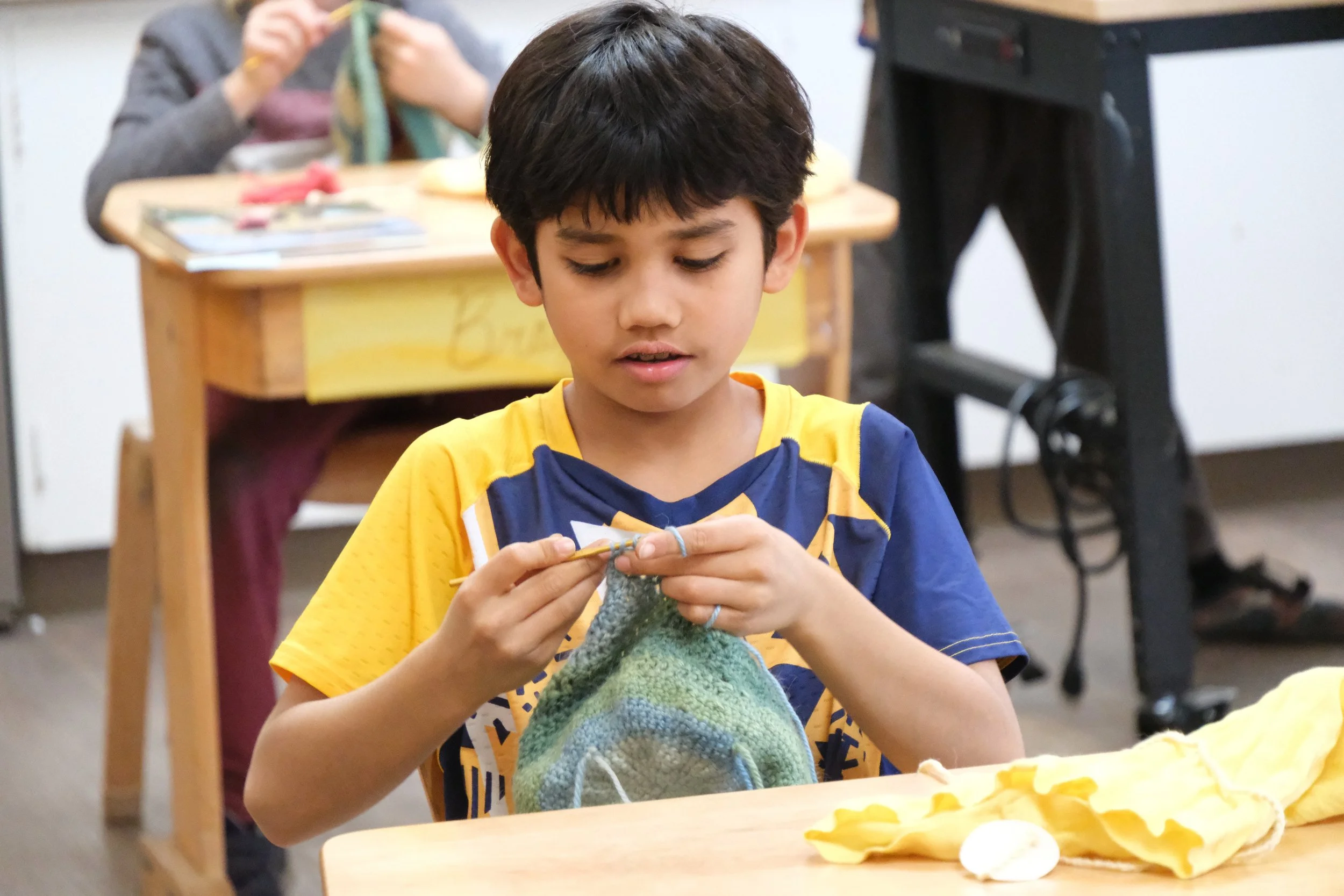
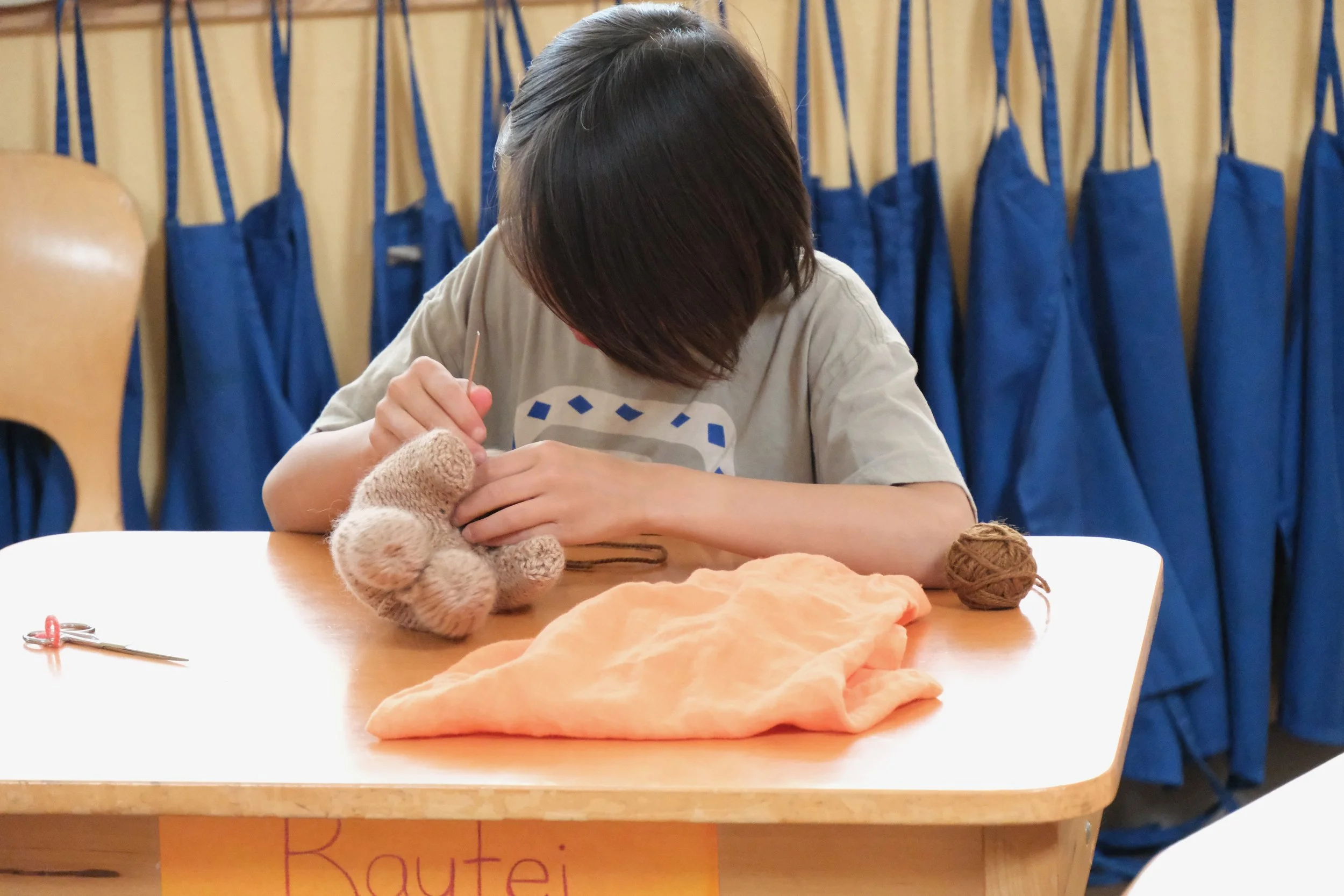
In third grade, when children typically experience the "nine-year change" — a developmental shift in which they begin to feel more separate from the world around them — students work with the sphere. Wet-felted balls, crocheted hats, round forms in every direction. The wholeness of the circle is a quiet antidote to the new feeling of separateness.
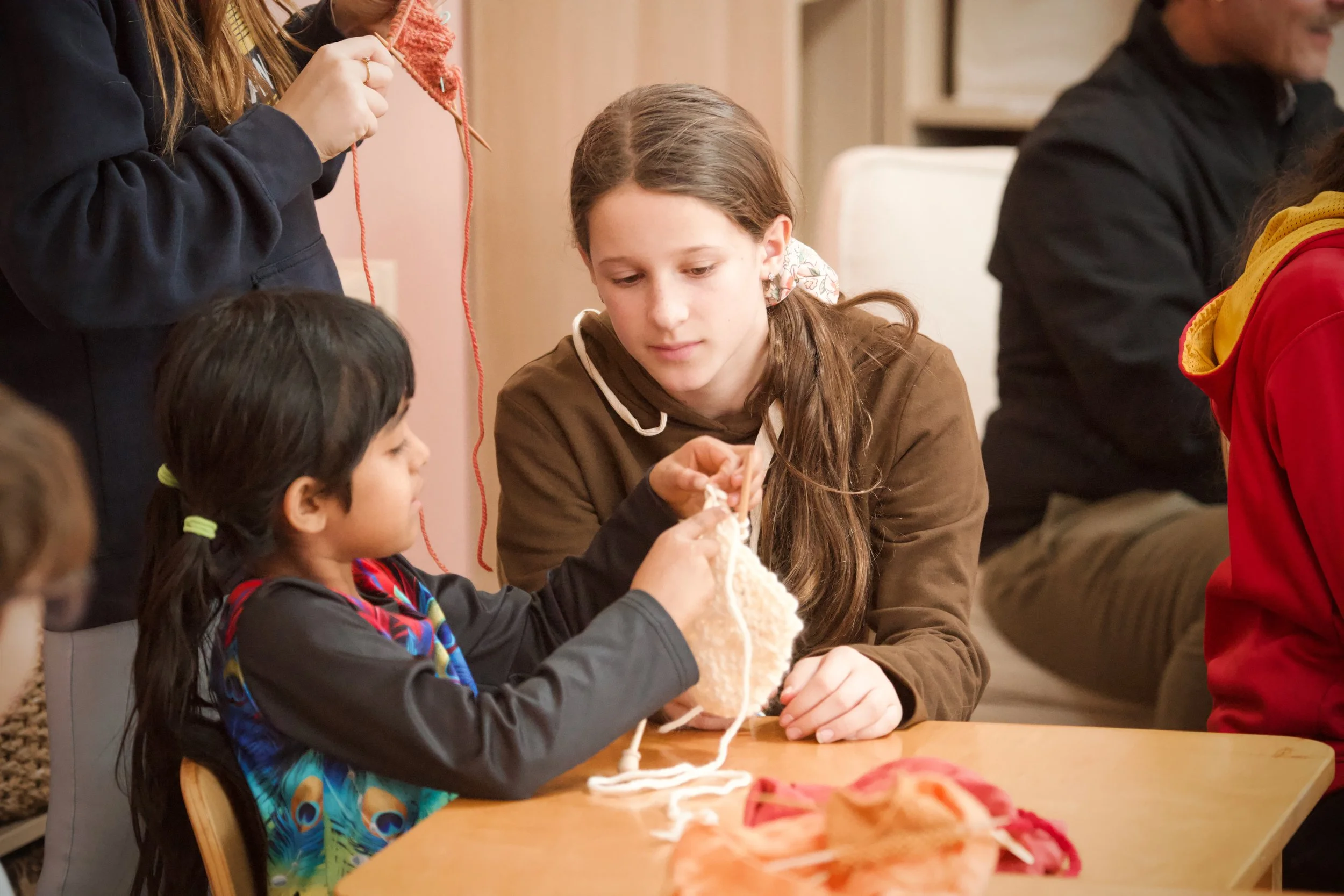
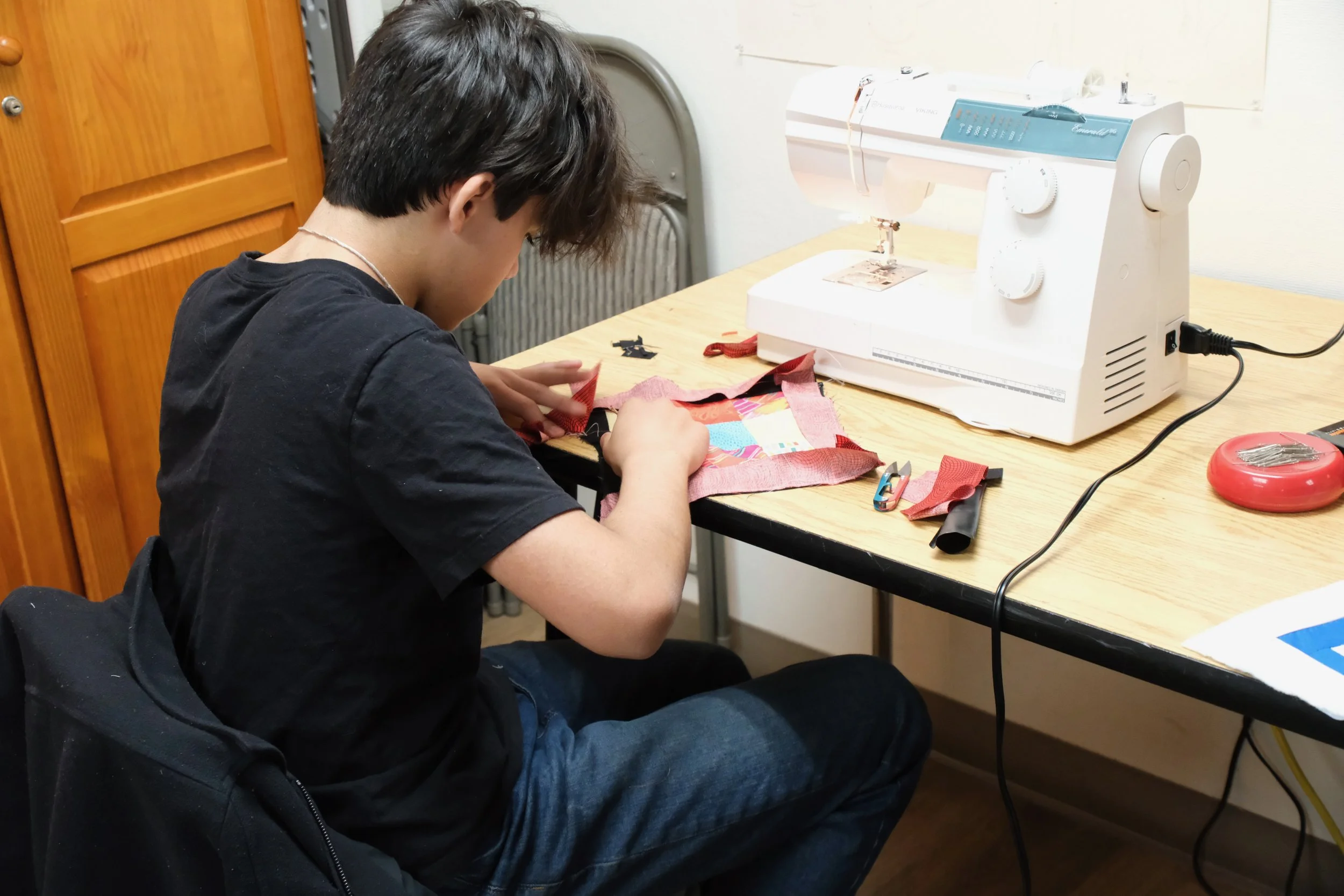
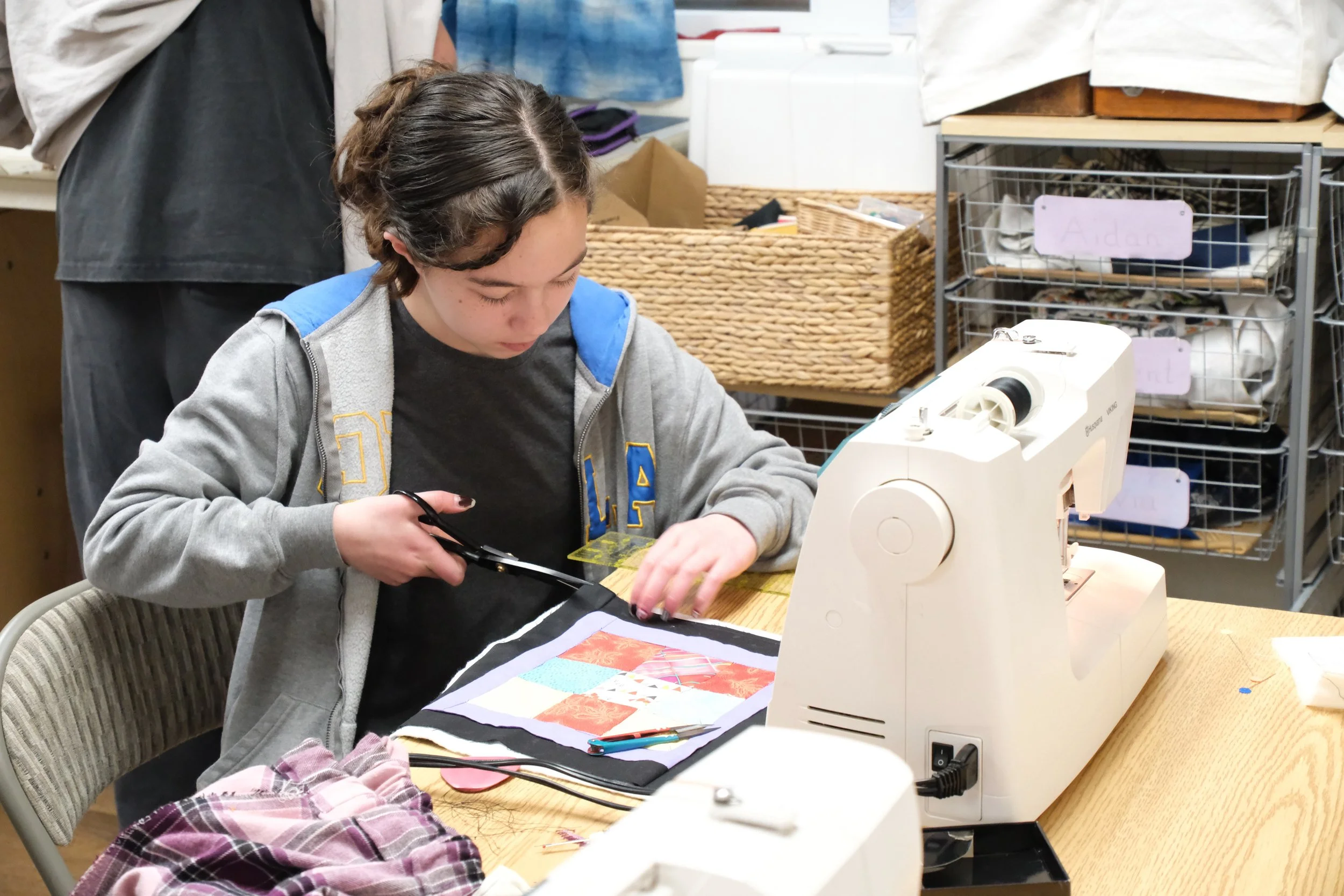
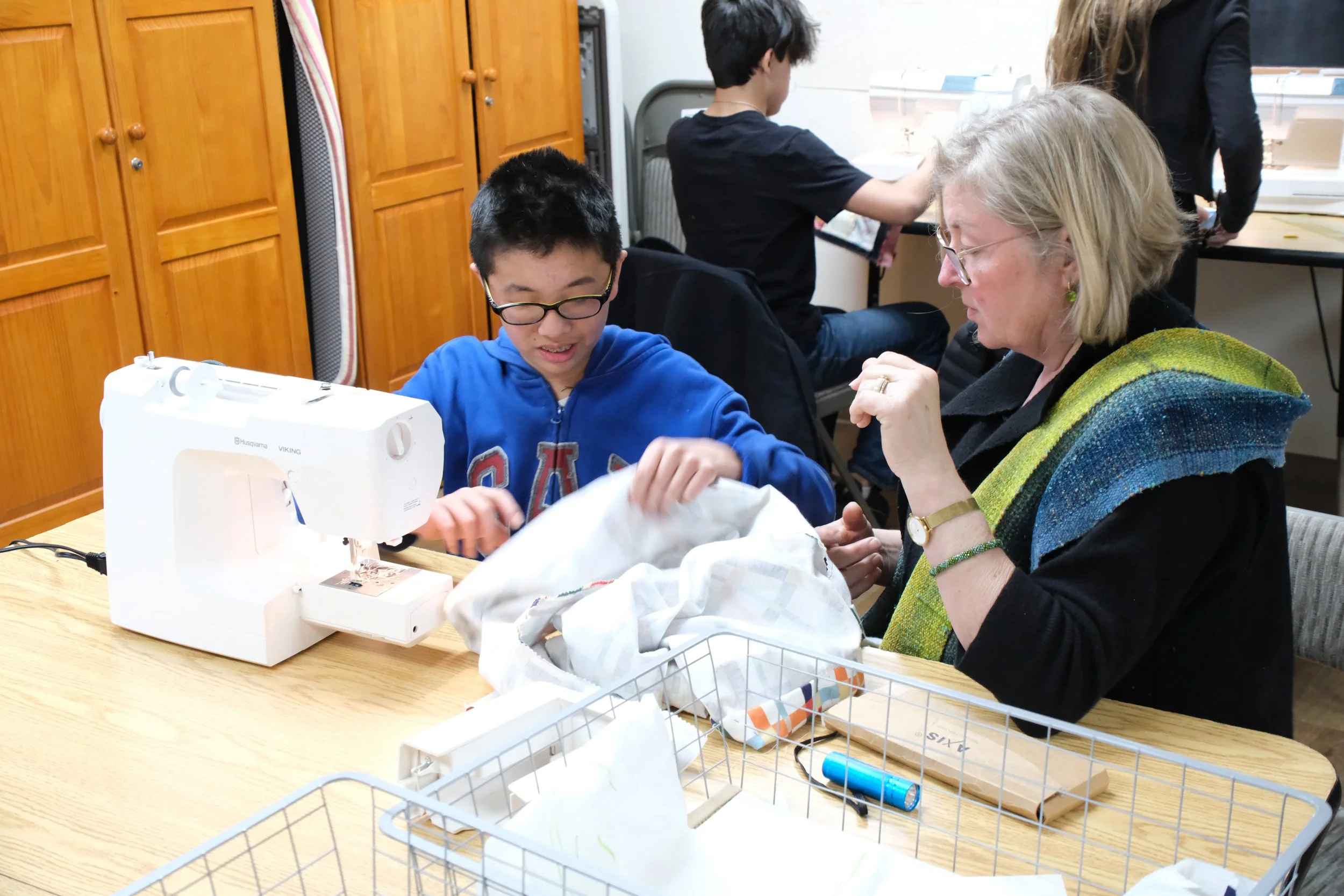
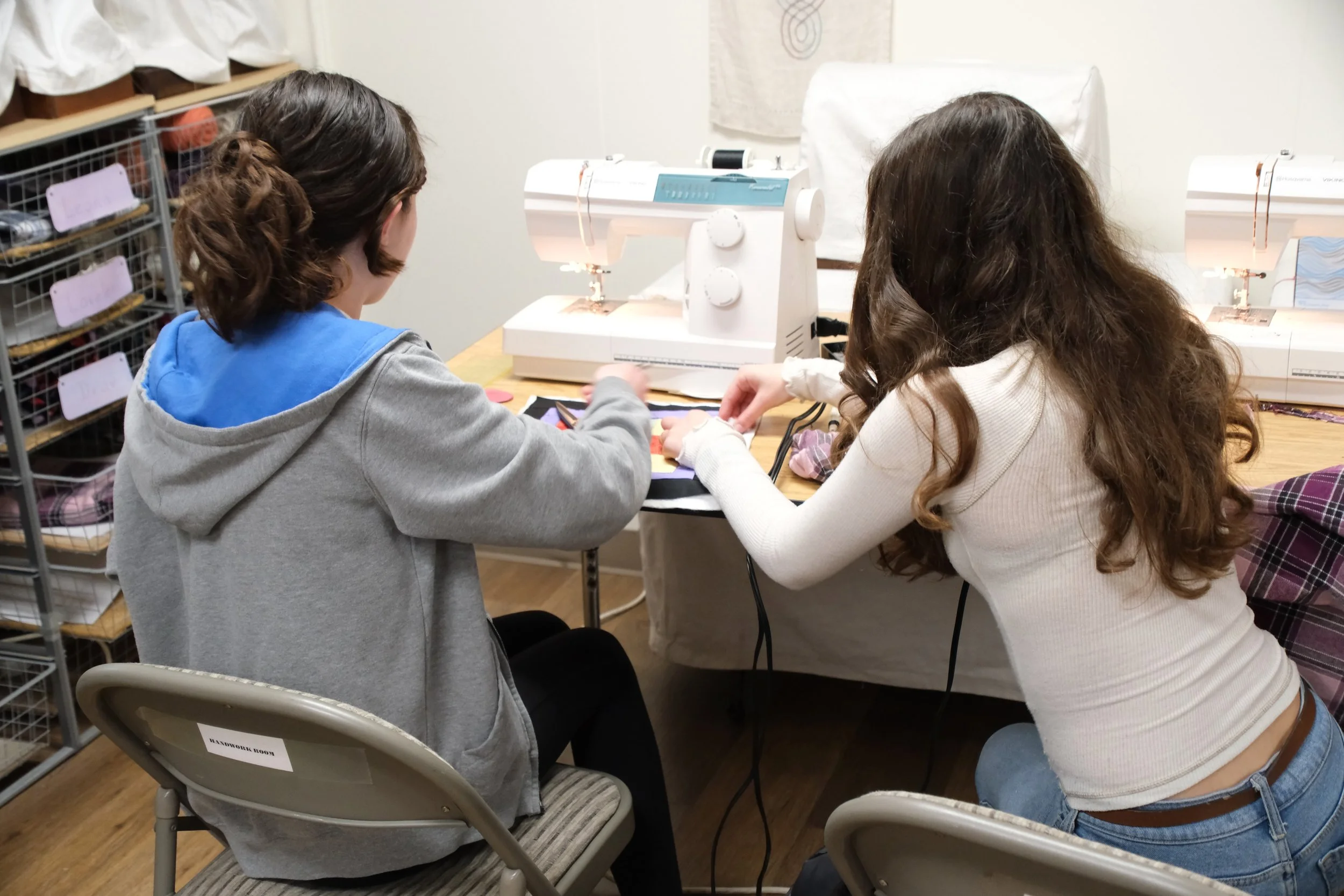
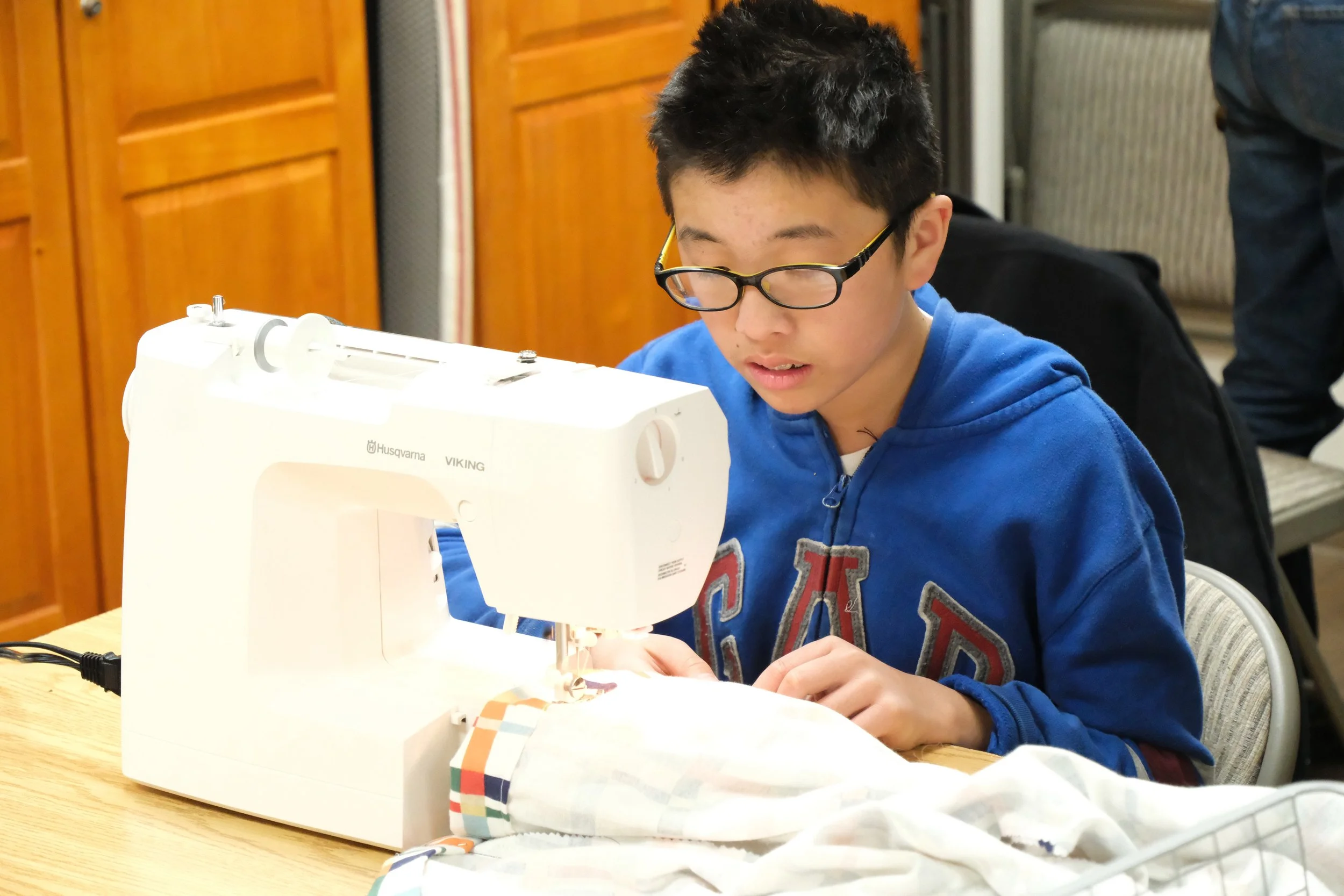
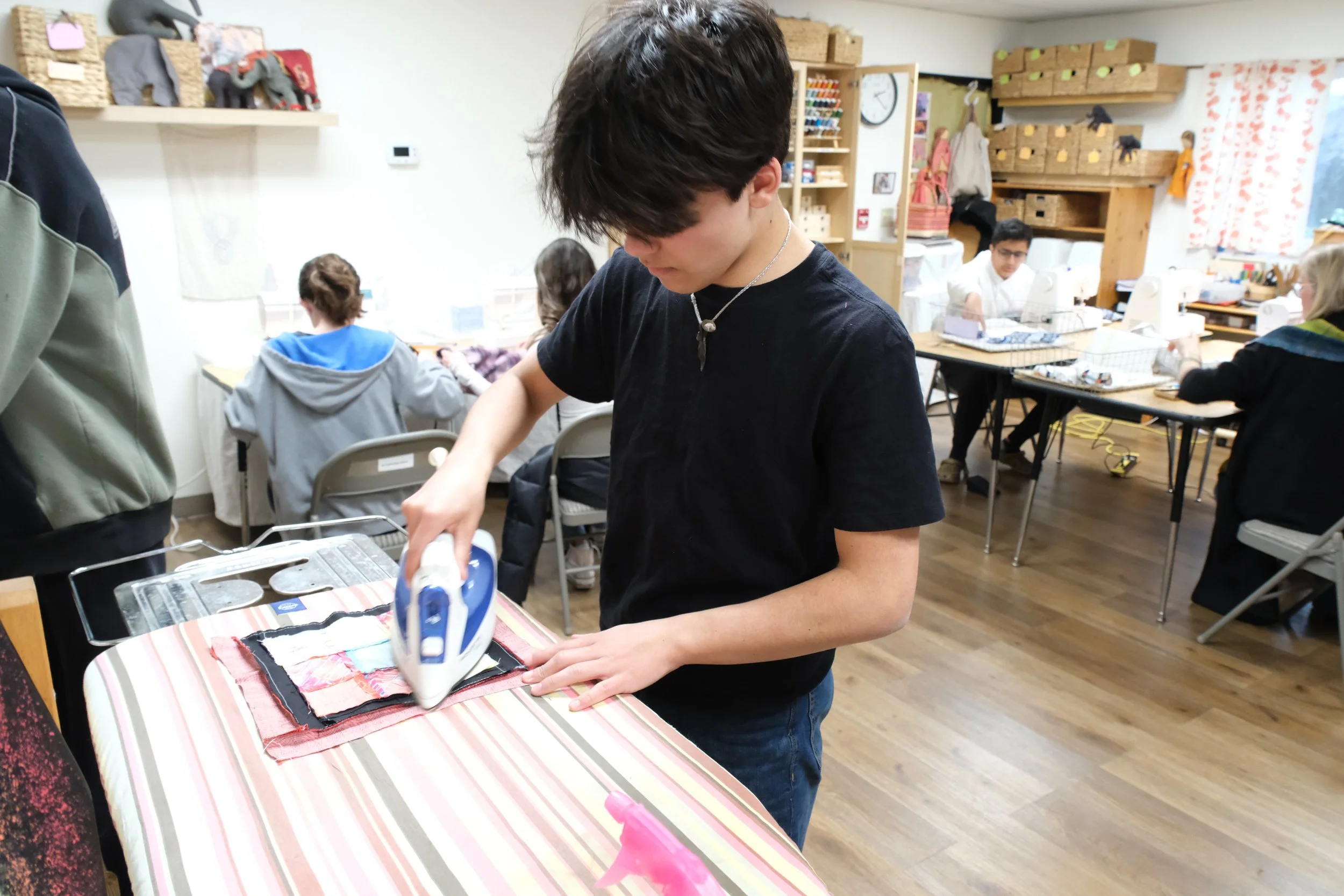
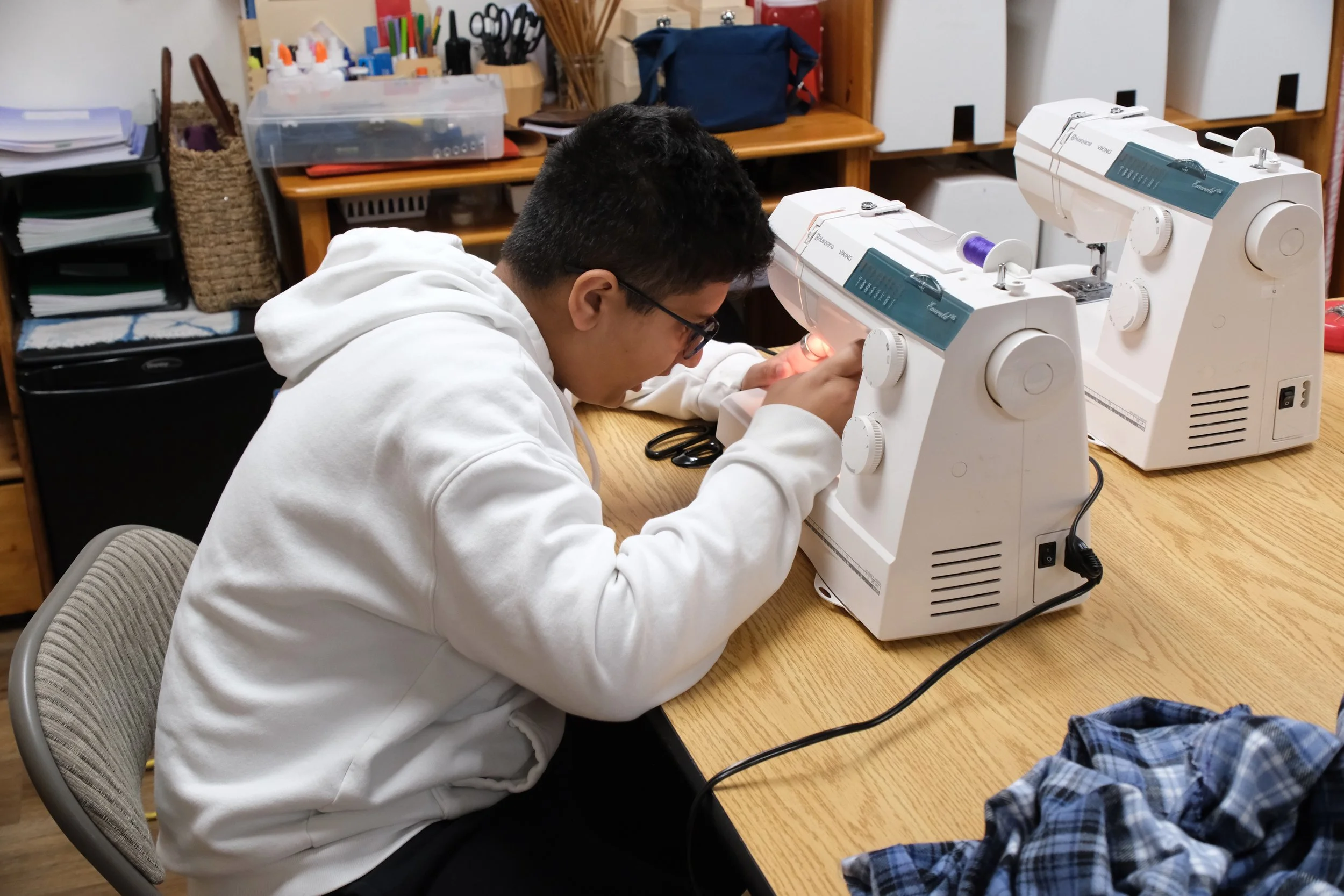
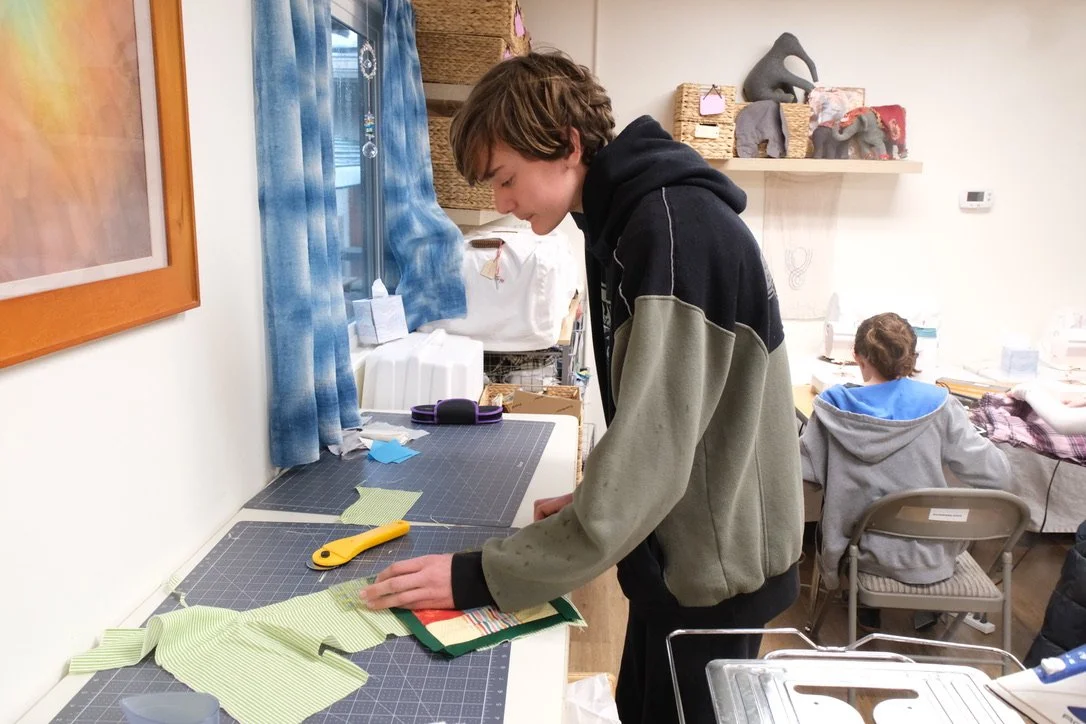
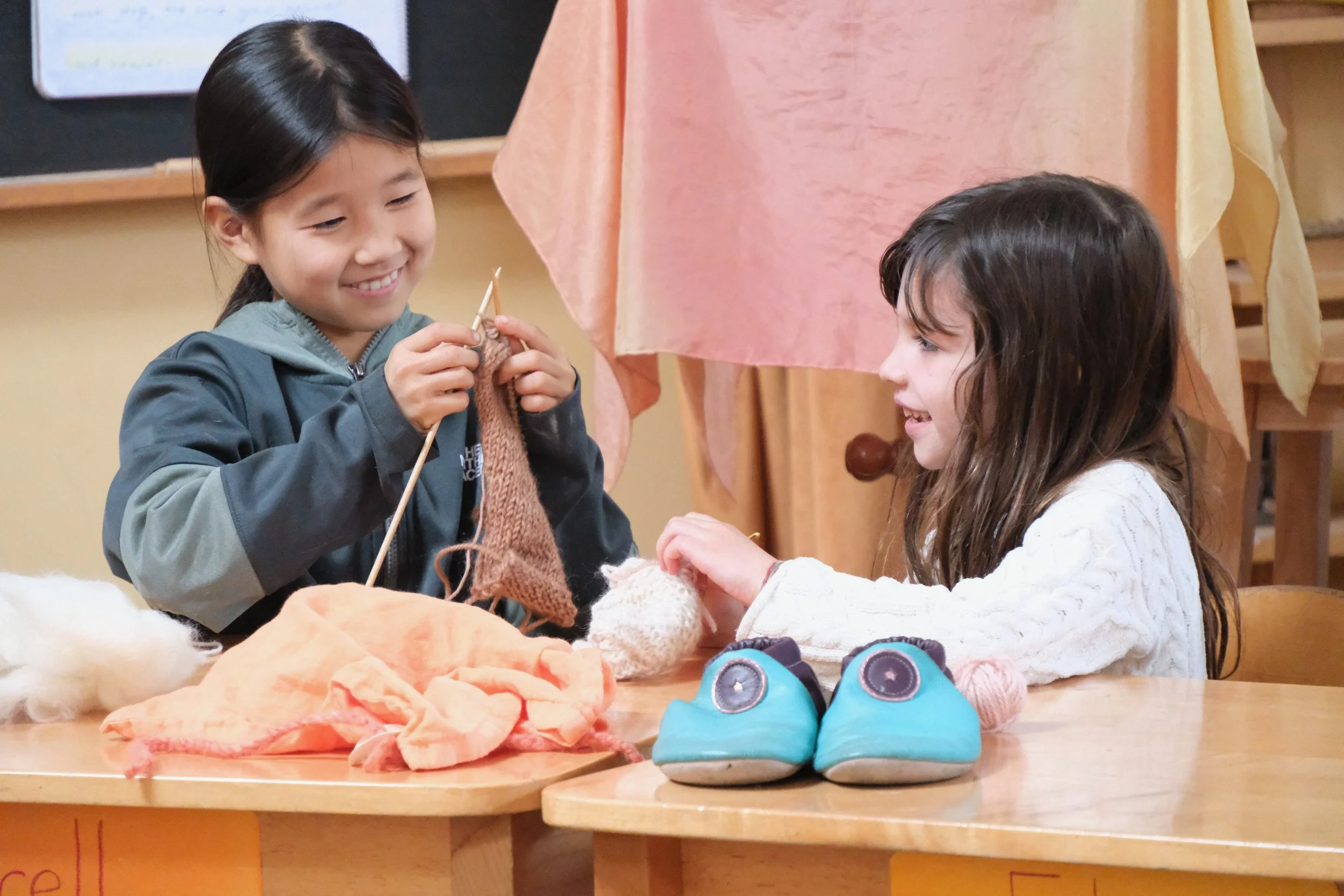
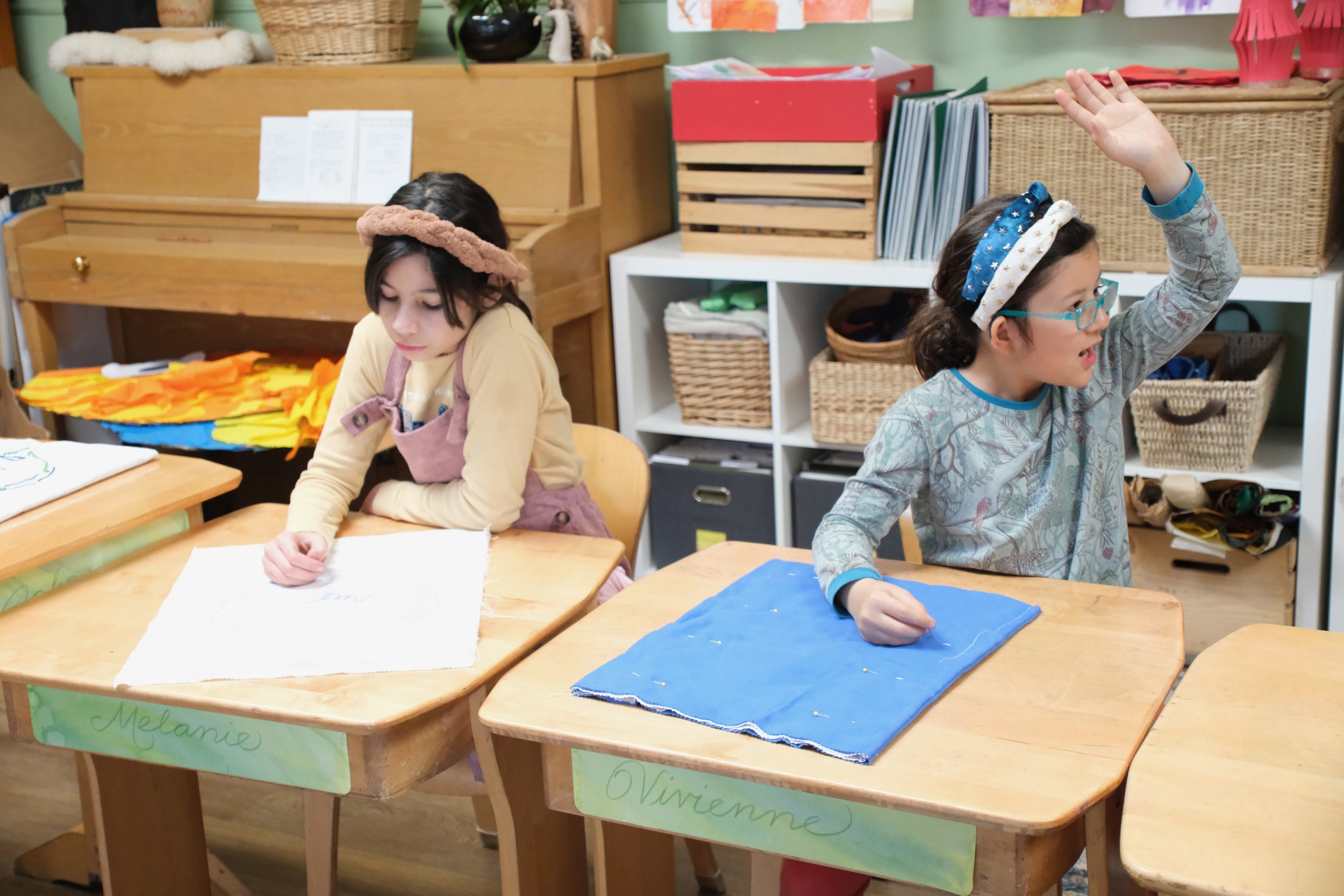
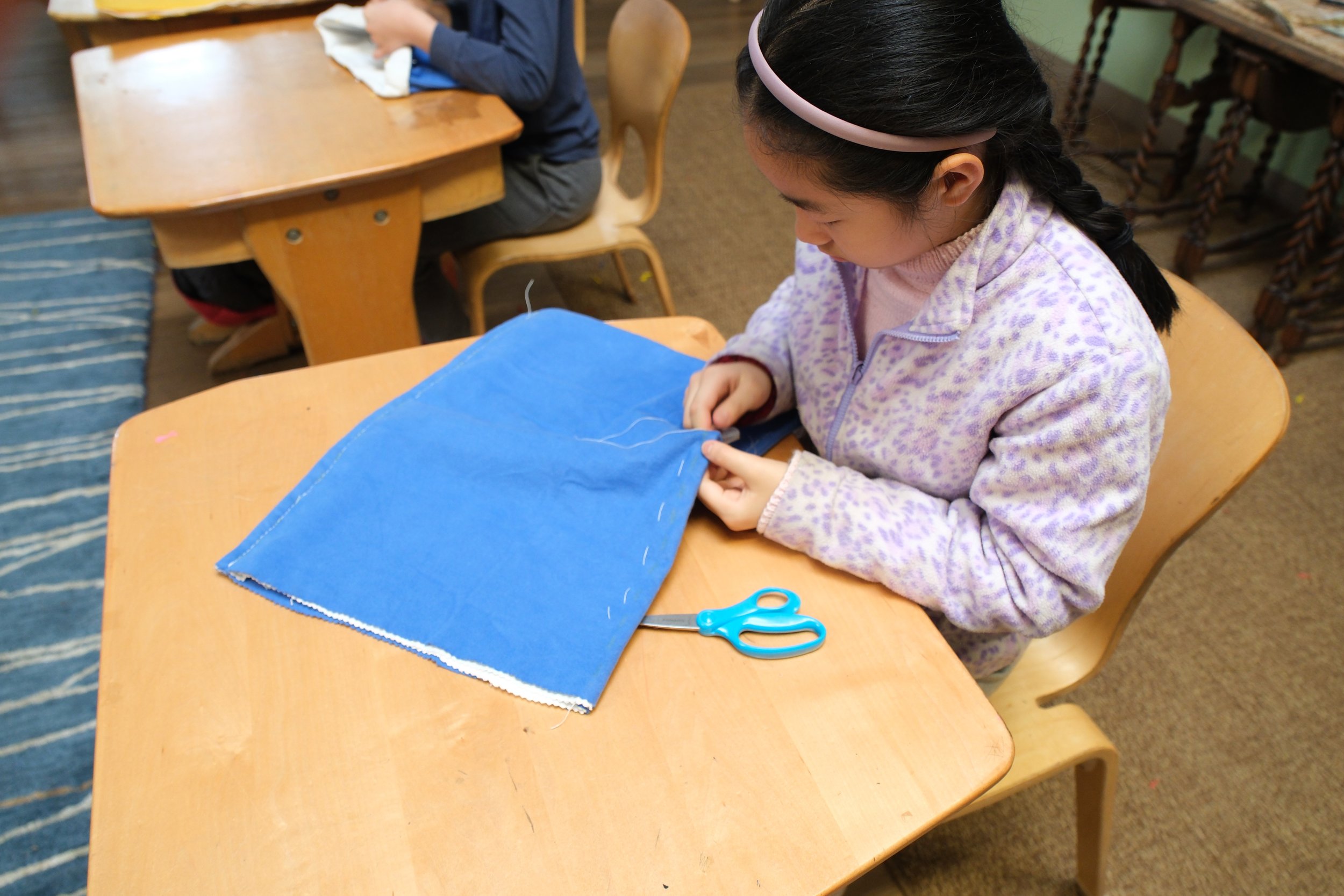
By fifth grade, students are writing and reading knitting codes, working in the round with double-pointed needles, and teaching younger students what they know. By sixth grade, they're drafting their own sewing patterns — learning to think in three dimensions. And in eighth grade, in perfect step with their study of the Industrial Revolution, they meet the sewing machine.
More Than a Skill
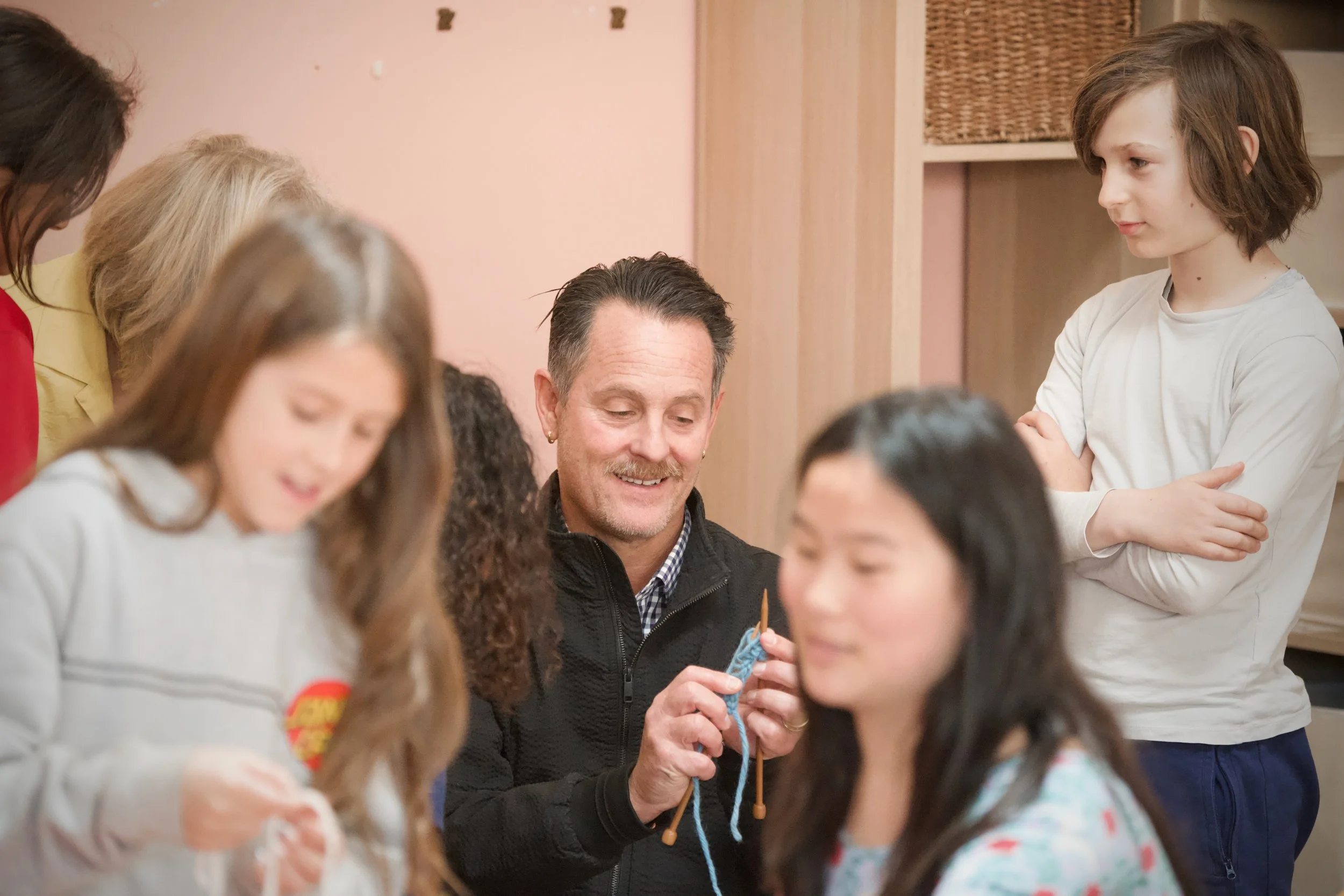
At every grade, Handwork projects carry a community dimension. First graders knit butterfly mobiles for the kindergarten. Third graders crochet small blankets for children in need. Fifth graders visit the first-grade classroom to knit alongside younger students. The work is never just for oneself.
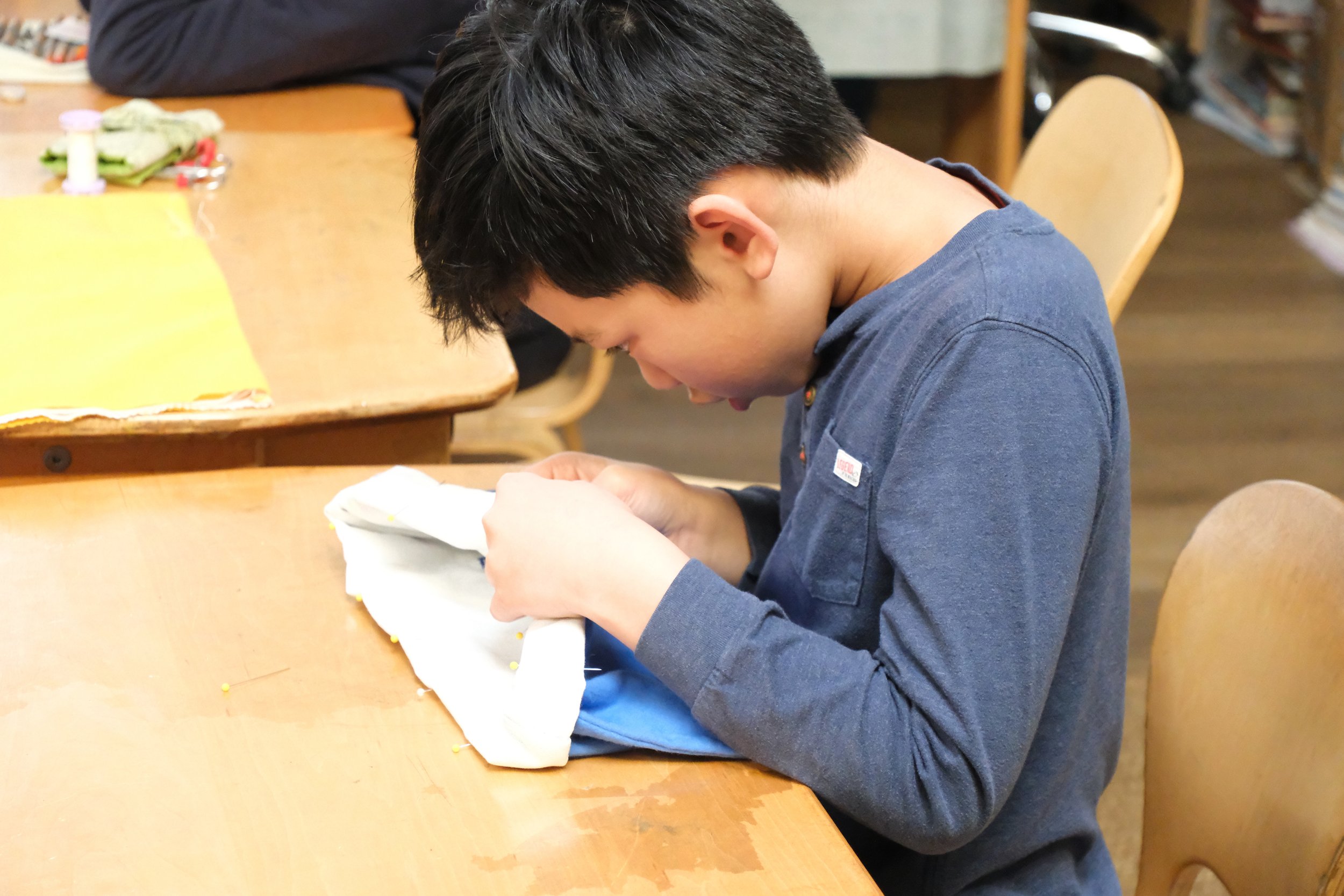
There's also something important happening in the relationship between the hands and the mind. Rhythmic, repetitive handwork — the click of needles, the pull of thread — creates the kind of focused, calm attention that is increasingly rare and increasingly valuable. Students learn to sit with a long project, to make mistakes and correct them, to bring something from raw material to finished form through patience and will.
A Living Curriculum
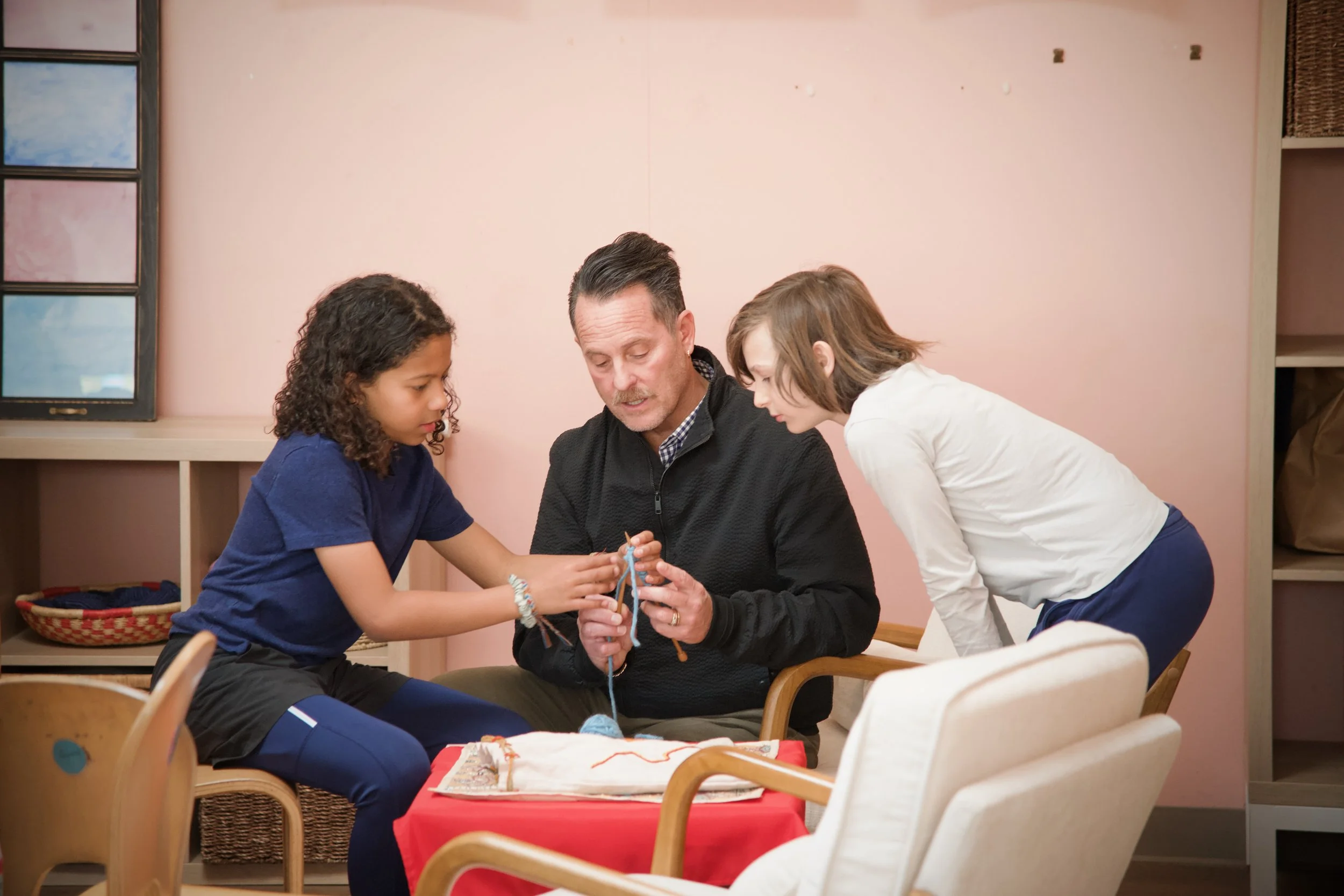
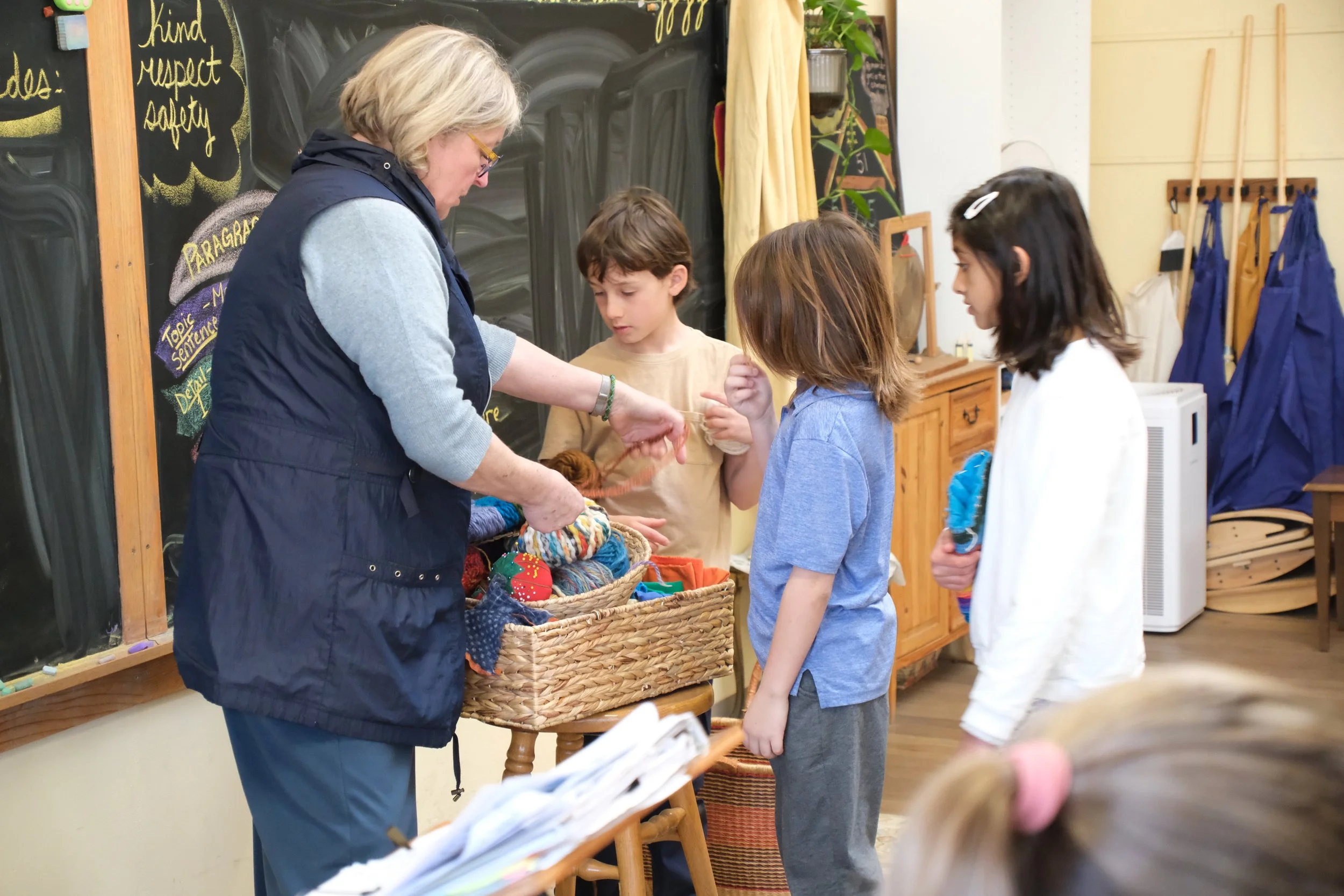
WSP's Handwork scope and sequence is carefully designed to meet each child where they are — accounting for individual skill levels, cultural backgrounds, and the particular developmental signature of each age. Projects are tailored, teachers observe closely, and the work grows with the child year after year.
By the time a WSP student graduates from eighth grade, they have knitted, crocheted, felted, embroidered, hand-sewn, and machine-sewn their way through childhood. They've made things with their hands that required vision, persistence, and care. And they carry that, in ways that are hard to measure but easy to see, into everything else they do.