Thinking Big, Building Small
Our seventh graders designed and built their own tiny homes — and in doing so, explored math, sustainability, and what it means to live intentionally.
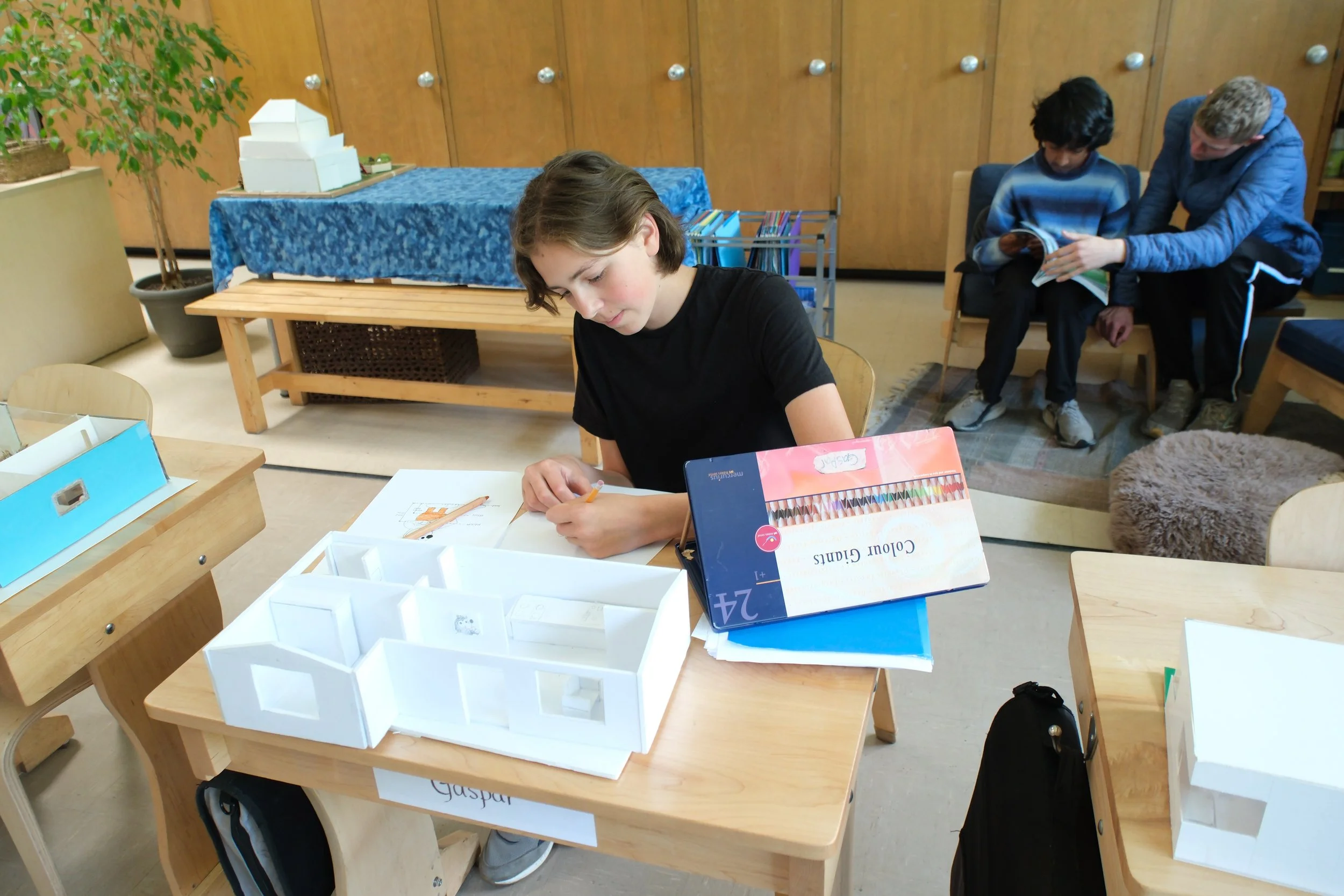
What would your ideal home look like if it could be no bigger than 750 square feet? That was the central question at the heart of this spring's capstone project in Ms. O'Toole’s 7th Grade Math class; a hands-on journey that wove together geometry, measurement, scale drawing, and a dose of philosophy about what we truly need.
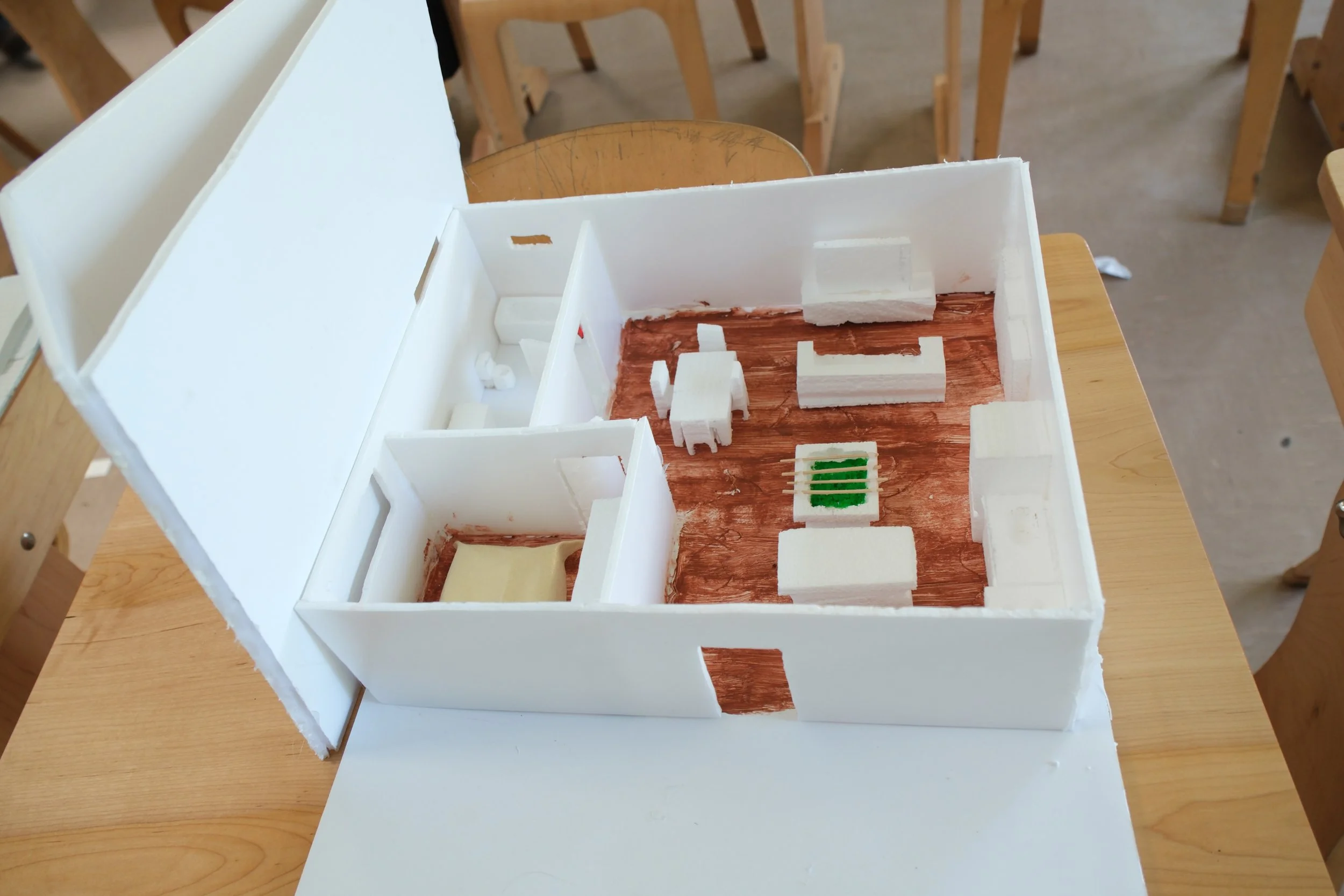
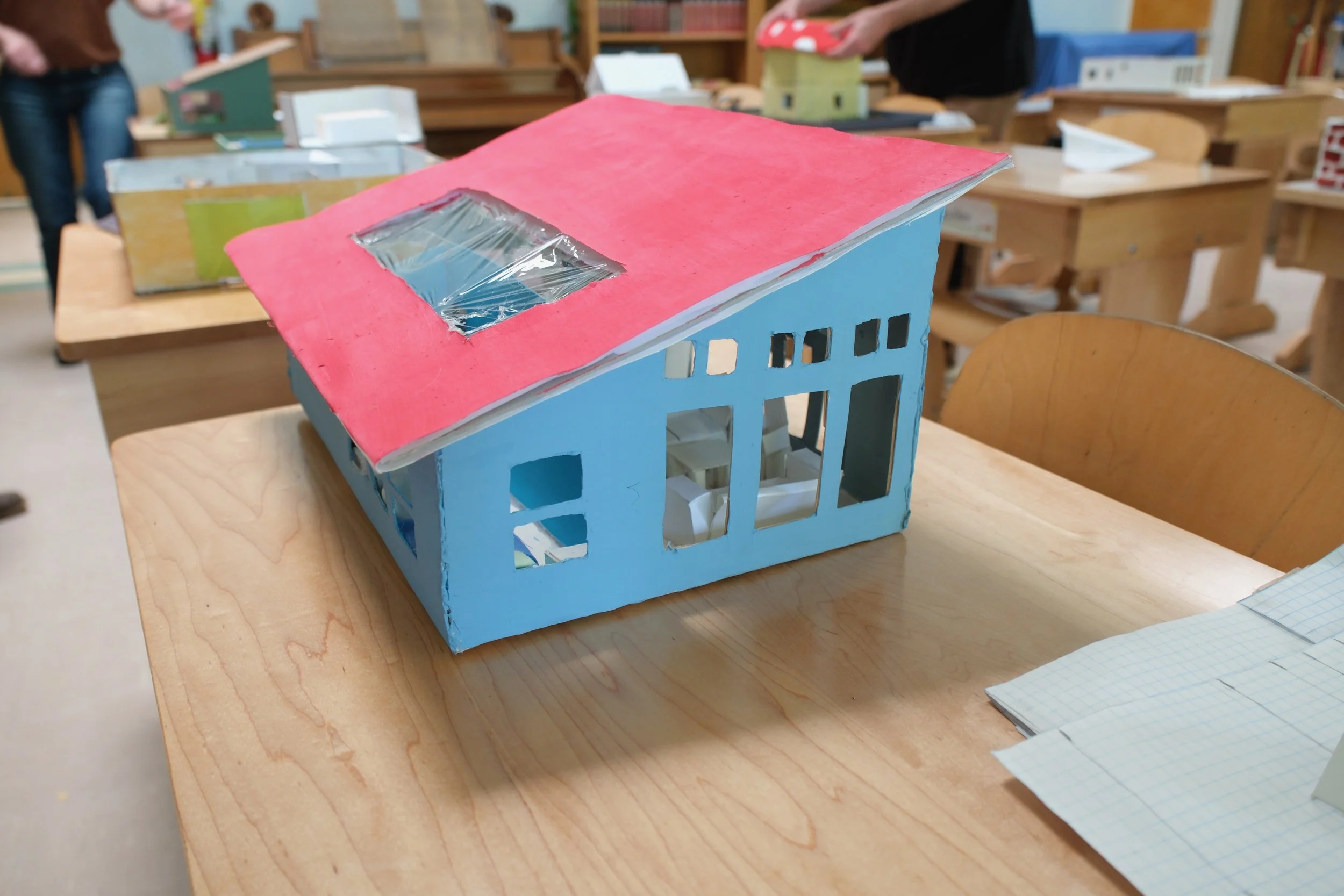
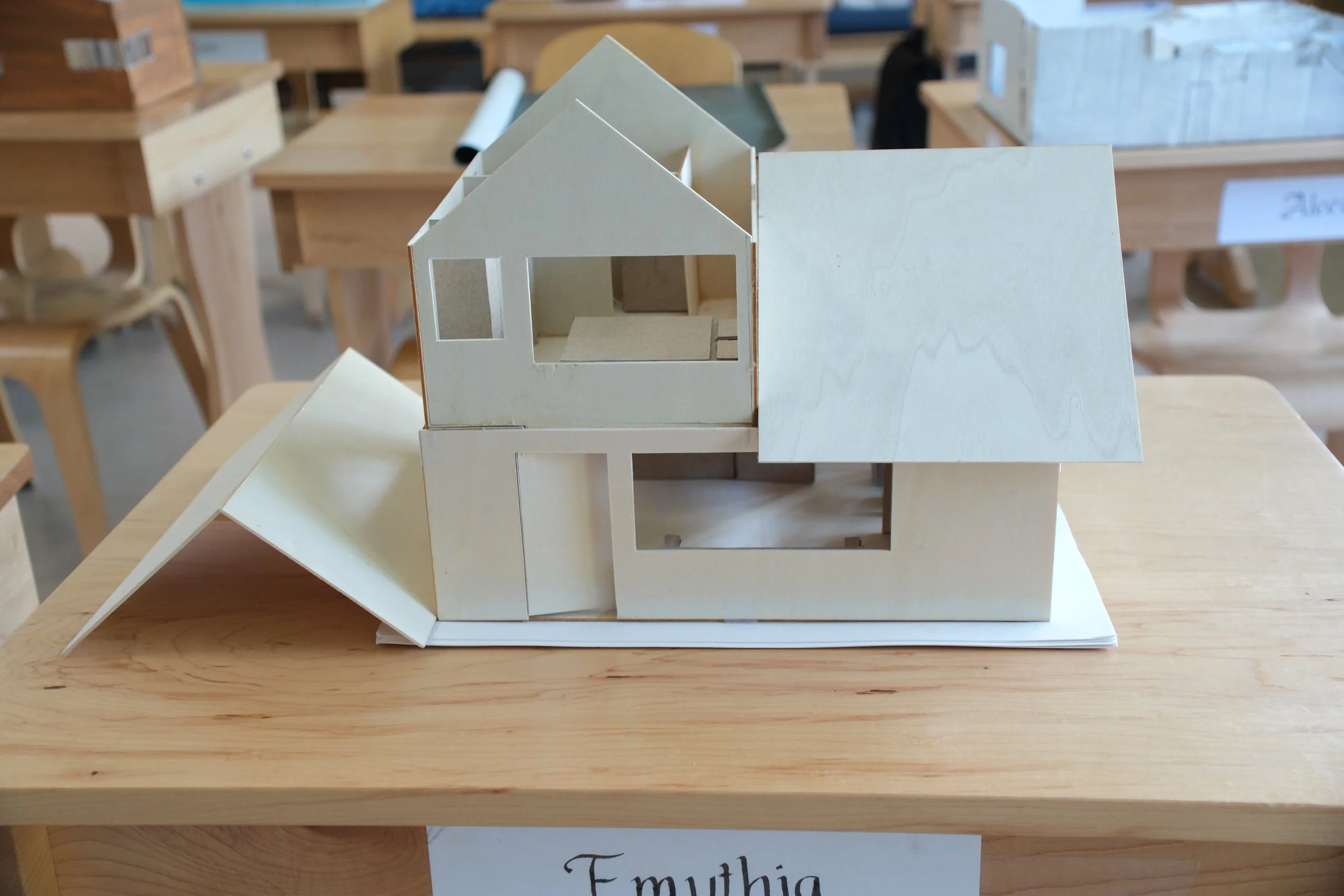
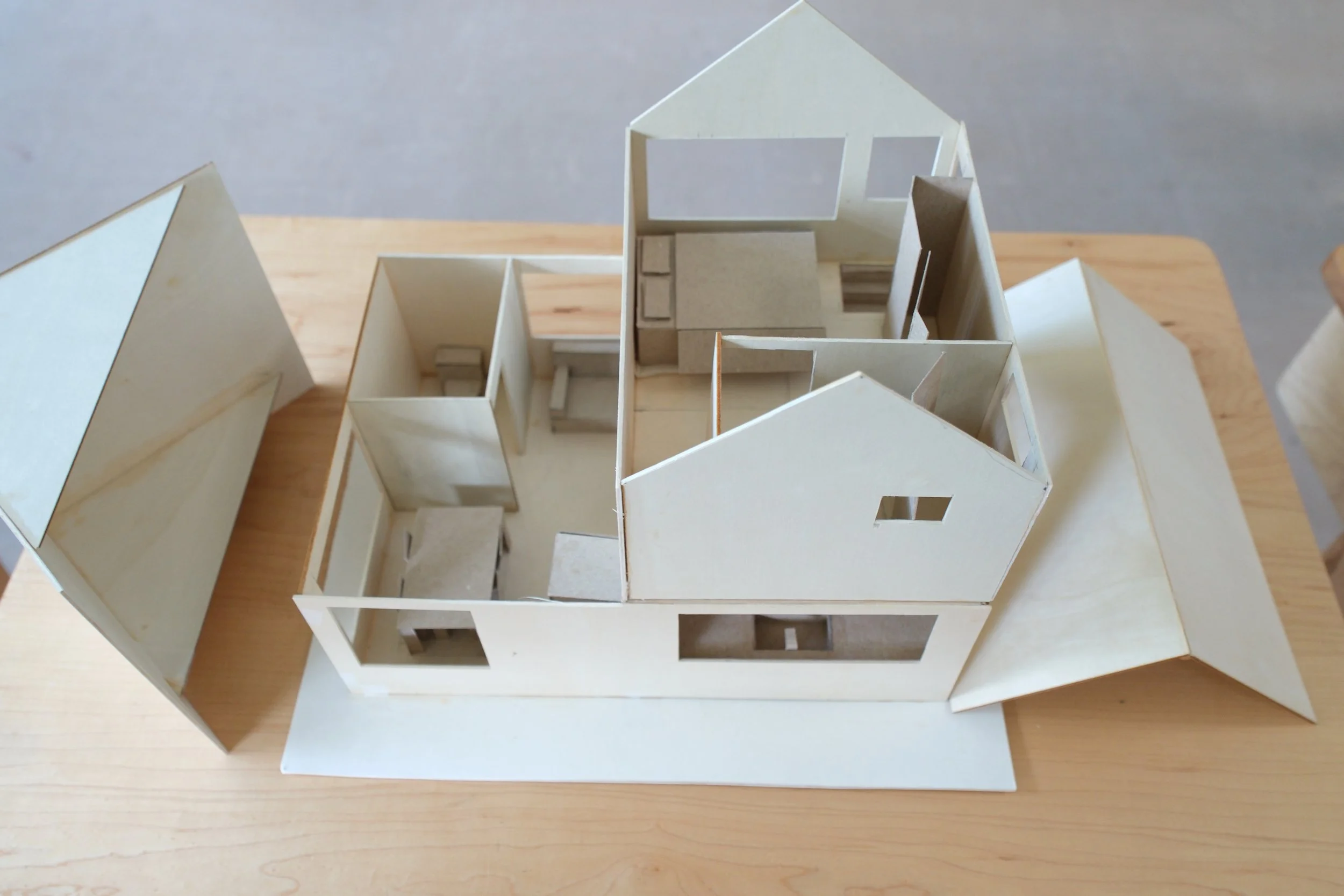
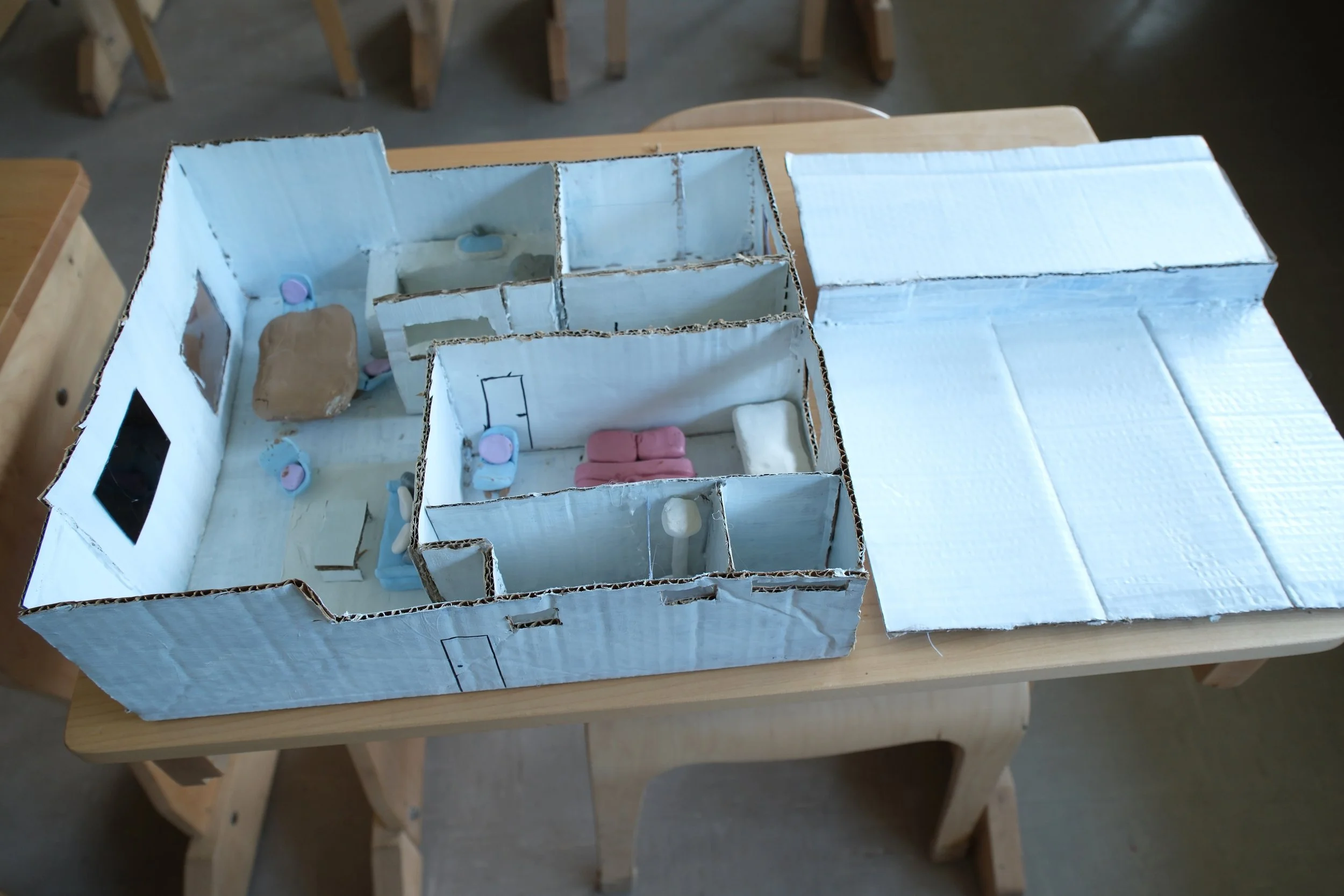
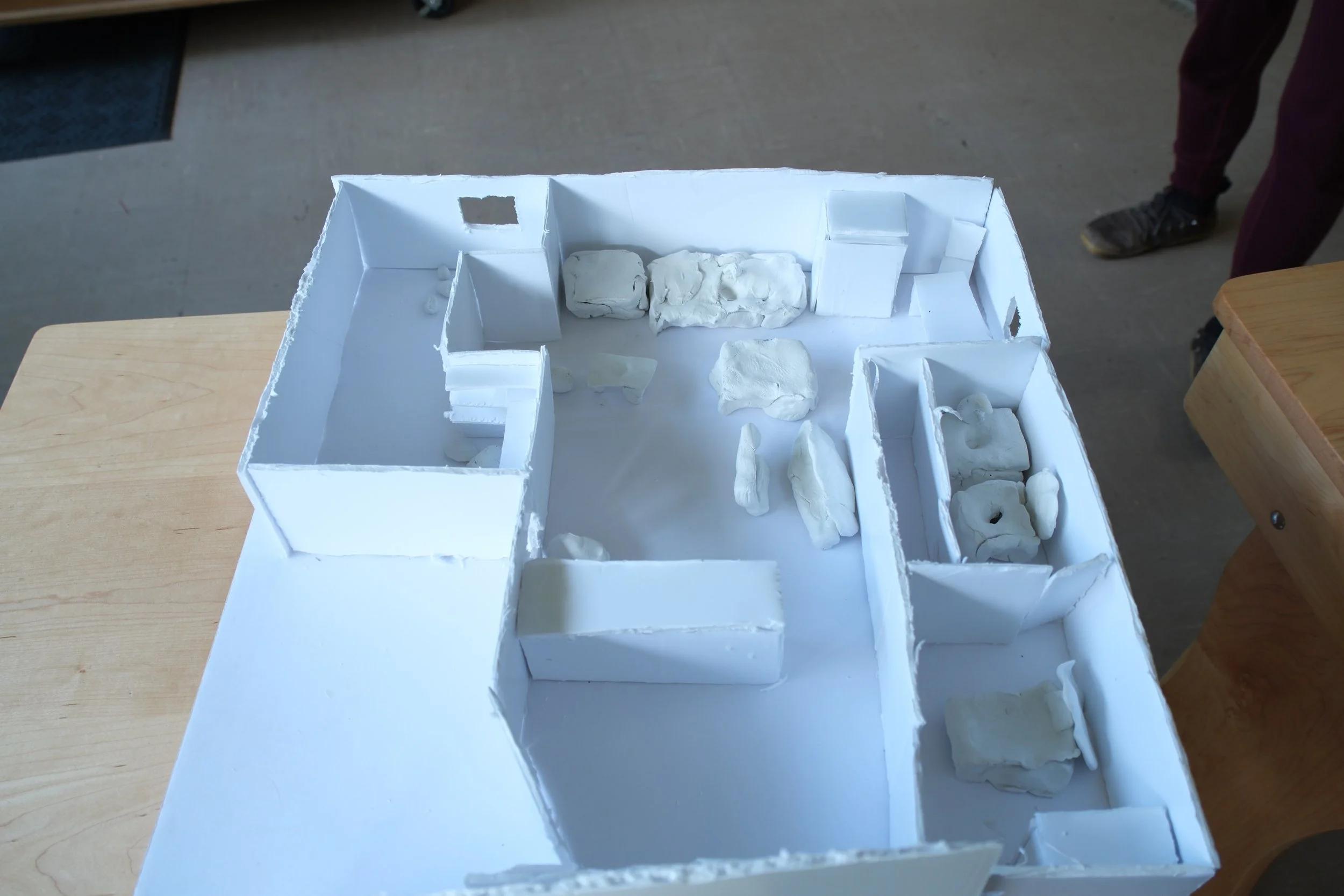
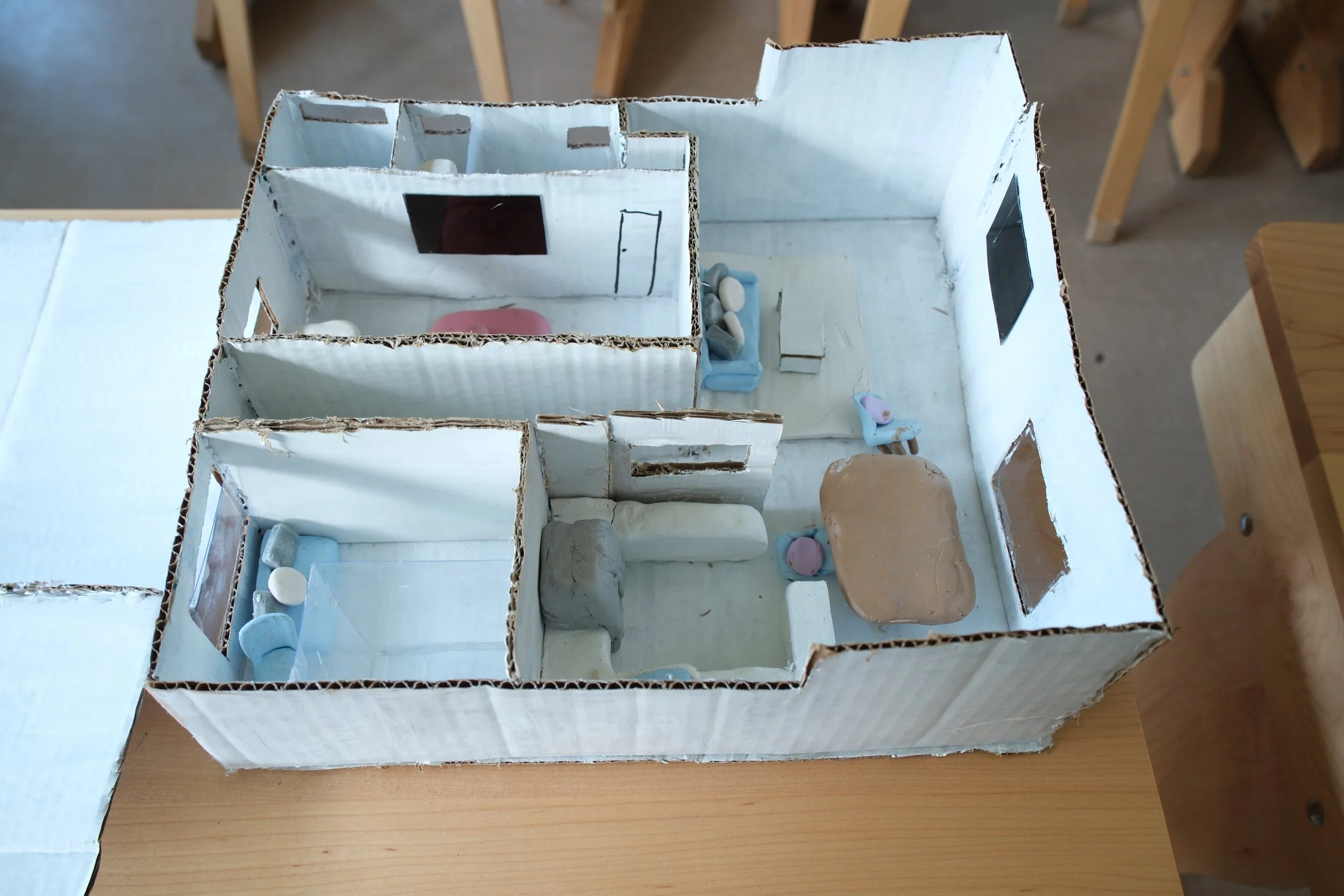
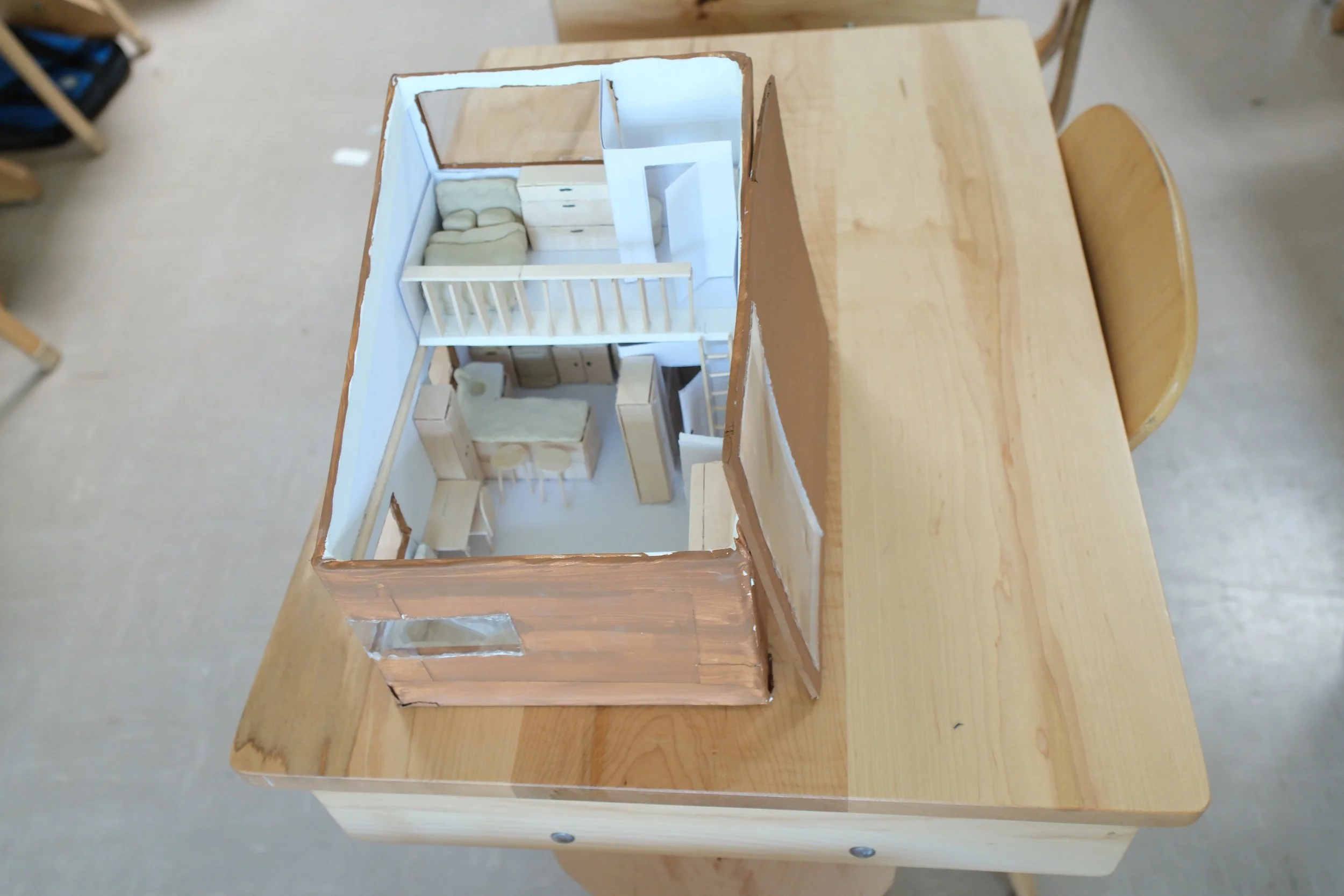
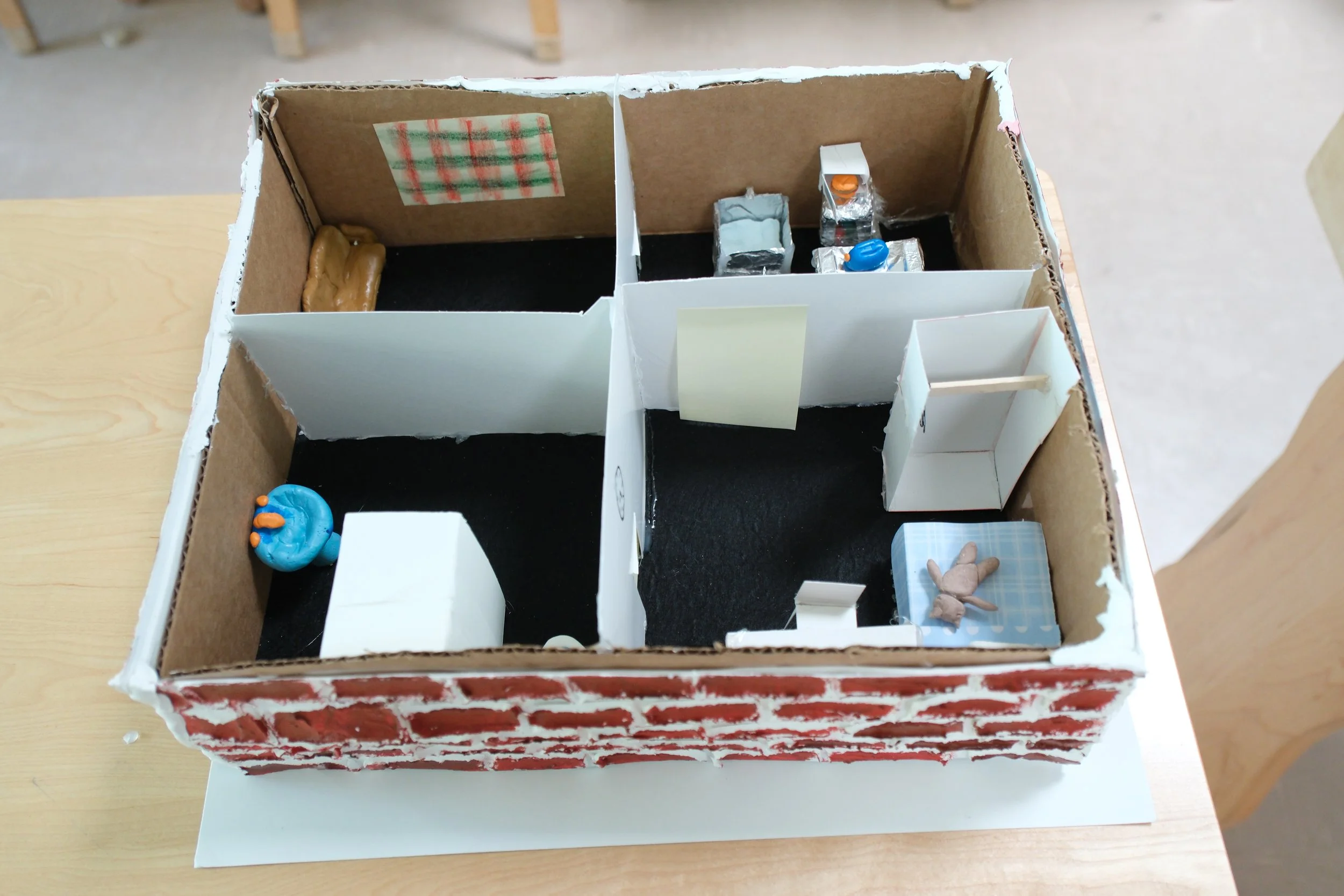
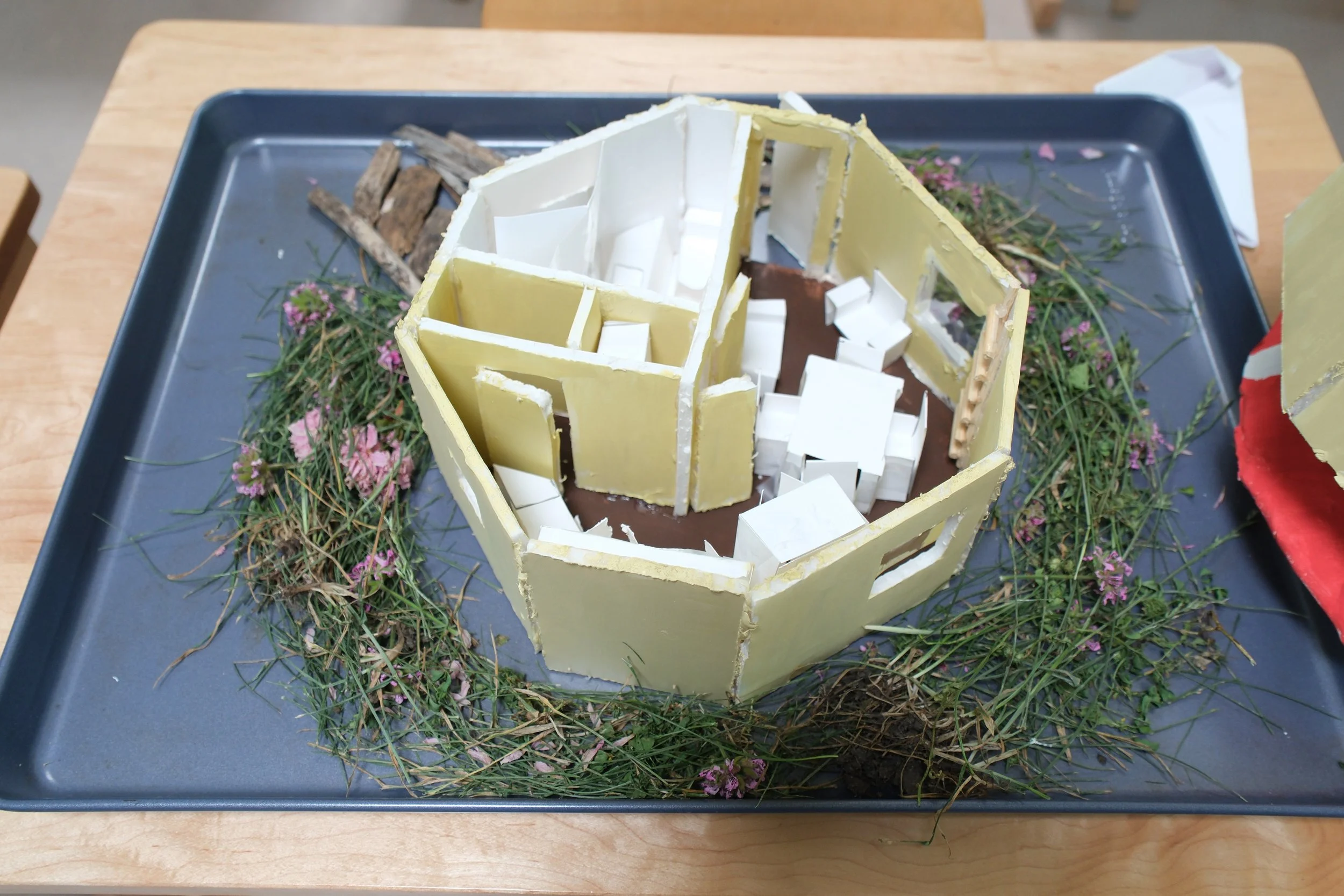
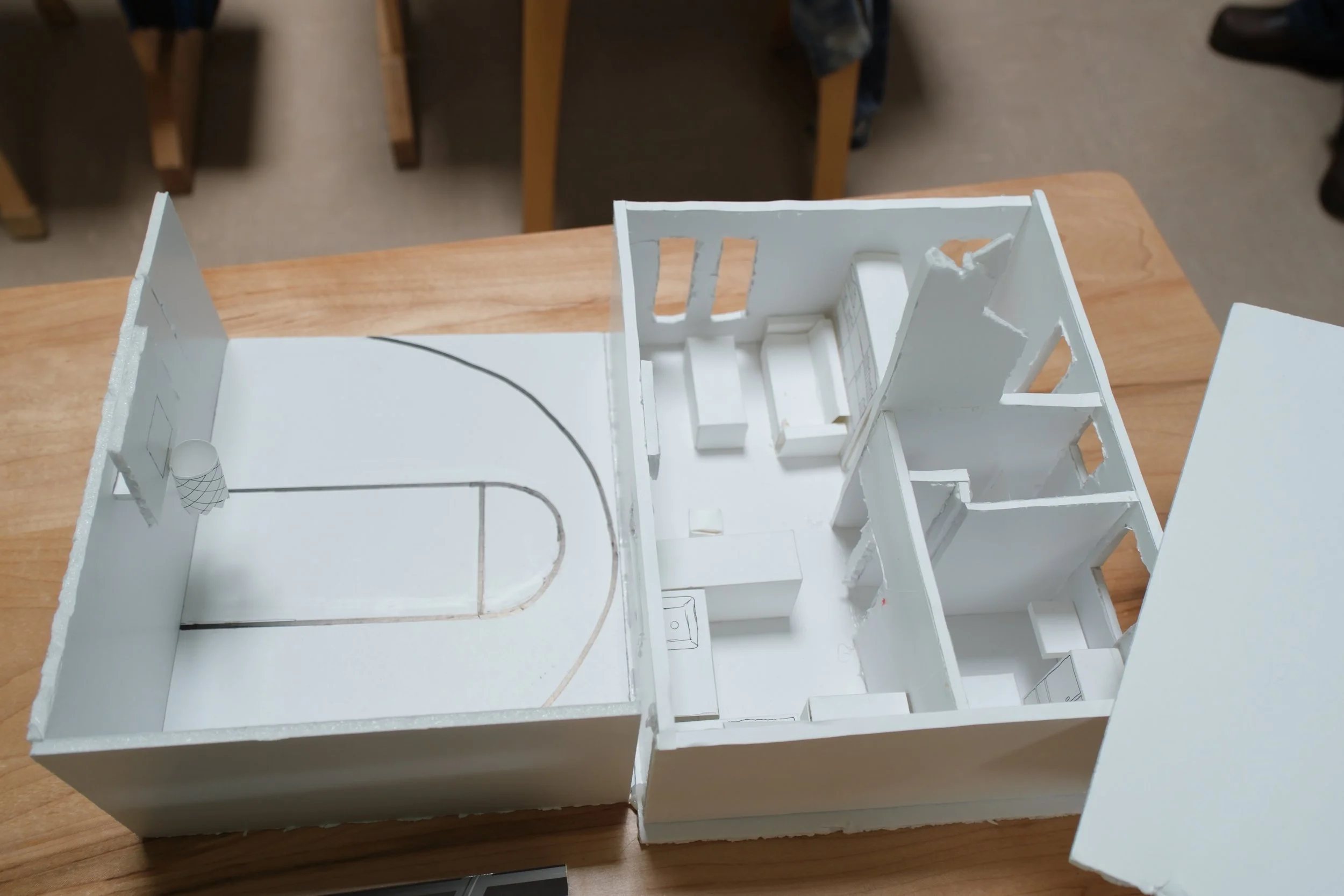
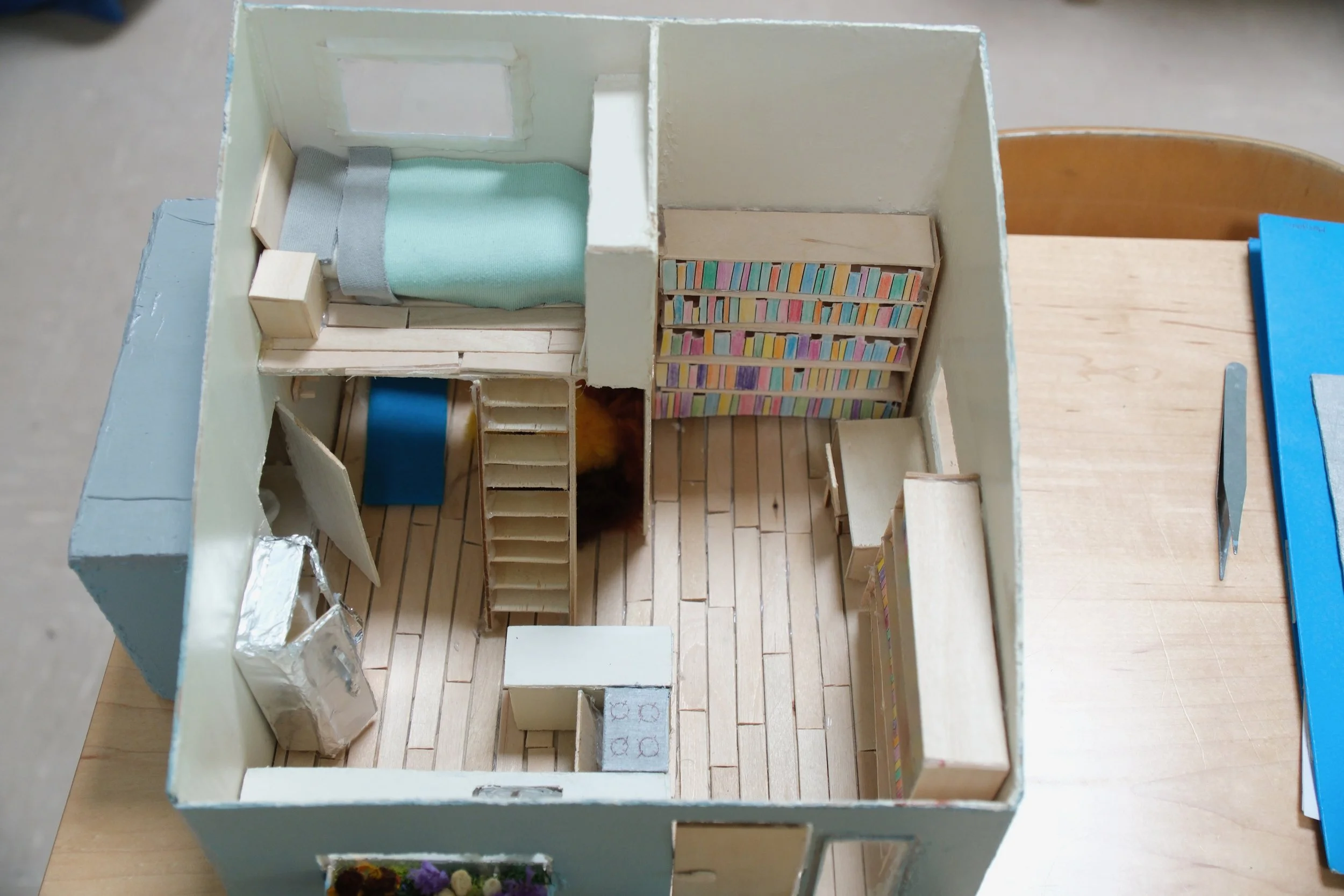
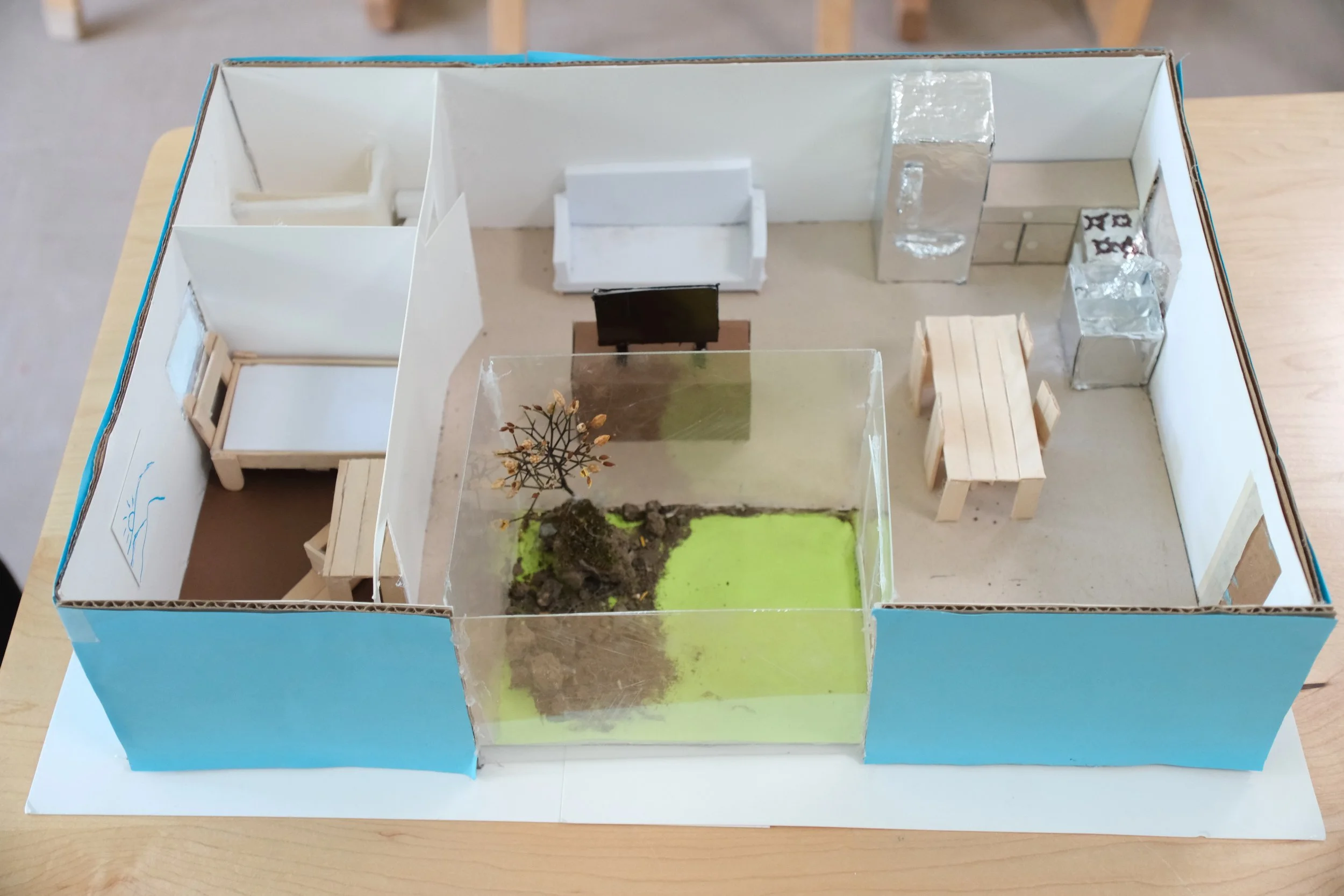
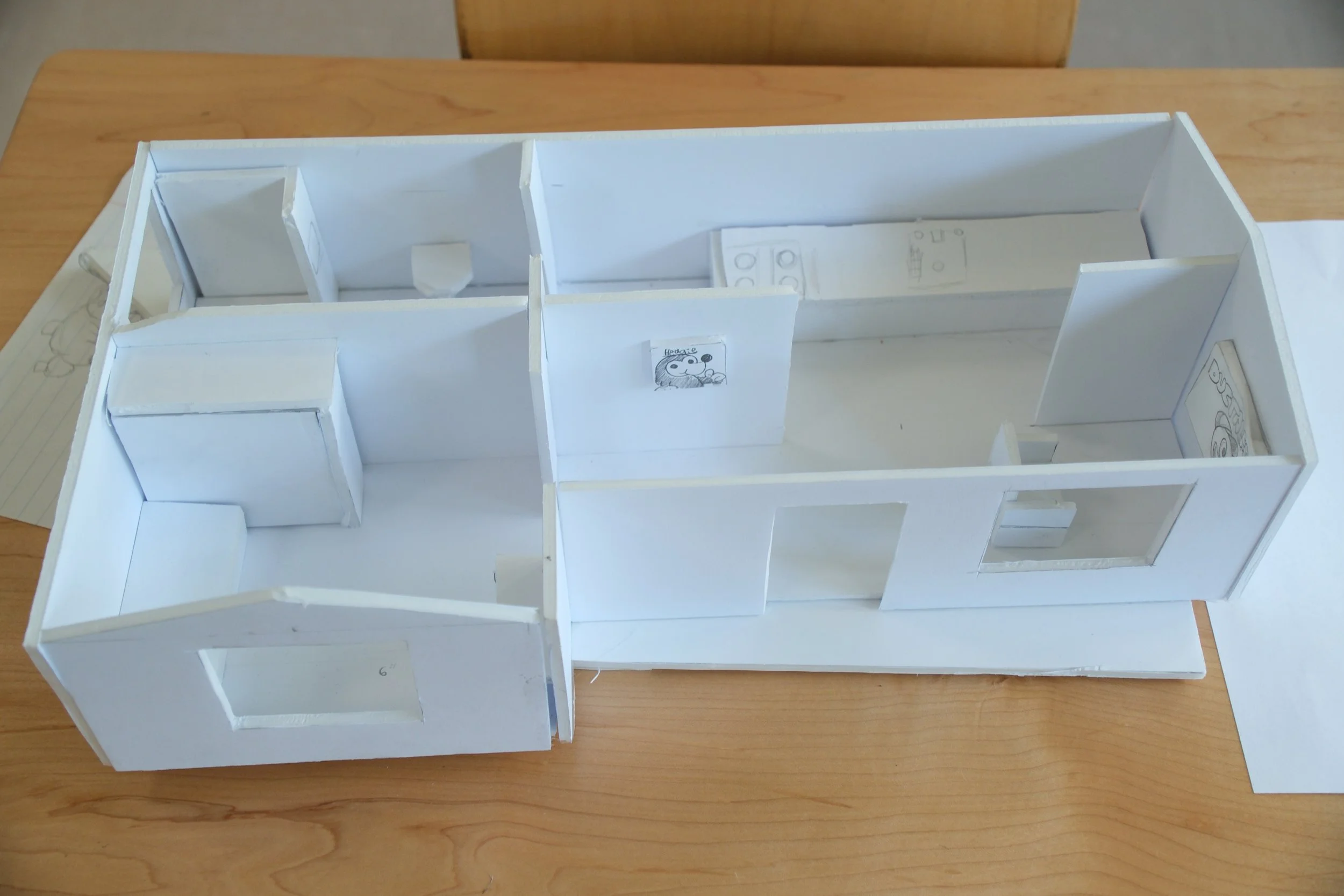
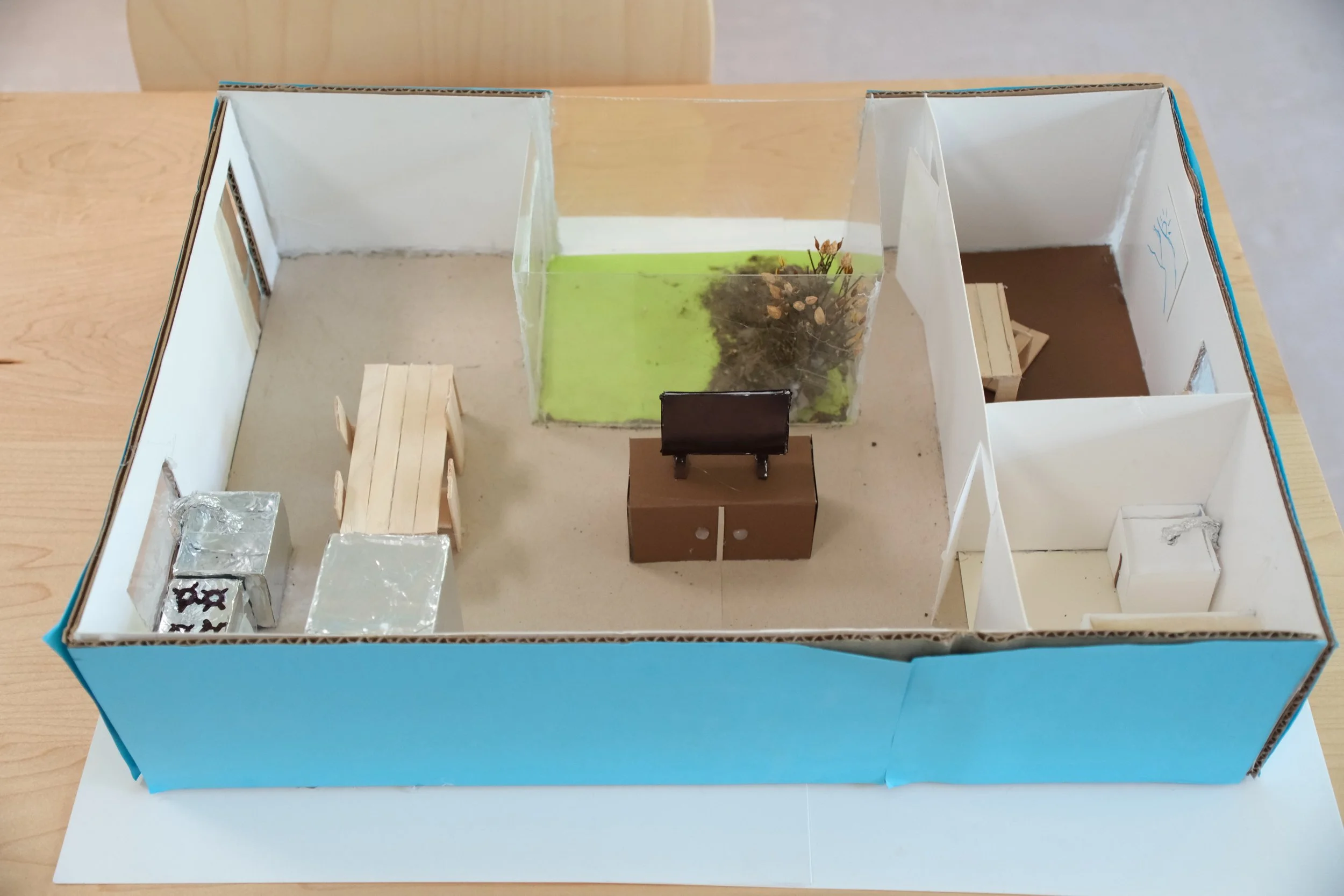
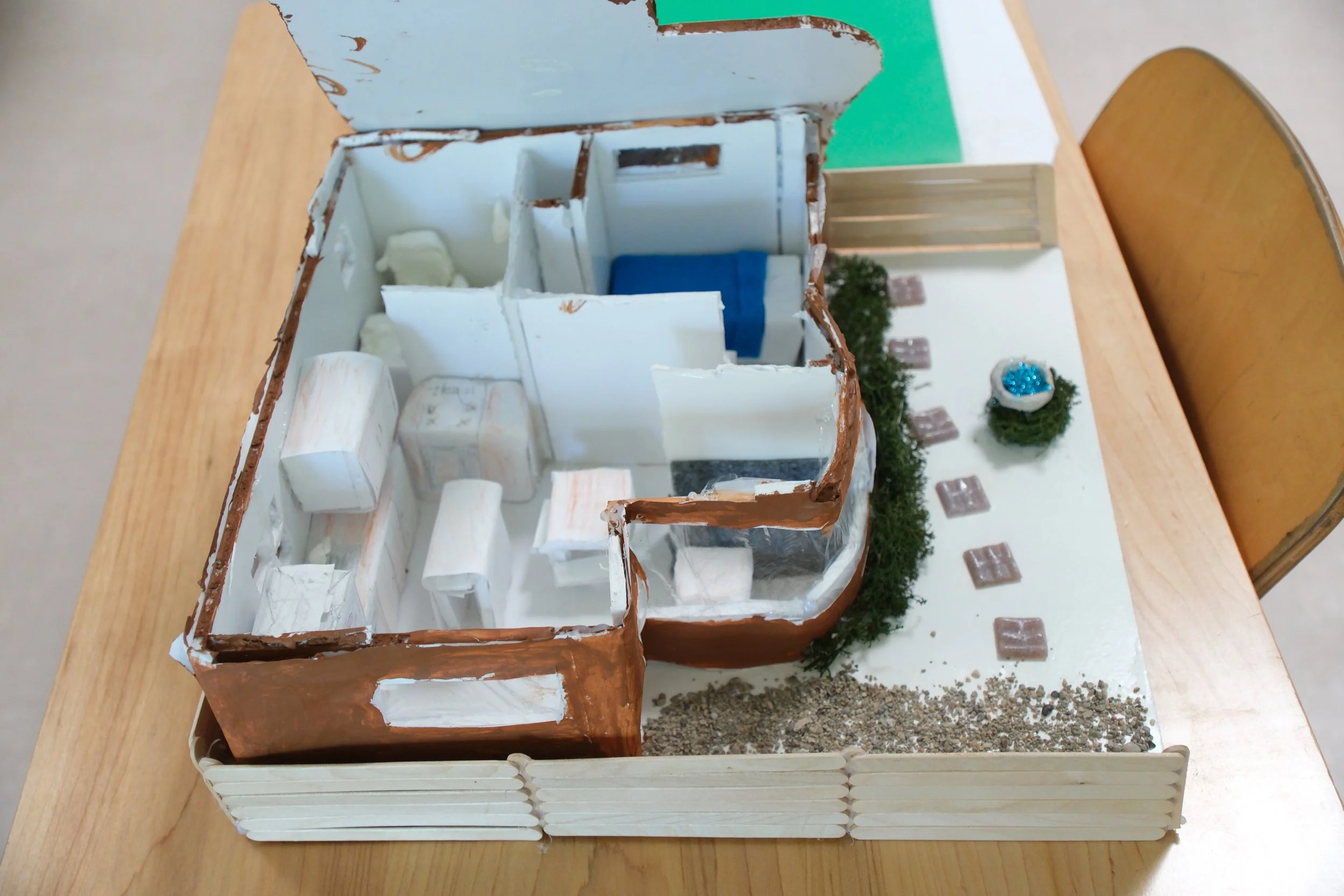
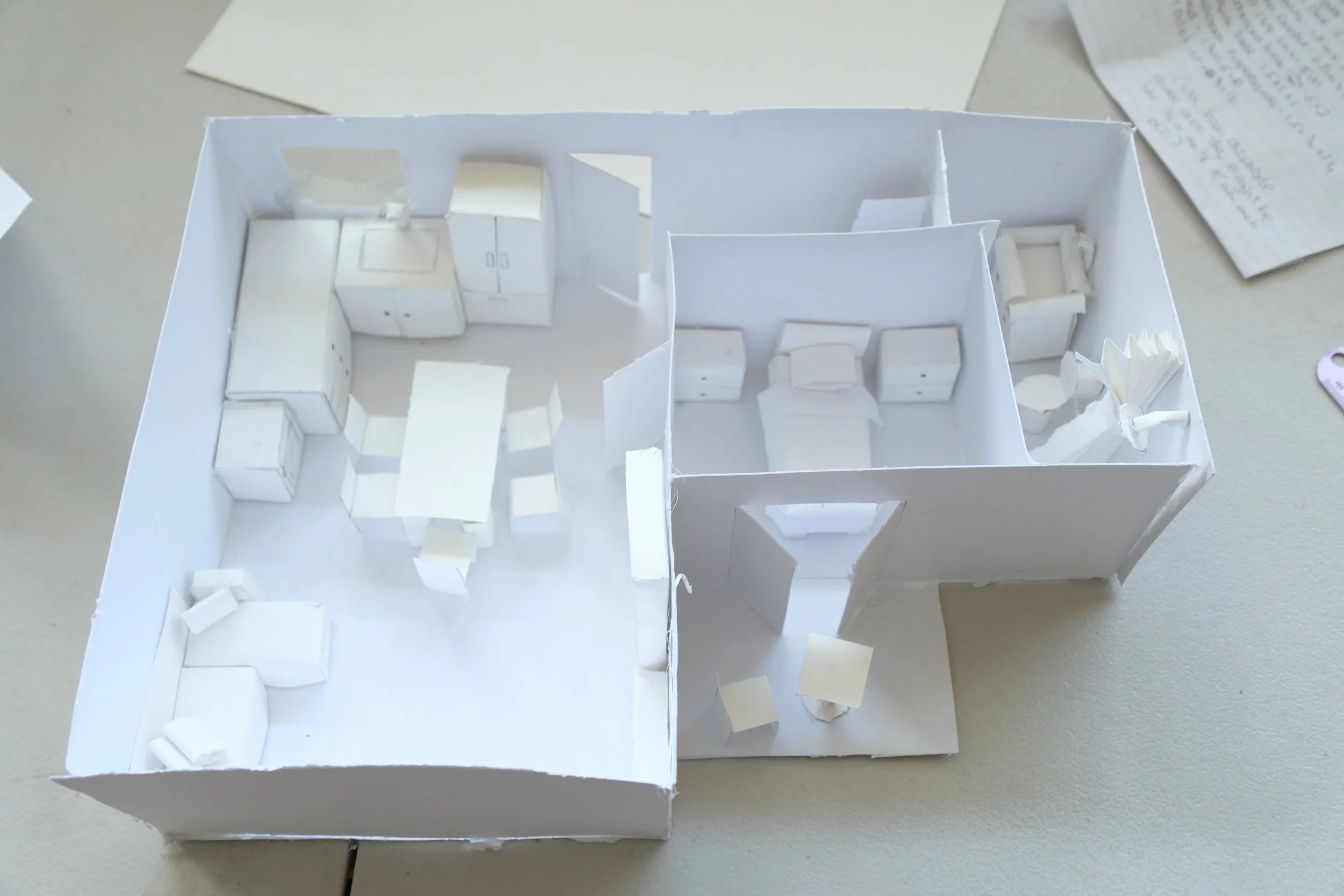
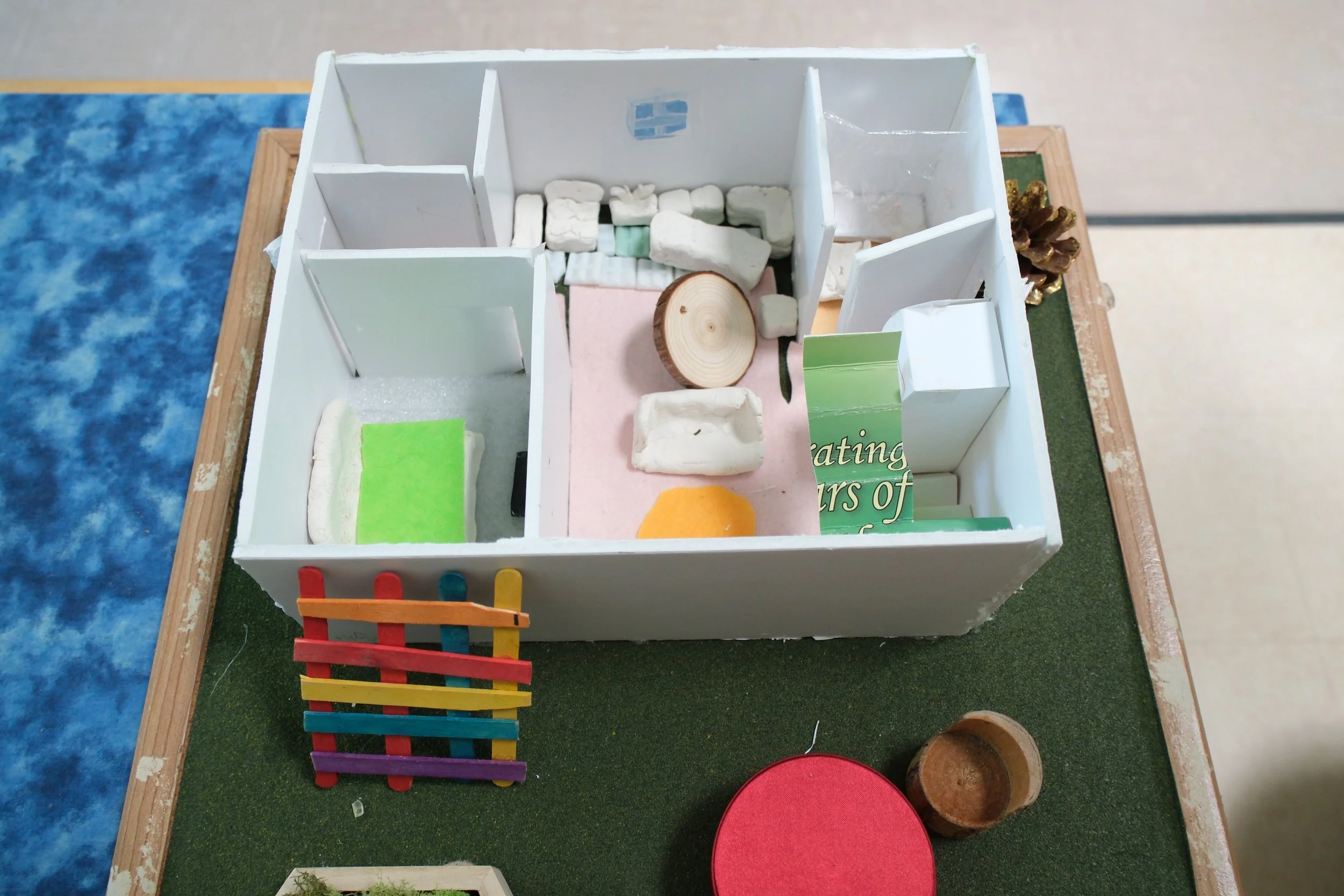
The project began with a simple act of observation: students went home with a tape measure and recorded the dimensions of the objects in their own lives — beds, couches, kitchen counters, doorways. These measurements became the raw material for something much larger: a fully realized architectural vision, scaled precisely to 1:24 and constructed by hand.
“What things do you find ‘a must-have’ in a home? What can be multi-purpose?”
From those early questions, students moved through a deliberate design process — sketching floor plan ideas, converting real-world measurements to scale, and making thoughtful decisions about what to include in a home between 250 and 750 square feet. Every square foot counted.
More than math
At its core, this was a geometry project. Students applied formulas for area and volume, worked fluently with ratios and unit conversions, and translated abstract numbers into physical space. But the learning went well beyond the curriculum standards.
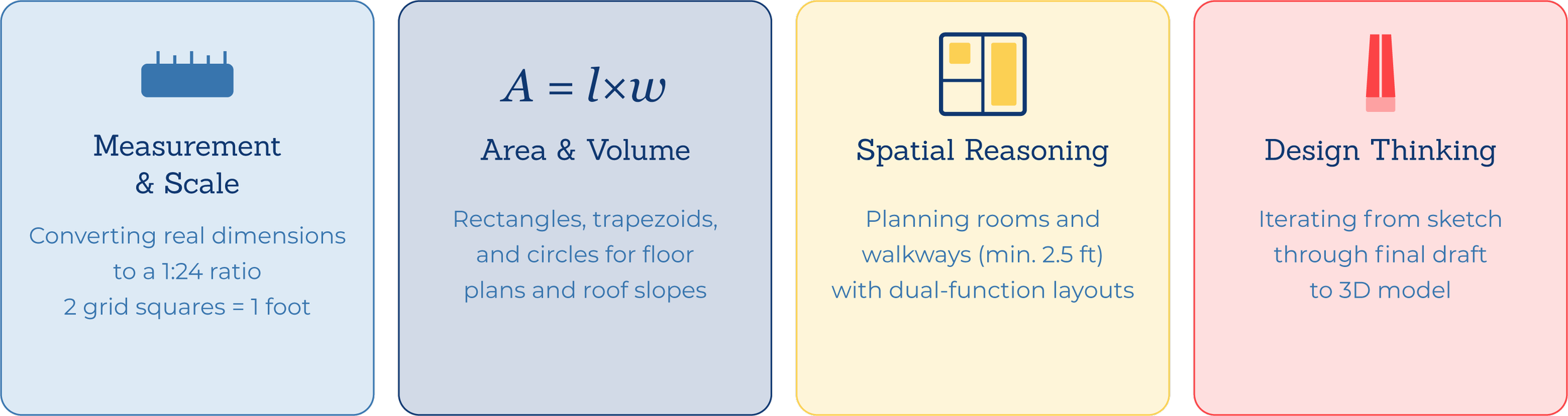
Students also grappled with the real-world appeal of tiny home living: environmental sustainability, financial simplicity, mobility, and the freedom that comes with owning less.
From floor plan to finished model
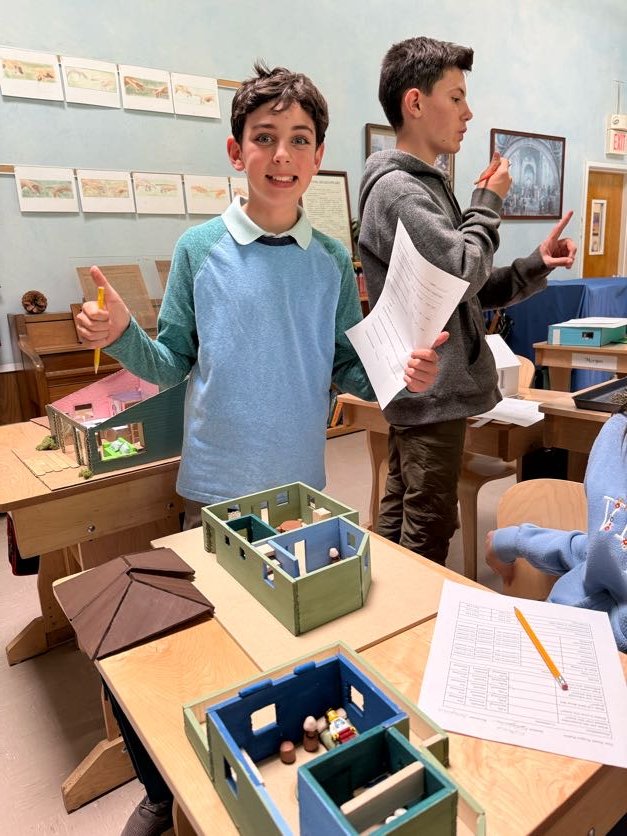
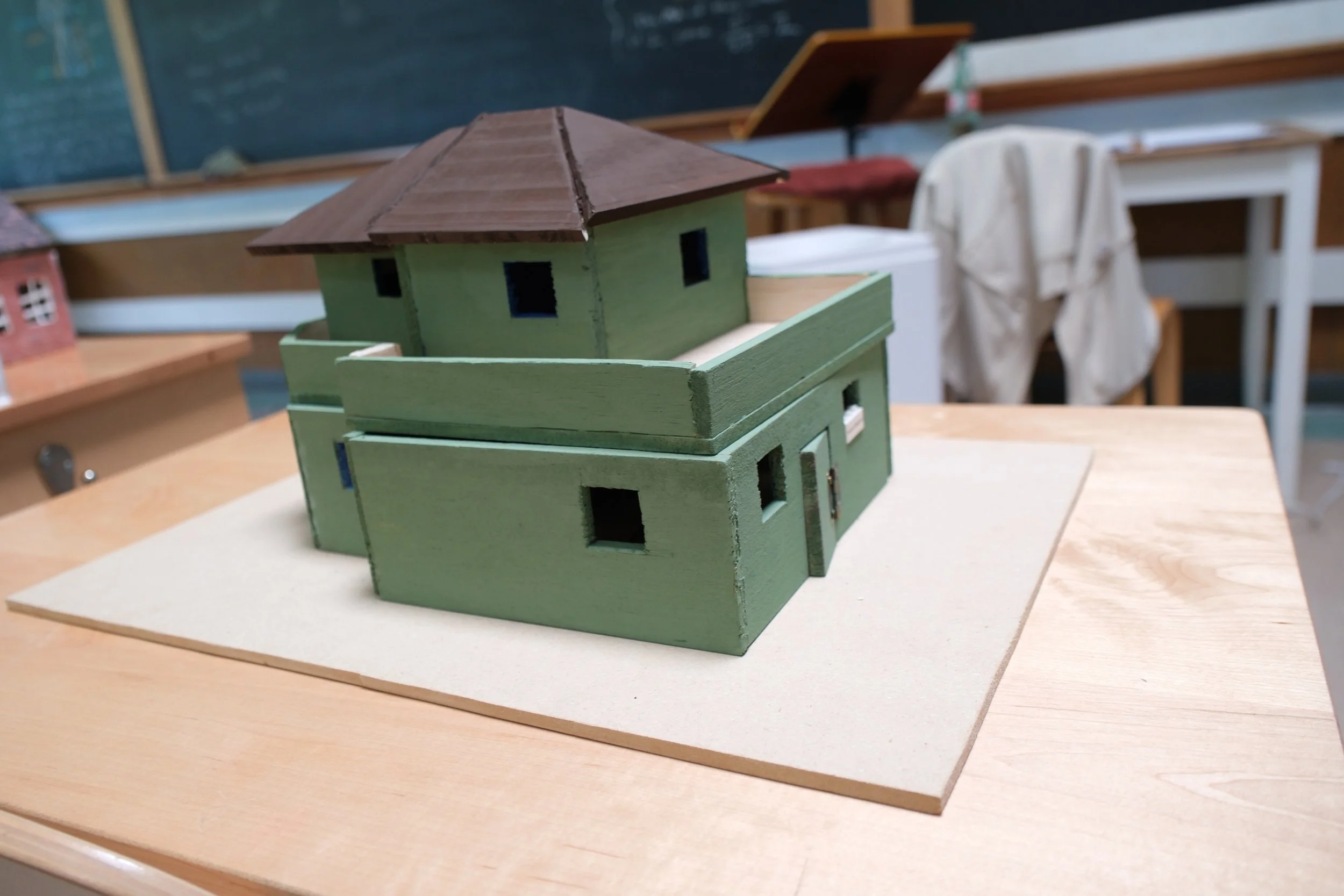
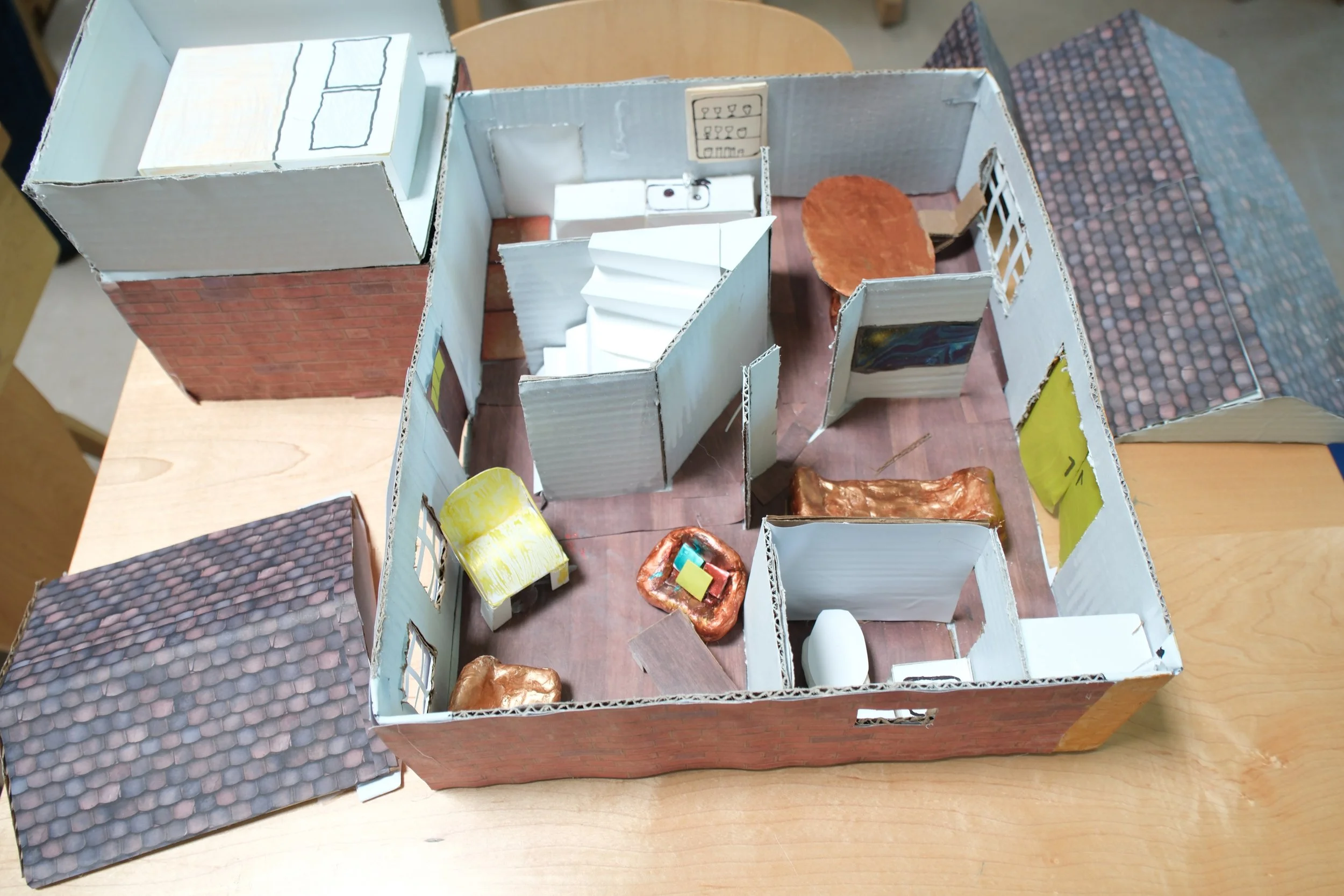
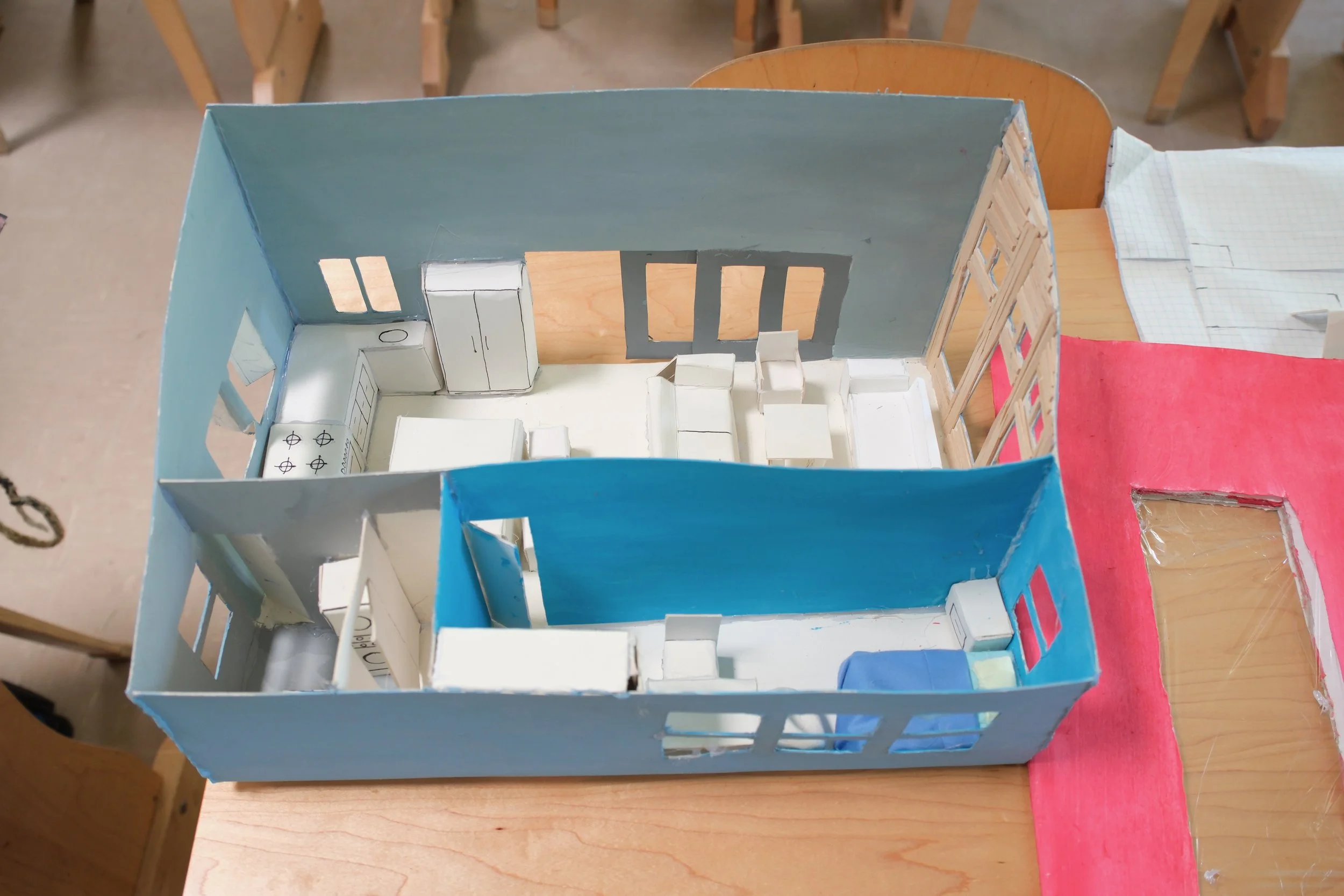
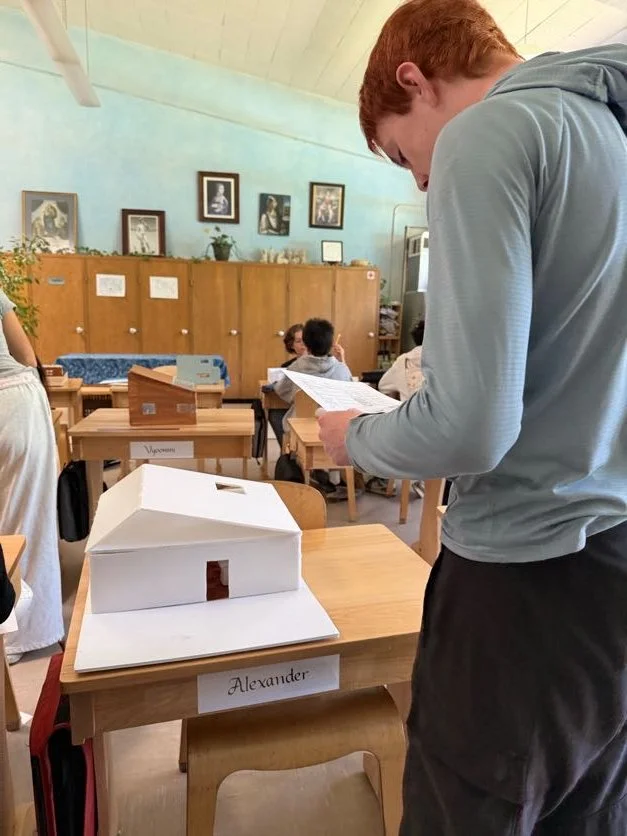
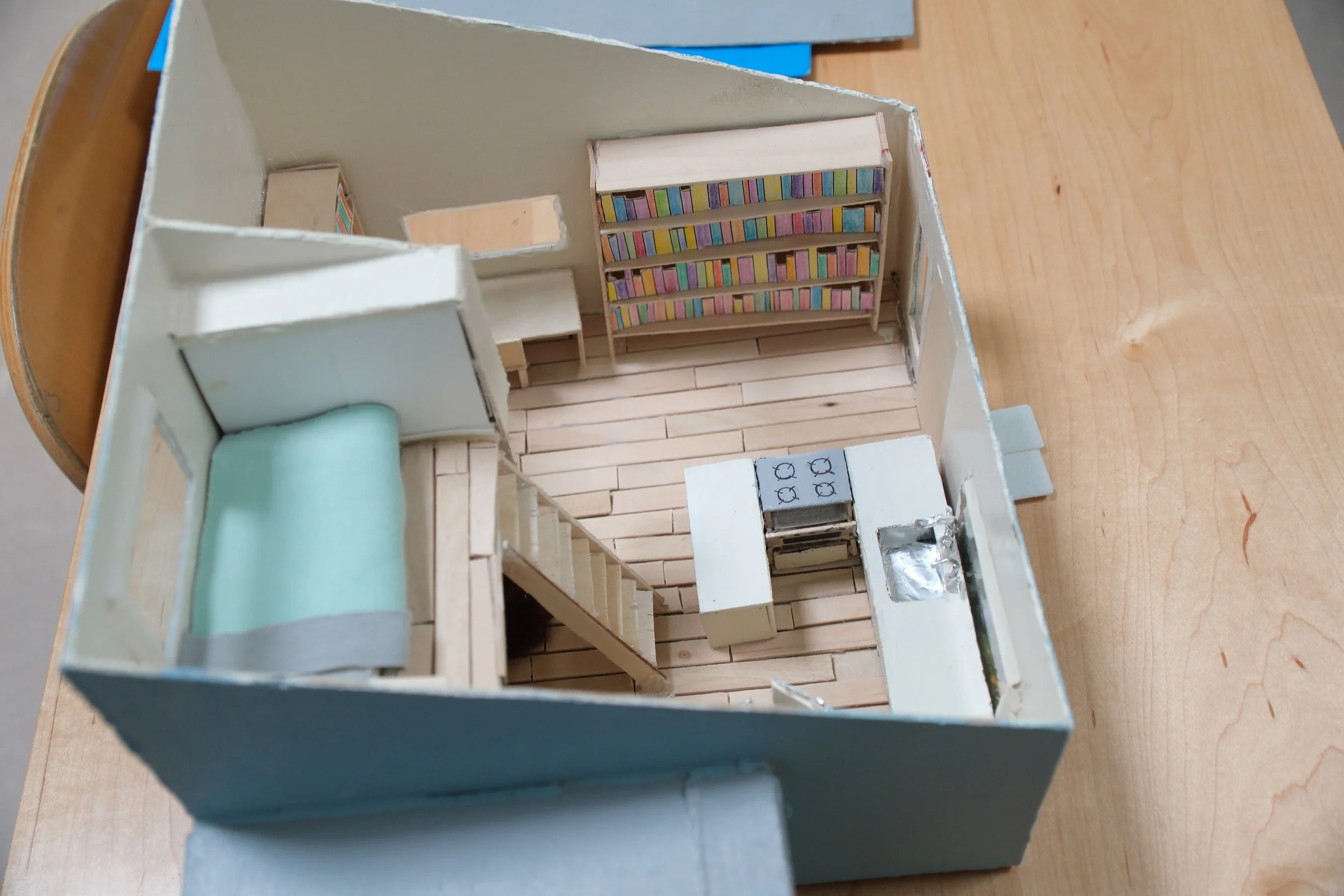
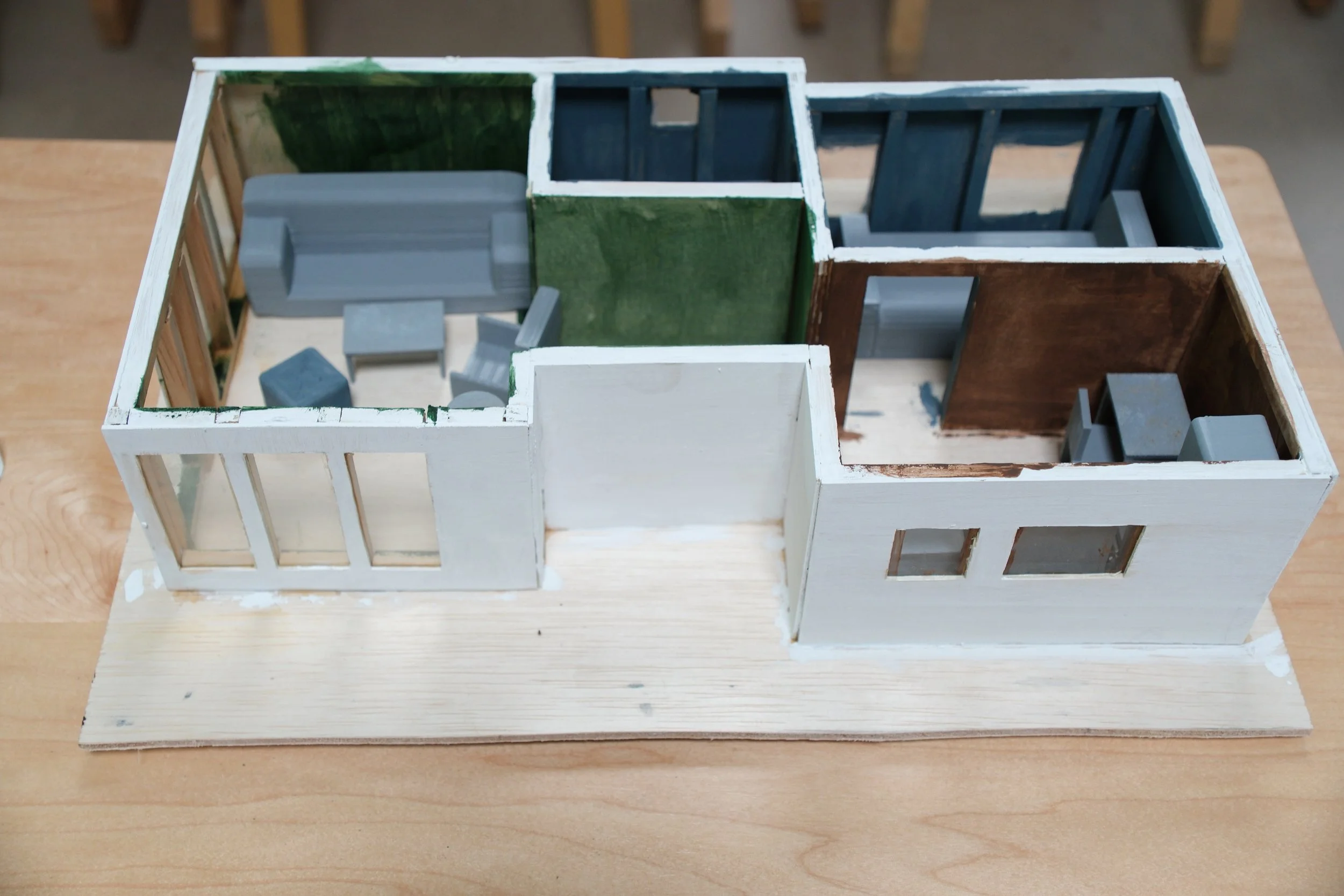
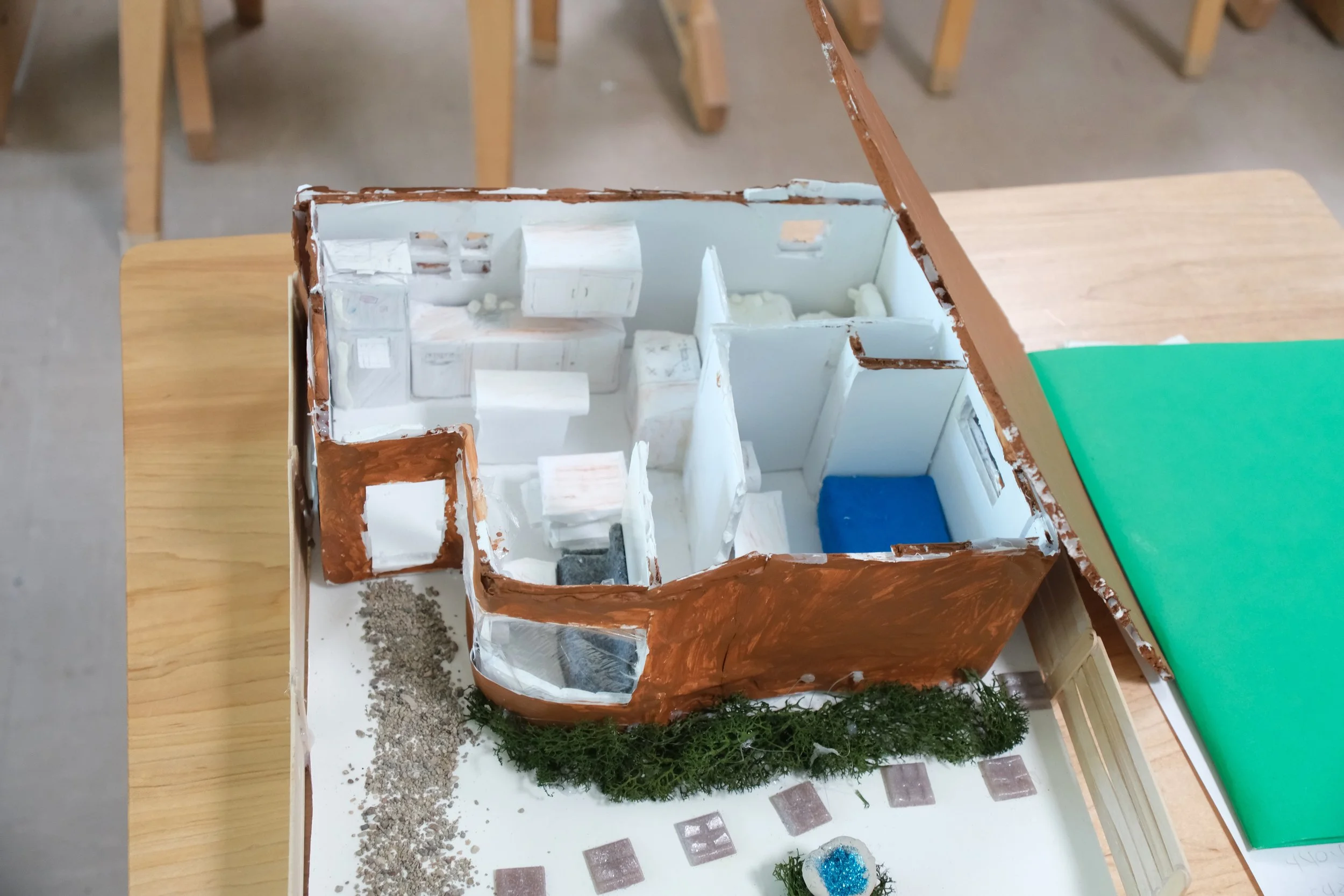
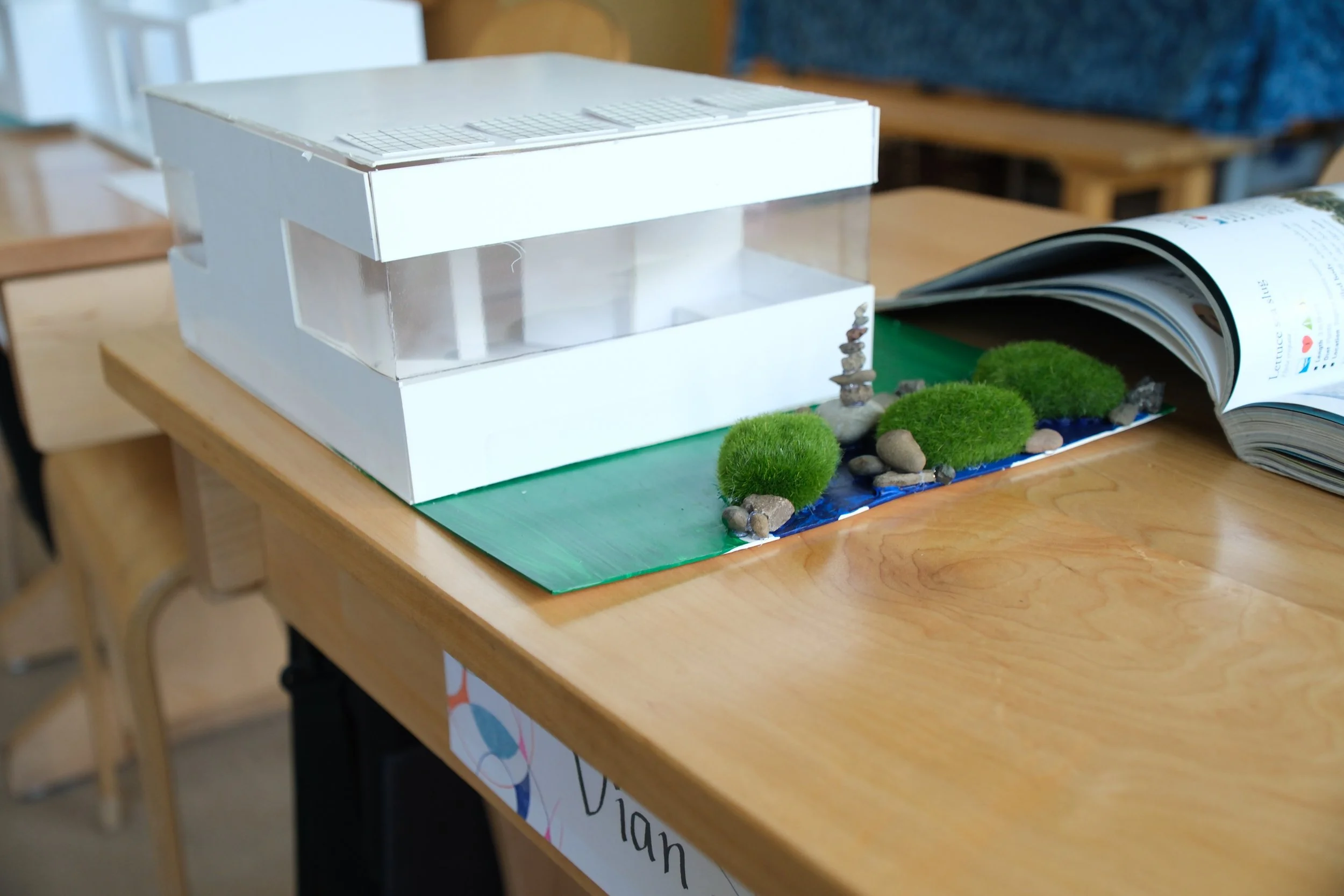
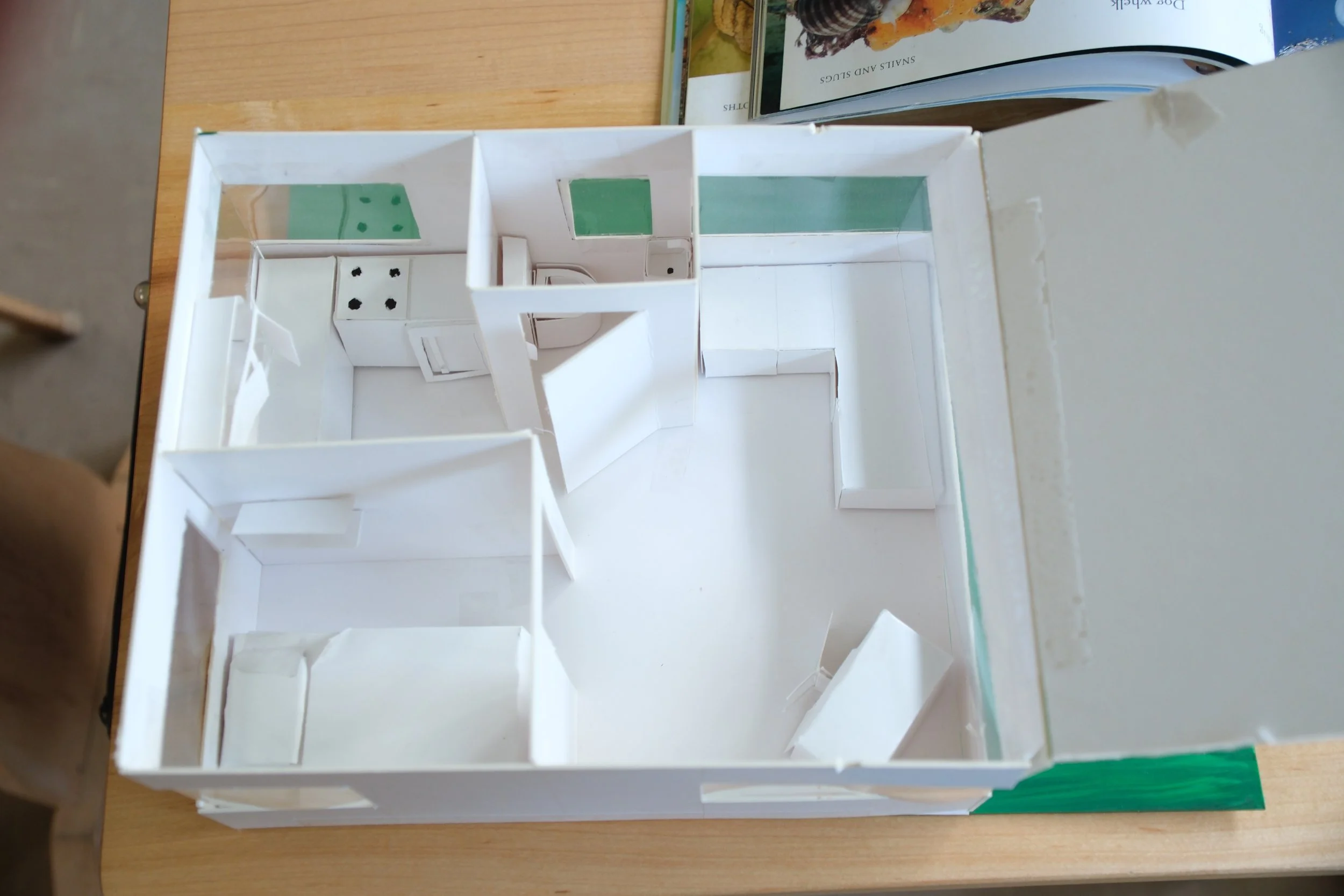
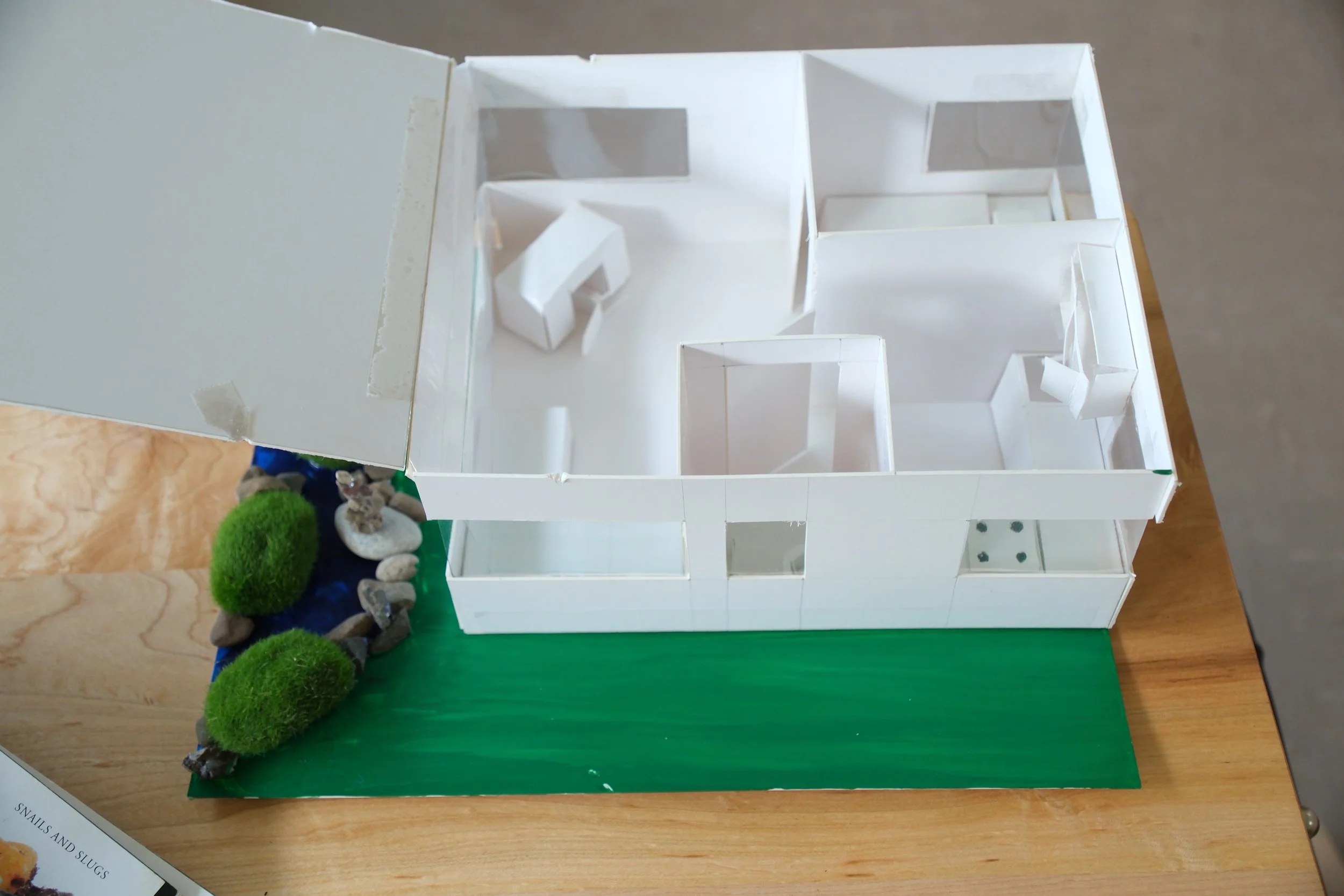
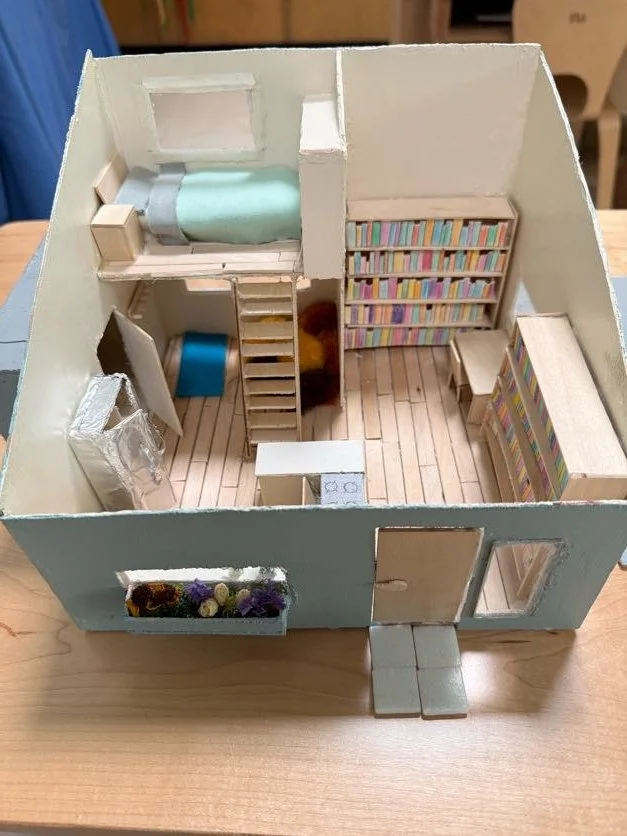
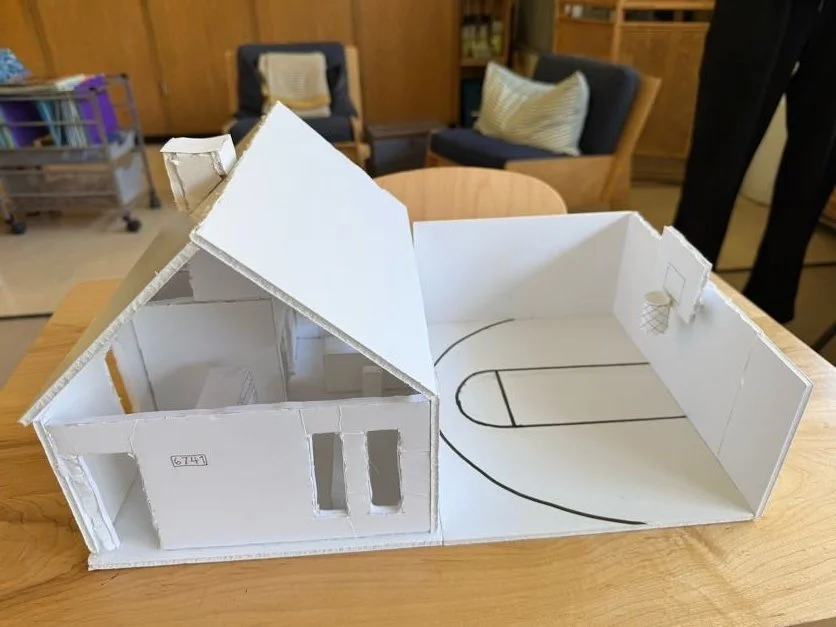
The finished homes are remarkable. Each one required a bathroom, kitchen, bedroom, and living area — but within those requirements, students had wide latitude. Some opted for lofted sleeping spaces to free up floor area below. Others designed clever fold-down tables or built-in shelving. A few imagined their home perched on a mountainside or floating at the edge of a lake, and the exterior details reflected that sense of place.
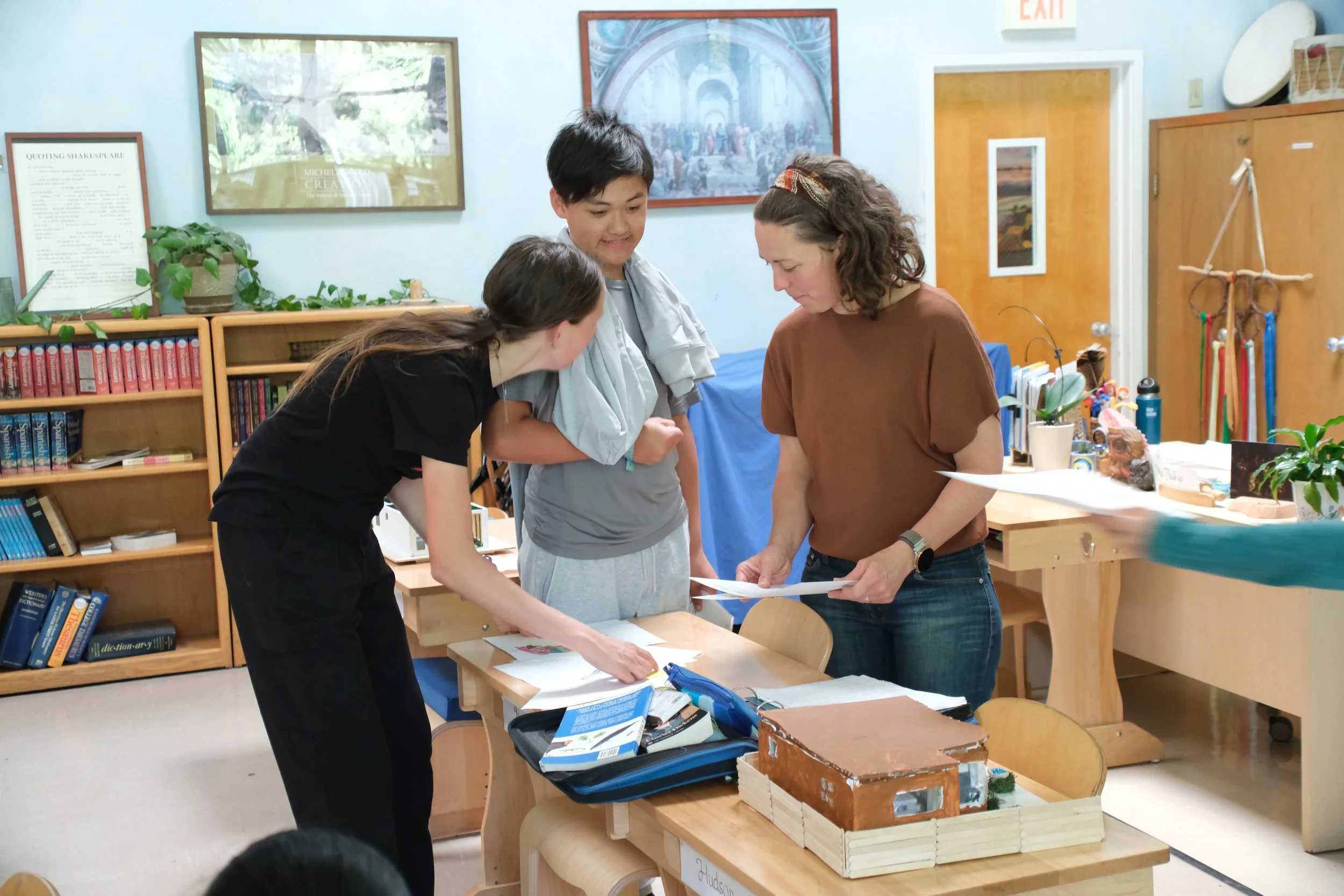
The project concluded with class presentations; each student explaining the concept behind their home, describing what they prioritized, what surprised them, and what they might do differently. It was, by all accounts, one of the most memorable mornings of the school year.
We're proud of every one of these young architects and mathematicians. Their homes are small, but the thinking inside them is anything but!
Photos by Katharina Woodman and Katie O’Toole.